
Dr Sunil Kumar
About Me
Dr Sunil Kumar
B.P.T
Physiotherapist
10 Years Experience
Biography
My Clinic
OPD Hours
| Monday | Morning | 10:00 AM | - | 02:00 PM |
| Evening | 06:00 PM | - | 09:00 PM | |
| Tuesday | Morning | 10:00 AM | - | 02:00 PM |
| Evening | 06:00 PM | - | 09:00 PM | |
| Wednesday | Morning | 10:00 AM | - | 02:00 PM |
| Evening | 06:00 PM | - | 09:00 PM | |
| Thursday | Morning | 10:00 AM | - | 02:00 PM |
| Evening | 06:00 PM | - | 09:00 PM | |
| Friday | Morning | 10:00 AM | - | 02:00 PM |
| Evening | 06:00 PM | - | 09:00 PM | |
| Saturday | Morning | 10:00 AM | - | 02:00 PM |
| Evening | 06:00 PM | - | 09:00 PM | |
| Sunday | Morning | 10:00 AM | - | 02:00 PM |
| Evening | 06:00 PM | - | 09:00 PM |
Treatments
Specialised care and treatments offered
LOWER BACK PAIN
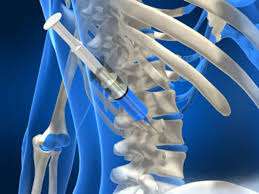
This condition affects countless individuals across various demographics; it can stem from issues like poor posture or injury-related strains negatively impacting lifestyle quality. Effective management begins by pinpointing root causes influencing discomfort levels experienced daily! {Some distinguishing characteristics:
- (Regular aching feeling felt within lumbar regions limits functional capacities if persistent!)A careful review - both objective & subjective - provides insight necessary towards diagnosis confirming whether structural damage present (X-rays/MRI).(Interventions emphasize creating personalized rehabilitation approaches involving stretches plus core-strengthening exercises help alleviate stresses placed onto lower backs.)(Aspects include utilizing heat/cold therapies alongside recommended ergonomic changes effectuated through modified workspaces making day-to-day tasks easier without compromising overall body alignment)
KNEE OSTEOARTHRITIS

Knee osteoarthritis is a degenerative joint disease that slowly wears away cartilage leading to pain, swelling, and reduced mobility over time. It's one of the most prevalent types of arthritis among older adults but can occur at any age due to injury or excess stress on joints.
- The primary symptoms include chronic joint stiffness particularly after periods of inactivity and difficulty bearing weight on affected legs.A definitive diagnosis combines medical history evaluation with clinical assessments including imaging studies such as X-rays identifying cartilage loss.Management initially focuses on lifestyle modifications including weight loss strategies coupled with exercise programs, targeting muscle strengthening around knees while reducing load on joints effectively.(Optional) In certain instances requiring immediate attention braces offer support alongside medications aimed at addressing inflammation accompany treatment plans when necessary!
SHOULDER IMPINGEMENT SYNDROME

This syndrome arises from irritation of shoulder tendons as they pass through a narrow space beneath the acromion bone. It leads to significant discomfort during overhead movements, affecting daily activities.
- Pain typically occurs when raising your arm above shoulder height or reaching behind your back, often accompanied by stiffness.
- A detailed examination assesses range of motion limitations and might involve imaging studies like ultrasound or MRI for confirmation.
- Treatment strategies include physical therapy, which emphasizes strengthening surrounding muscles while enhancing flexibility in stiff areas;
- Corticosteroid injections may also relieve inflammation if therapy alone doesn't suffice, allowing for improved movement patterns over time.
An effective recovery plan can drastically improve function and relieve symptoms associated with this condition over several weeks of active participation in rehabilitation sessions.
TENNIS ELBOW (LATERAL EPICONDYLITIS)

Tennis elbow is characterized by pain on the outer part of the elbow due to overuse of forearm muscles. Though commonly associated with tennis players, it can affect anyone engaged in repetitive arm motions.
- Pain is typically localized around the elbow joint but can radiate down the forearm into the wrist.
- A comprehensive assessment usually reveals tenderness during physical examination and functional limitations when gripping objects.
- The initial approach focuses on resting the affected arm along with applying ice for swelling reduction. Physical therapy plays a crucial role in rehabilitation as well.
- Patients may benefit from bracing techniques that provide extra support during recovery while minimizing strain on tendons.
- With consistent treatment adherence, most individuals regain full function within weeks to months of starting their recovery program.
Tennis elbow is manageable; early intervention significantly influences healing times and outcomes positively.
PLANTAR FASCIITIS

This common foot condition results from inflammation of the plantar fascia, which connects the heel bone to the toes. It often causes sharp heel pain, especially noticeable with first steps in the morning.
- The primary symptom is a stabbing pain near the heel that usually worsens after prolonged rest or activity.
- A thorough evaluation includes physical assessments to check for tenderness and tightness in the foot muscles.
- Treatment typically starts with stretching exercises, orthotics for better foot support, and ice applications to reduce swelling.
- Corticosteroid injections may also be utilized if conservative measures do not alleviate discomfort.
- Most patients report significant improvements within several weeks after following prescribed therapies diligently.
Understanding this condition can help manage it effectively and prevent further complications down the line.
CERVICAL RADICULOPATHY

Cervical radiculopathy occurs when a nerve in the neck is compressed or irritated. This condition can lead to pain that radiates down the arm, numbness, and muscle weakness.
- Symptoms often include neck pain, tingling sensations in the arm, and difficulty moving the shoulder or arm.
- Diagnosis typically involves a thorough physical examination and may include imaging tests like MRI or CT scans to identify nerve compression.
- Treatment options generally focus on physical therapy, medication for pain relief, and sometimes injections to reduce inflammation.
- Patients are encouraged to perform specific exercises aimed at improving strength and flexibility in the neck region.
- Most people experience improvement within a few weeks to months with appropriate management.
With effective treatment, many individuals find significant relief from symptoms and are able to return to their regular activities.