
Dr Sunil Arora
About Me
Dr Sunil Arora
M.Ch
General Physician
Biography
My Clinic
OPD Hours
| Monday | Morning | 10:00 AM | - | 02:00 PM |
| Evening | 06:00 PM | - | 09:00 PM | |
| Tuesday | Morning | 10:00 AM | - | 02:00 PM |
| Evening | 06:00 PM | - | 09:00 PM | |
| Wednesday | Morning | 10:00 AM | - | 02:00 PM |
| Evening | 06:00 PM | - | 09:00 PM | |
| Thursday | Morning | 10:00 AM | - | 02:00 PM |
| Evening | 06:00 PM | - | 09:00 PM | |
| Friday | Morning | 10:00 AM | - | 02:00 PM |
| Evening | 06:00 PM | - | 09:00 PM | |
| Saturday | Morning | 10:00 AM | - | 02:00 PM |
| Evening | 06:00 PM | - | 09:00 PM | |
| Sunday | Morning | 10:00 AM | - | 02:00 PM |
| Evening | 06:00 PM | - | 09:00 PM |
Treatments
Specialised care and treatments offered
GASTROESOPHAGEAL REFLUX DISEASE (GERD)

Gastroesophageal reflux disease (GERD) occurs when stomach acid frequently flows back into the esophagus. This backflow irritates the lining leading to uncomfortable symptoms that require careful management for quality life improvements.
- Typical symptoms include heartburn after eating, regurgitation of food or sour liquid along with trouble swallowing.
- Diagnosis usually involves trying over-the-counter medications first but may progress toward endoscopy if severe cases occur.
- Treatment encompasses lifestyle changes such as weight loss alongside medications like proton pump inhibitors aimed at reducing acid production.
- Expect periodic evaluations from your doctor post-treatment initiation allowing adaptations based on response levels demonstrated over time!
Successfully managing GERD requires patience but ultimately contributes greatly towards enhanced daily comfort levels during activities involving food consumption!
ASTHMA MANAGEMENT

Asthma is a chronic respiratory condition marked by inflammation of the airways that can lead to difficulty breathing. Understanding asthma triggers is fundamental in managing the condition effectively over time.
- Common triggers include allergens (like pollen), pollution, tobacco smoke, respiratory infections, or vigorous exercise.
- A thorough history along with pulmonary function tests aids in diagnosing asthma officially during assessments.
- Treatment options often consist of inhalers (bronchodilators), corticosteroids to reduce inflammation, alongside avoiding known triggers whenever possible.
Your ability to manage asthma effectively will likely enhance breathing stability while minimizing flare-ups—regular consultations ensure ongoing support tailored towards individual needs!
ANEMIA TREATMENT

Anemia is a condition characterized by a deficiency in red blood cells or hemoglobin in the blood. This leads to reduced oxygen transport throughout the body, potentially causing fatigue and weakness among other symptoms.
- Main causes include iron deficiency, vitamin B12 deficiency, chronic diseases, or genetic conditions such as sickle cell anemia.
- The diagnosis generally involves complete blood count (CBC) tests along with additional studies depending on suspected causes.
- Treatment strategies focus on addressing the underlying cause; this could mean dietary adjustments rich in iron or supplements in cases of deficiency.
- You can typically expect an improvement in energy levels within weeks following appropriate treatment interventions focused on restoring healthy hemoglobin levels.
Caring for anemia is key to enhancing quality of life through proper nutrition and medical supervision when needed.
PREVENTIVE HEALTH CHECK-UPS
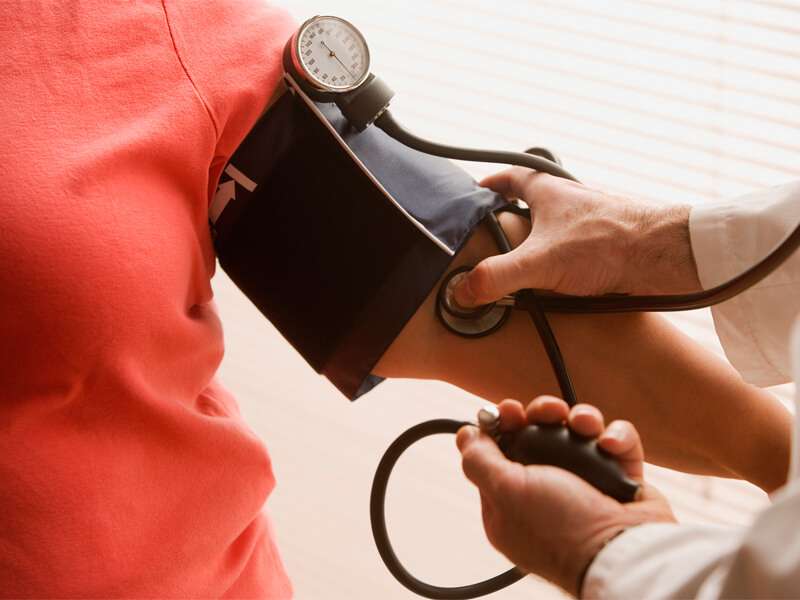
Preventive health check-ups play a significant role in identifying potential health issues before they become serious concerns. Regular visits allow for tailored advice specific to your health needs based on risk factors.
- Symptoms of underlying conditions may vary; hence routine screenings can help identify issues you might not yet feel.
- A comprehensive physical examination along with lab tests like cholesterol levels and glucose will be part of the diagnosis process.
- Managing findings could involve lifestyle modifications as well as vaccinations or medications when indicated by test results.
- You should expect guidance depending on the results—working with your doctor ensures a clearer understanding of your overall health status.
Prioritizing preventive check-ups is essential for maintaining good health throughout your life journey.
DIABETES SCREENING

Early detection of diabetes is crucial for effective management and preventing complications. Regular screening allows for prompt interventions that can mitigate the risks associated with this chronic disease.
- The primary symptoms of diabetes include excessive thirst, frequent urination, extreme fatigue, and blurred vision.
- Screening involves simple blood tests which measure glucose levels fasting or postprandial (after meals).
- If diagnosed, management may include dietary changes, increased physical activity, regular blood sugar monitoring, and insulin or oral medications if necessary.
- Patients should expect to work closely with their healthcare provider to create a personalized management plan that suits their lifestyle.
Proactive screening for diabetes is an effective way to maintain overall health and prevent long-term complications.
HYPERTENSION MANAGEMENT

Hypertension, or high blood pressure, is a common condition that can lead to serious health issues if left untreated. It often presents with no symptoms, making regular monitoring vital for early detection and management.
- Common symptoms include headaches, shortness of breath, and nosebleeds, although many individuals may experience none at all.
- Diagnosis typically involves measuring blood pressure using a sphygmomanometer during routine check-ups.
- Treatment options may include lifestyle changes such as diet modification and exercise, along with medications like diuretics or ACE inhibitors.
- Regular follow-ups are essential to monitor efficacy and adjust treatment as necessary.
- Patients can expect improved health outcomes through adherence to prescribed therapies and lifestyle adjustments.
Management of hypertension requires a comprehensive approach that focuses on both medication and lifestyle choices to promote better cardiovascular health.