
Dr Sumit Agarwal
About Me
Dr Sumit Agarwal
MS
Orthopaedic Surgeons
10 Years Experience
Biography
My Clinic
OPD Hours
| Monday | Morning | 10:00 AM | - | 02:00 PM |
| Evening | 06:00 PM | - | 09:00 PM | |
| Tuesday | Morning | 10:00 AM | - | 02:00 PM |
| Evening | 06:00 PM | - | 09:00 PM | |
| Wednesday | Morning | 10:00 AM | - | 02:00 PM |
| Evening | 06:00 PM | - | 09:00 PM | |
| Thursday | Morning | 10:00 AM | - | 02:00 PM |
| Evening | 06:00 PM | - | 09:00 PM | |
| Friday | Morning | 10:00 AM | - | 02:00 PM |
| Evening | 06:00 PM | - | 09:00 PM | |
| Saturday | Morning | 10:00 AM | - | 02:00 PM |
| Evening | 06:00 PM | - | 09:00 PM | |
| Sunday | Morning | 10:00 AM | - | 02:00 PM |
| Evening | 06:00 PM | - | 09:00 PM |
Treatments
Specialised care and treatments offered
STEM CELL THERAPY
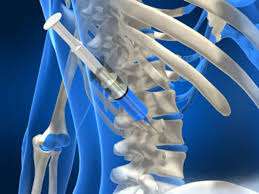
This innovative treatment seeks to harness regenerative medicine principles by employing stem cells sourced either from adipose tissue or bone marrow. Stem cell therapy aims at rejuvenating injured tissues particularly within orthopedic contexts through promoting natural cellular repair mechanisms directly 'at play.'
- Conditions treatable via this modality include arthritis—especially osteoarthritis—as well injuries involving soft tissues like ligaments,.
- A comprehensive assessment preceded by relevant diagnostic modalities helps dictate suitability across diverse profiles given varying complexities surrounding individual presentations.;
- Therapeutic regimens typically require several sessions where harvested samples undergo preprocessing prior being administered locally into targeted regions suffering impairments.;
- Expected outcomes often vary among recipients but many report reductions concerning overall symptom burden over longer horizons leading towards enhanced functionality& wellbeing post-interventions.;
- Risks associated remain generally low however potential adverse responses still necessitate vigilant monitoring throughout course undertaken afterwards.;
This groundbreaking approach holds enormous promise especially among those resistant conventional therapies previously found less efficacious relating systemic concerns dominating their journeys towards reclaiming quality living habits once again.'
OSTEOCHONDRAL AUTOGRAFT TRANSPLANTATION
This specialized procedure deals with repairing damaged cartilage in joints — particularly useful for athletes or active individuals. Osteochondral autograft transplantation involves harvesting cartilage from another part of the patient's body and transplanting it into the affected area where cartilage has been lost due to injury or disease.
- Common symptoms include localized joint pain along with swelling during activity; these manifestations lead individuals toward seeking care..Diagnosing these conditions typically relies on imaging techniques such as X-rays alongside physical evaluations that highlight areas of concern.< |finish snippet| />< |additional bullet| >Treatment may provide long-term relief when compared against traditional approaches that focus solely on managing symptoms rather than directing efforts towards restoration.< /additional bullet| >
- = This approach is especially promising because it uses patient's own tissue which reduces risk of rejection; moreover< |additional bullet| >the anticipated improvement spans both mobility-enhancements & reductions in chronic discomfort post-intervention.< |/additional bullet| >
The outcome fosters renewed activity levels among those affected by debilitating joint issues without relying heavily on synthetic materials initially utilized.
MINIMALLY INVASIVE SPINE SURGERY

Minimally invasive spine surgery (MISS) encompasses various techniques that reduce muscle damage while treating spinal disorders. This approach allows surgeons to perform complex procedures through small incisions using specialized instruments and technology for enhanced precision.
- Patients may present symptoms such as persistent back pain, leg pain, or numbness due to herniated discs or other spinal issues.
- A comprehensive diagnostic workup usually includes imaging methods like CT scans or MRIs to assess spinal health before proceeding with surgery.
- Treatment options might range from discectomy to spinal fusion depending on individual circumstances but all aim for maximum efficacy with minimal recovery time needed.
- The goal is not only effective correction but also maintaining stability while minimizing postoperative discomfort;
JOINT INJECTIONS

Joint injections are common procedures used to alleviate pain associated with various musculoskeletal conditions. These injections may contain corticosteroids or hyaluronic acid, aimed at reducing inflammation or providing lubrication in arthritic joints.
- Pain in joints such as knees or shoulders is a typical symptom prompting this intervention.
- A thorough evaluation including medical history and physical examination aids in diagnosing the underlying issue that warrants an injection.
- Treatment typically provides quick relief from inflammation or pain for several weeks or months at a time.
- The procedure requires minimal downtime; many patients resume normal activities shortly after injection.
- While side effects are rare, some may experience temporary soreness post-injection at the site.
This method can be particularly effective for patients seeking immediate relief without resorting to more invasive surgical interventions.
PLATELET-RICH PLASMA (PRP) THERAPY

Platelet-Rich Plasma (PRP) therapy leverages the body’s own healing mechanisms to treat various musculoskeletal injuries. This innovative treatment utilizes concentrated platelets derived from your blood, which can promote healing in damaged tissues.
- This therapy is often indicated for conditions like tendonitis, ligament injuries, and osteoarthritis.
- A diagnosis typically involves physical assessments combined with imaging studies to evaluate the injury's severity.
- The treatment involves drawing a small amount of blood, processing it to concentrate the platelets, and injecting the solution into the injured area.
- Patients can generally expect gradual improvement in pain and function over several weeks following treatment.
- No general anesthesia is required, making it a safer option with fewer risks than more invasive procedures.
This advanced technique has transformed how certain orthopedic conditions are approached today, focusing on natural healing processes.
ARTHROSCOPY

Arthroscopy is a minimally invasive surgical procedure used to diagnose and treat joint issues. It involves small incisions and the use of a camera to visualize the joint from inside, allowing surgeons to address a variety of orthopedic conditions with minimal tissue damage.
- Symptoms can include joint pain, swelling, and limited range of motion.
- Diagnosis is typically made using physical examinations and imaging tests such as MRI or X-rays.
- Treatment options may involve cleaning out loose cartilage, repairing torn ligaments, or removing inflamed tissue.
- The procedure often leads to quicker recovery times compared to traditional surgery.
- Post-surgery, patients can expect some swelling and discomfort but are usually back on their feet within days.
This technique enhances recovery speed and minimizes hospital stays for patients experiencing joint-related problems.