
Dr Sumeet Seth Surgical Clinic
About Me
Dr Sumeet Seth Surgical Clinic
MS
Cardiothorocic Surgeon
10 Years Experience
Biography
My Clinic
OPD Hours
| Monday | Morning | 10:00 AM | - | 02:00 PM |
| Evening | 06:00 PM | - | 09:00 PM | |
| Tuesday | Morning | 10:00 AM | - | 02:00 PM |
| Evening | 06:00 PM | - | 09:00 PM | |
| Wednesday | Morning | 10:00 AM | - | 02:00 PM |
| Evening | 06:00 PM | - | 09:00 PM | |
| Thursday | Morning | 10:00 AM | - | 02:00 PM |
| Evening | 06:00 PM | - | 09:00 PM | |
| Friday | Morning | 10:00 AM | - | 02:00 PM |
| Evening | 06:00 PM | - | 09:00 PM | |
| Saturday | Morning | 10:00 AM | - | 02:00 PM |
| Evening | 06:00 PM | - | 09:00 PM | |
| Sunday | Morning | 10:00 AM | - | 02:00 PM |
| Evening | 06:00 PM | - | 09:00 PM |
Treatments
Specialised care and treatments offered
STEREOTACTIC BODY RADIOTHERAPY (SBRT) FOR LUNG TUMORS
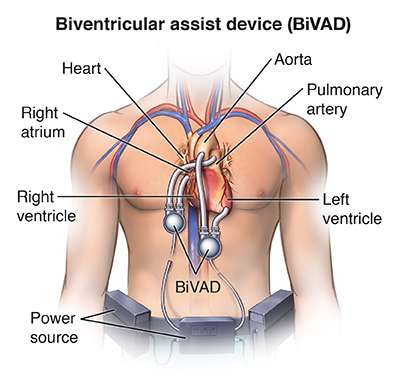
Stereotactic Body Radiotherapy (SBRT) is an innovative treatment option used primarily for small lung tumors that cannot be surgically removed. This highly focused radiation therapy delivers precise doses targeting tumor cells while sparing surrounding healthy tissue
.- Tumor Identification: Early-stage lung cancers might manifest as unusual coughing patterns coupled alongside unexplained weight loss warranting further investigation systematically undertaken thereafter!
- Diagnostic Techniques employed here involve advanced imaging technologies such as PET/CT scans combined with biopsies leading towards accurate classifications later proving critical choices ahead regarding available options thereafter!
- Treatment Protocols established firmly adhere mainly adhering closely ensuring appropriate dosages administered accordingly depending largely based upon factors unique specifically tailored appropriately regulating effectiveness showcasing best results conceivable overall achieved possible afterward too consistently witnessed afterwards notably across different populations reaching out widely even outside conventional standards previously maintained routinely throughout examining diverse variations presented before finally concluding successfully!
The proficiency achieved within offering services emphasizing quality over quantity ultimately inspires confidence amongst individuals seeking these specialized forms available nowadays highlighting advancements made recently standing testament reflecting excellence pursued endlessly striving continuously amid progressively changing landscapes increasingly encountered bringing forth hope renewed actually succeeding greatly assisting many patients' paths forward entirely transforming lives one session at time achieved!
ENDOVASCULAR ANEURYSM REPAIR (EVAR)
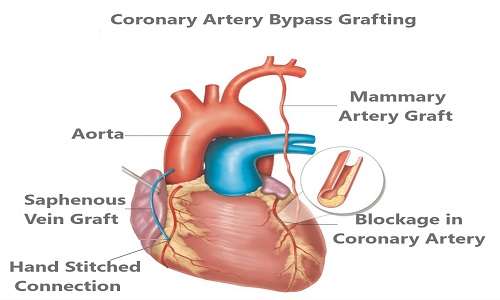
The endovascular aneurysm repair technique focuses on treating abdominal aortic aneurysms through small incisions instead of open surgery. This approach enhances patient safety and speeds up recovery times significantly by allowing precise placements of stents within the blood vessels themselves
.- Aneurysm Risk Factors: High blood pressure, smoking habits, and family history are notable contributors leading to aneurysm development that requires attention when discovered.
- Diagnostic Measures: Imaging tests such as ultrasound or CT scans are essential tools used by healthcare professionals when identifying an aneurysm's presence before deciding upon treatment choices available today.
- Therapeutic Options: EVAR utilizes specially designed grafts deployed strategically which reinforce weak areas thereby preventing rupture risk while managing associated risks efficiently overall during caregiving scenarios applicable later on if necessary .
- Recovery Overview: Most individuals experience minimal discomfort postoperatively given its less invasive nature yet each case varies based upon individual circumstances encountered throughout their journey beforehand - regular checkups form part of ongoing monitoring processes going forward too!
Moving toward non-invasive techniques remains essential considering effective management strategies coupled alongside satisfactory outcomes attained frequently resulting positively towards future patient experiences overall under ideal settings taking place along these lines continually being pursued now more regularly than ever before!
MINIMALLY INVASIVE MITRAL VALVE REPAIR
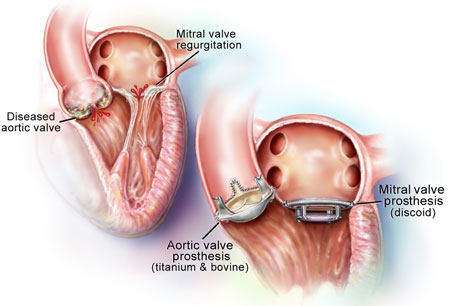
This advanced surgical procedure aims to correct mitral valve regurgitation by repairing rather than replacing the valve through small incisions. This approach minimizes trauma while addressing the condition effectively
.- The Condition Explained: Symptoms often include palpitations or shortness of breath stemming from improper blood flow due to faulty valves.
- Pivotal Testing: Echocardiograms play a crucial role in diagnosing mitral valve dysfunction prior to any surgical intervention.
- Surgical Techniques:This repair method typically utilizes robotic assistance which enhances accuracy while reducing recovery time significantly compared with traditional methods.
- Post-Surgery Expectations: Most patients notice substantial improvements in their quality of life soon after the operation occurs.
The benefits of this procedure extend beyond simply fixing the valve— they include quicker recoveries with lower complication rates compared to standard surgeries.
VIDEO-ASSISTED THORACOSCOPIC SURGERY (VATS)
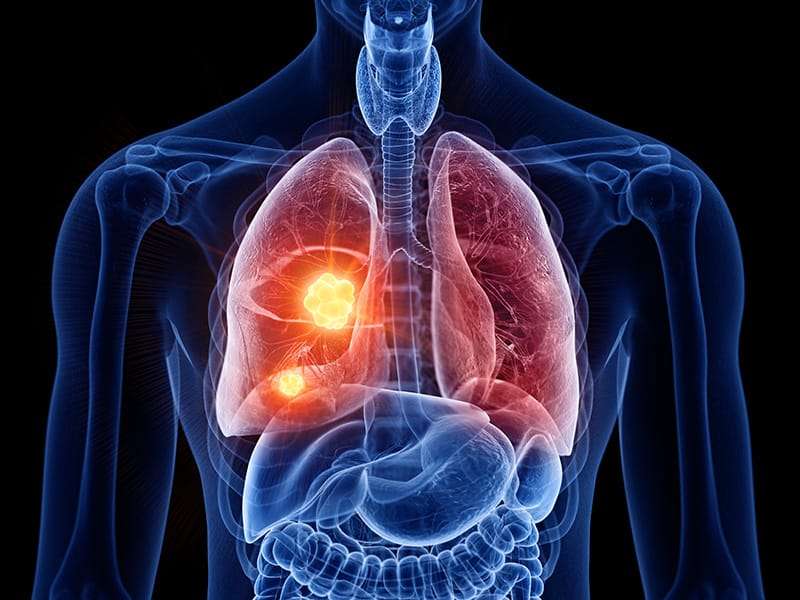
This minimally invasive surgical technique is utilized for various thoracic procedures including lung biopsies and resection of tumors. VATS employs small incisions and sophisticated camera technology enabling surgeons to operate with precision while minimizing damage to surrounding tissues.
- Indications for VATS: Conditions like lung cancer or pleural effusion are commonly addressed using this method.
- Disease Detection: CT scans or MRI may help reveal abnormalities requiring intervention through VATS.
- Surgical Management: Procedures performed via VATS generally involve minimal discomfort compared to traditional open surgery and often result in faster recovery times.
- Postoperative Care: Patients usually experience less pain and shorter hospital stays compared to open thoracotomy approaches.
The integration of technology into thoracic surgeries like VATS has significantly enhanced safety and recovery metrics for patients seeking treatment for lung conditions.
TRANSCATHETER AORTIC VALVE REPLACEMENT (TAVR)
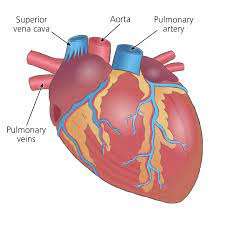
TAVR is an innovative procedure for replacing a diseased aortic valve without open-heart surgery. Suitable for patients with severe aortic stenosis, this method offers significant benefits including shorter recovery times and reduced hospital stays.
- Understanding Aortic Stenosis: Symptoms can include fatigue, dizziness, or chest pain during exertion as the valve narrows.
- Diagnostic Approach: Doctors typically use echocardiograms and cardiac catheterization for accurate assessment.
- Treatment Overview: TAVR involves inserting a new valve via a catheter, often through the femoral artery; traditional surgery may be considered if necessary.
- Recovery Insights: Many patients feel improvement shortly after the procedure and can usually return home within a day or two.
This technique represents advancements in cardiac care that aim for better patient outcomes with less invasive measures.
CORONARY ANGIOPLASTY
Coronary angioplasty is a minimally invasive procedure used to treat narrowed or blocked coronary arteries. This condition can lead to serious heart issues, such as angina or heart attacks. By widening the artery, blood flow is improved, reducing symptoms and enhancing heart function.
- Symptoms and Causes: Patients may experience chest pain, shortness of breath, or fatigue due to reduced blood flow.
- Diagnosis: The condition is often diagnosed through coronary angiography or stress tests.
- Treatment Options: Aside from angioplasty, medications may be prescribed to manage symptoms and prevent further blockages.
- What to Expect: Post-procedure, most patients can resume normal activities within a few days but should adhere to follow-up care.
This approach not only alleviates symptoms but also addresses the underlying vascular issues effectively.