
Dr Sufyan Ather
About Me
Dr Sufyan Ather
MBBS
General Physician
10 Years Experience
Biography
My Clinic
OPD Hours
| Monday | Morning | 10:00 AM | - | 02:00 PM |
| Evening | 06:00 PM | - | 09:00 PM | |
| Tuesday | Morning | 10:00 AM | - | 02:00 PM |
| Evening | 06:00 PM | - | 09:00 PM | |
| Wednesday | Morning | 10:00 AM | - | 02:00 PM |
| Evening | 06:00 PM | - | 09:00 PM | |
| Thursday | Morning | 10:00 AM | - | 02:00 PM |
| Evening | 06:00 PM | - | 09:00 PM | |
| Friday | Morning | 10:00 AM | - | 02:00 PM |
| Evening | 06:00 PM | - | 09:00 PM | |
| Saturday | Morning | 10:00 AM | - | 02:00 PM |
| Evening | 06:00 PM | - | 09:00 PM | |
| Sunday | Morning | 10:00 AM | - | 02:00 PM |
| Evening | 06:00 PM | - | 09:00 PM |
Treatments
Specialised care and treatments offered
STRESS & ANXIETY MANAGEMENT IN PRIMARY CARE
Mental wellbeing is an important aspect frequently addressed during routine healthcare visits. Managing stress and anxiety contributes greatly to overall health stability.
MANAGEMENT OF DYSLIPIDEMIA

Dyslipidemia refers to abnormal lipid levels in the bloodstream which heighten cardiovascular disease risk. Proper handling can significantly lower this threat.
- Main Features & Origins: Elevated LDL cholesterol or triglycerides caused by diet high in saturated fats, sedentary lifestyle, genetic factors;
- Mediating Diagnosis Tools: Blood lipid panels measuring total cholesterol levels identify abnormalities;
- {@Treatment Pathways:}
OBESITY COUNSELING & WEIGHT MANAGEMENT

The struggle with excess weight affects many aspects of health. A structured plan helps individuals achieve safer weights sustainably through lifestyle changes rather than rapid fixes.
- Description & Causes: Excess body fat results from caloric imbalance combined with genetic predispositions and environmental factors.
- Efficacy Assessment: Body mass index (BMI), waist circumference measurements provide baseline markers for risk assessment.
- Treatment Options: Emphasis on dietary modification including portion control, increased physical activity tailored individually, behavioral therapy support;
- Lifestyle Integration & Expectations: Progress may be gradual but steady weight loss improves metabolic parameters substantially reducing disease risk profiles;
A patient-centered approach focusing on sustainable habits facilitates effective long-term weight management outcomes.
CHRONIC OBSTRUCTIVE PULMONARY DISEASE (COPD) SUPPORT
COPD is a progressive lung disease that makes breathing difficult. Understanding its management can enhance daily functioning and slow progression.
- Symptoms and Causes: Chronic cough, shortness of breath, frequent respiratory infections; primarily caused by smoking or long-term exposure to lung irritants.
- Diagnosis: Confirmed through lung function tests like spirometry alongside clinical evaluation.
- Treatment and Management: Smoking cessation is vital; inhaled bronchodilators and corticosteroids improve airway function; pulmonary rehabilitation supports overall health;
- What to Expect: While COPD is chronic and progressive, symptom relief and improved quality of life are achievable through adherence to treatment plans.
A holistic approach emphasizing prevention of exacerbations helps maintain respiratory health in COPD patients.
TYPE 2 DIABETES CARE

Type 2 diabetes affects how your body processes blood sugar, leading to elevated glucose levels. Early intervention can help prevent complications and improve quality of life.
- Symptoms and Causes: Increased thirst, frequent urination, fatigue; linked to obesity, inactivity, genetics.
- Diagnosis: Blood tests such as fasting glucose level or HbA1c confirm diagnosis.
- Treatment and Management: Key strategies include balanced diet focusing on low glycemic foods, regular physical activity, weight management, oral hypoglycemics or insulin when needed.
- What to Expect: Regular monitoring of blood sugar is critical; adjustments in therapy over time; prevention of complications like neuropathy depends on tight control.
Lifestyle modifications combined with medical treatment offer a comprehensive approach to controlling type 2 diabetes effectively.
HYPERTENSION MANAGEMENT
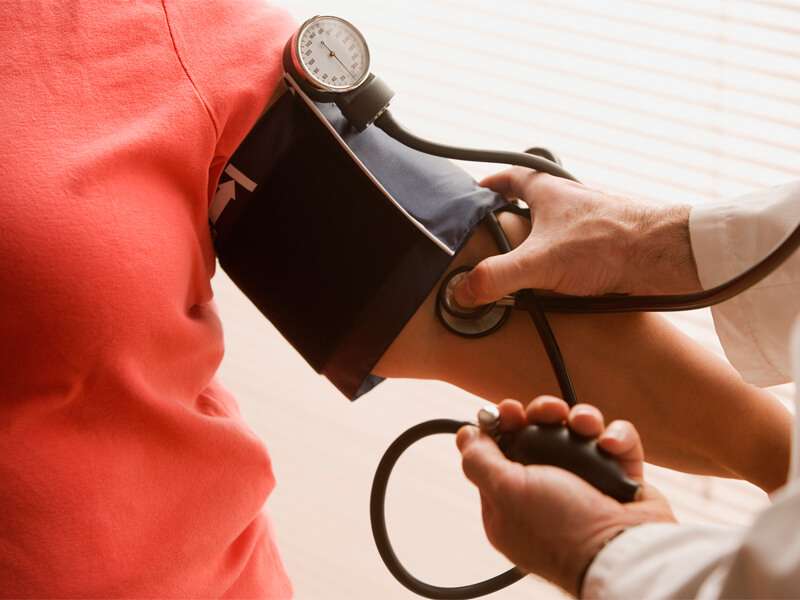
High blood pressure, or hypertension, is a common condition that can lead to serious health issues if left uncontrolled. Understanding how to manage it effectively is crucial for long-term well-being.
- Symptoms and Causes: Often called the "silent killer" because it may show no symptoms; caused by genetics, diet high in salt, stress, obesity, and lack of exercise.
- Diagnosis: Determined through regular blood pressure monitoring using sphygmomanometers over multiple visits or ambulatory BP monitoring.
- Treatment and Management: Lifestyle changes like reducing salt intake, exercising regularly, maintaining healthy weight, and prescribed medications such as ACE inhibitors or beta-blockers.
- What to Expect: Consistent monitoring is essential; lifestyle adjustments often reduce medication needs; untreated hypertension increases risks of heart attack and stroke.
Managing hypertension involves both medical oversight and personal commitment to healthier habits for optimal cardiovascular health.