
Dr sudhir saraswat kvk
About Me
Dr sudhir saraswat kvk
MBBS
General Physician
10 Years Experience
Biography
My Clinic
OPD Hours
| Monday | Morning | 10:00 AM | - | 02:00 PM |
| Evening | 06:00 PM | - | 09:00 PM | |
| Tuesday | Morning | 10:00 AM | - | 02:00 PM |
| Evening | 06:00 PM | - | 09:00 PM | |
| Wednesday | Morning | 10:00 AM | - | 02:00 PM |
| Evening | 06:00 PM | - | 09:00 PM | |
| Thursday | Morning | 10:00 AM | - | 02:00 PM |
| Evening | 06:00 PM | - | 09:00 PM | |
| Friday | Morning | 10:00 AM | - | 02:00 PM |
| Evening | 06:00 PM | - | 09:00 PM | |
| Saturday | Morning | 10:00 AM | - | 02:00 PM |
| Evening | 06:00 PM | - | 09:00 PM | |
| Sunday | Morning | 10:00 AM | - | 02:00 PM |
| Evening | 06:00 PM | - | 09:00 PM |
Treatments
Specialised care and treatments offered
GASTROESOPHAGEAL REFLUX DISEASE (GERD)
This chronic digestive disorder occurs when stomach acid frequently flows back into the esophagus. Recognizing GERD early can help prevent complications such as esophagitis or Barrett's esophagus..
- Symptoms: Heartburn , regurgitation , chest pain , difficulty swallowing , plus potential coughing at night are common complaints among patients experiencing GERD .
- Diagnosis: Physicians utilize symptom reports along with diagnostic tools such as endoscopy for direct visualization of esophageal lining .
- Treatment: Lifestyle modifications like dietary changes combined with over-the-counter antacids can manage mild cases ; however prescription medications may be necessary for more severe instances .
- What to expect: An effective management plan typically alleviates symptoms enabling patients return normalcy back into their lives while minimizing any discomfort associated with reflux episodes .
If left untreated , GERD could lead serious complications warranting immediate attention from healthcare professionals quickly.
THYROID DISORDERS

Your thyroid gland plays an important role in regulating metabolism through hormone production. Disorders affecting this gland can significantly impact various bodily functions and overall health..
- Symptoms: Changes in weight, energy levels , heat sensitivity , mood swings , or changes in hair texture may indicate dysfunction of this gland .
- Diagnosis: Blood tests that evaluate thyroid hormone levels will help determine if a condition exists , including hypothyroidism (low hormone) or hyperthyroidism (high hormone).
- Treatment: Depending on the diagnosis , treatment might involve hormone replacement therapy for low function or antithyroid medications for overactivity .
- What to expect: Most patients respond well when managing their condition properly through medication adjustments monitored regularly.
Early detection coupled with appropriate intervention can drastically improve quality of life for those affected by thyroid conditions .
HYPERLIPIDEMIA
The term hyperlipidemia refers to elevated levels of lipids (fats) in the bloodstream. High cholesterol has no immediate symptoms but poses significant long-term health risks if not addressed appropriately.
- Symptoms: Most individuals show no signs until complications arise; possible effects include chest pain or heart attack in severe cases.
- Diagnosis: A lipid panel measures various fat levels in your blood; abnormal results necessitate further investigation into lifestyle factors and family history.
- Treatment: Treatment may involve dietary adjustments, increased physical activity, and possibly medications like statins to lower cholesterol levels effectively.
- What to expect:A structured approach allows many patients to achieve desired lipid levels with ongoing monitoring required for optimal management over time.
Having regular check-ups is essential for assessing lipid levels and reducing cardiovascular risks associated with high fat concentrations in the blood.
RESPIRATORY INFECTIONS
Respiratory infections affect the airways and lungs; they can range from mild ailments like colds to more serious diseases such as pneumonia. Understanding the types and severity is vital for effective treatment.
- Symptoms: Common indicators include cough, sore throat, fever, and difficulty breathing depending on the infection's nature.
- Diagnosis: Medical evaluation may include listening to lung sounds and chest X-rays to identify the type of infection present.
- Treatment: Options can vary from supportive care with rest and hydration to antibiotics for bacterial infections.
- What to expect: Many respiratory infections resolve within a few weeks; however, persistent symptoms should prompt further evaluation by a doctor.
If you experience severe symptoms or have underlying health issues, seeking medical help promptly can prevent further complications.
DIABETES MANAGEMENT

Diabetes is a chronic condition characterized by elevated sugar levels in the blood. Managing diabetes effectively is key to preventing complications such as cardiovascular disease and neuropathy.
- Symptoms: Increased thirst, frequent urination, extreme fatigue, and blurred vision are common signs.
- Diagnosis: Blood tests that measure glucose levels confirm diabetes; options include fasting glucose tests and HbA1c testing.
- Treatment: Approaches include lifestyle modifications like diet control and physical activity; insulin therapy or oral medications may be prescribed as needed.
- What to expect: Ongoing management involves regular check-ups to monitor blood sugar levels and adjust treatment plans accordingly.
If you suspect you have diabetes or are at risk, timely medical intervention can make a significant difference in your health outcomes.
HYPERTENSION
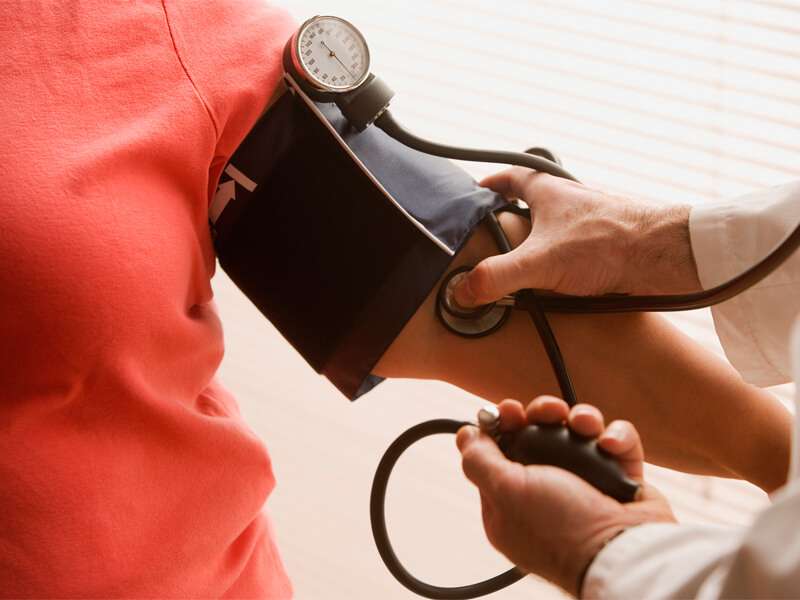
Hypertension, or high blood pressure, is a common health issue that can lead to serious complications if left unmanaged. It often has no prominent symptoms, making regular monitoring important.
- Symptoms: Many individuals experience no symptoms, but severe cases may present with headaches, shortness of breath, or nosebleeds.
- Diagnosis: Blood pressure is measured using a sphygmomanometer; readings of 130/80 mmHg or higher indicate hypertension.
- Treatment: Management often includes lifestyle changes such as diet and exercise, along with medications like diuretics or ACE inhibitors.
- What to expect: Regular monitoring and follow-ups are crucial for effective management and reducing the risk of heart disease and stroke.
Maintaining healthy blood pressure is essential for overall well-being, so consulting a healthcare professional regularly is advisable.