
Dr Sudhakar Jain
About Me
Dr Sudhakar Jain
MS
Orthopaedic Surgeons
10 Years Experience
Biography
My Clinic
OPD Hours
| Monday | Morning | 10:00 AM | - | 02:00 PM |
| Evening | 06:00 PM | - | 09:00 PM | |
| Tuesday | Morning | 10:00 AM | - | 02:00 PM |
| Evening | 06:00 PM | - | 09:00 PM | |
| Wednesday | Morning | 10:00 AM | - | 02:00 PM |
| Evening | 06:00 PM | - | 09:00 PM | |
| Thursday | Morning | 10:00 AM | - | 02:00 PM |
| Evening | 06:00 PM | - | 09:00 PM | |
| Friday | Morning | 10:00 AM | - | 02:00 PM |
| Evening | 06:00 PM | - | 09:00 PM | |
| Saturday | Morning | 10:00 AM | - | 02:00 PM |
| Evening | 06:00 PM | - | 09:00 PM | |
| Sunday | Morning | 10:00 AM | - | 02:00 PM |
| Evening | 06:00 PM | - | 09:00 PM |
Treatments
Specialised care and treatments offered
HIP LABRAL TEAR REPAIR
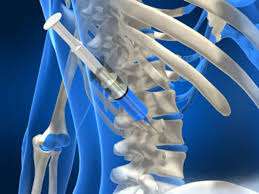
A hip labral tear repair aims at fixing damage within the labrum—a cartilage lining that cushions hip joints. Addressing tears early usually enhances overall hip stability improving performance in daily tasks post-recovery phase smoothly too!
- Key symptoms involve groin pain along with limited mobility experienced both during activity & resting positions alike.
- Diagnostic assessments primarily utilize MRI scans revealing detailed structural integrity concerns present within joints themselves.
- Therapy usually initiates prior interventions which may range from physiotherapy using specific exercises targeted towards strengthening stabilizing muscles around affected area coupled alongside ice treatments reducing inflammation seen typically represented more dramatically over time before moving onto intervention stages direct thereafter if needed!
- This minimally invasive surgical method employs arthroscope technology yielding shorter recoveries enhancing eventual return functionalities quickly maintaining integrity restorations successfully managed effectively throughout!
Recovery emphasizes gradual rebuilding strength returning capability fulfilling active demands placed upon hips likely consistently helping maintain better quality lifestyles henceforth thereafter!
PLANTAR FASCIITIS TREATMENT
Tackling plantar fasciitis involves addressing inflammation of the plantar fascia—the ligament supporting foot arches. Treatment ranges from conservative options to minimally invasive procedures depending on severity levels encountered by individuals.
- Common symptoms consist of heel pain especially during morning activities or after periods of inactivity.
- Diagnosis often requires clinical evaluation alongside imaging techniques like ultrasound.
- Initial treatment could comprise rest, stretching exercises as well as orthotic supports aimed at alleviating pressure during healing phases.
- If conservative management fails, surgical options focusing on releasing tension along the fascia might present viable alternatives later downline.
- Post-treatment care centers around tailored rehabilitation strategies discussing lifestyle changes necessary for preventing recurrence thereafter.
Effective management ensures optimal outcomes allowing individuals once again stride without discomfort.
TRIGGER FINGER RELEASE

Trigger finger release is designed to treat a condition where fingers lock in place due to tendon inflammation. This simple yet effective procedure frees the affected tendon through minimal incisions.
- Sufferers often report locking sensations or pain in their affected fingers as primary symptoms.
- A thorough physical examination alongside imaging studies might be needed for accurate diagnosis.
- The initial treatment could involve anti-inflammatory medications or splints before surgery becomes necessary.
- The aim is to cut through any constriction surrounding the tendon sheath leading to improved mobility.
- A quick recovery period typically follows, allowing patients to regain full finger function within weeks.
Afterward, many find relief from discomfort that enhances everyday tasks significantly.
MINIMALLY INVASIVE KNEE REPLACEMENT

This advanced surgical technique for knee replacement minimizes tissue damage while addressing severe arthritis or knee injury. It allows for a smaller incision and reduced hospital stay compared to traditional methods.
- Individuals suffering from severe joint pain or stiffness may consider this option as their primary symptom.
- X-rays or MRIs help confirm the need for replacement during diagnosis.
- Treatment alternatives can vary from medication management to physical therapy before surgery is recommended.
- The advantages of this approach include less blood loss, lower risk of infection, and faster recovery time.
- Patients typically begin rehabilitation shortly after the procedure to restore movement quickly.
This technique presents a favorable option for those seeking significant relief from knee issues with fewer complications.
CARPAL TUNNEL RELEASE

The carpal tunnel release is a common outpatient procedure aimed at relieving pressure on the median nerve in the wrist. This condition often leads to symptoms affecting hand function and comfort.
- Aching hands, tingling sensations, and weakness are common symptoms.
- Your healthcare provider might use nerve conduction studies for diagnosis.
- Treatment can include splinting or steroid injections before considering surgery.
- The goal of the procedure is to create more space in the carpal tunnel by cutting the transverse carpal ligament.
- Recovery usually involves gentle therapy and can significantly improve daily activities.
After this treatment, most patients experience improved symptoms and increased hand functionality.
ARTHROSCOPIC SHOULDER SURGERY

Arthroscopic shoulder surgery is a minimally invasive procedure used to diagnose and treat various shoulder issues. By using small incisions and a camera, surgeons can access the joint with less trauma than traditional open surgery.
- Symptoms may include pain, swelling, limited range of motion, or clicking sounds when moving the shoulder.
- Diagnosis typically involves a physical examination along with imaging tests like MRI or X-rays.
- Treatment options often include rest, physical therapy, or surgical intervention to repair damaged tissues.
- This procedure usually leads to quicker recovery times compared to open surgery.
- Post-surgery rehabilitation focuses on regaining strength and mobility.
Ultimately, arthroscopic shoulder surgery aims for effective pain relief and restoration of function.