
Dr Suchita Sharma
About Me
Dr Suchita Sharma
MBBS
Dermatologist
10 Years Experience
Biography
My Clinic
OPD Hours
| Monday | Morning | 10:00 AM | - | 02:00 PM |
| Evening | 06:00 PM | - | 09:00 PM | |
| Tuesday | Morning | 10:00 AM | - | 02:00 PM |
| Evening | 06:00 PM | - | 09:00 PM | |
| Wednesday | Morning | 10:00 AM | - | 02:00 PM |
| Evening | 06:00 PM | - | 09:00 PM | |
| Thursday | Morning | 10:00 AM | - | 02:00 PM |
| Evening | 06:00 PM | - | 09:00 PM | |
| Friday | Morning | 10:00 AM | - | 02:00 PM |
| Evening | 06:00 PM | - | 09:00 PM | |
| Saturday | Morning | 10:00 AM | - | 02:00 PM |
| Evening | 06:00 PM | - | 09:00 PM | |
| Sunday | Morning | 10:00 AM | - | 02:00 PM |
| Evening | 06:00 PM | - | 09:00 PM |
Treatments
Specialised care and treatments offered
MELASMA
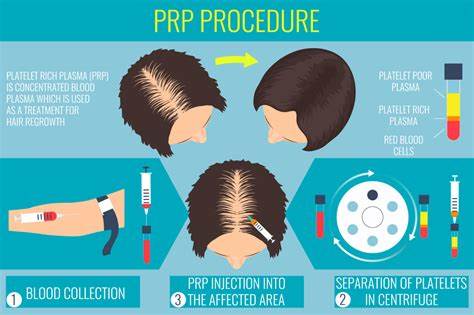
A pigmentary disorder marked by symmetrical brown or gray-brown patches typically appearing on sun-exposed facial regions such as cheeks, forehead, upper lip, and chin. Melasma largely affects women during their reproductive years due to hormonal influences combined with UV exposure.
- Symptoms & Triggers: Irregular hyperpigmented macules without scaling ; exacerbated by sun exposure , pregnancy , oral contraceptives , or hormone replacement therapy
- How Diagnosis Occurs: Clinically diagnosed via appearance ; Wood's lamp examination assists in determining depth of pigmentation which influences treatment choice
- Treatment Approaches: Include broad-spectrum sunscreens , topical bleaching agents like hydroquinone , chemical peels , laser therapy reserved for resistant cases
- Prognosis: Requires long-term photoprotection ; gradual fading over months common but recurrent episodes frequent especially without sun avoidance
Consistent adherence to preventive measures paired with expert-guided treatments promote better outcomes managing melasma’s aesthetic impact effectively .
SEBORRHEIC DERMATITIS
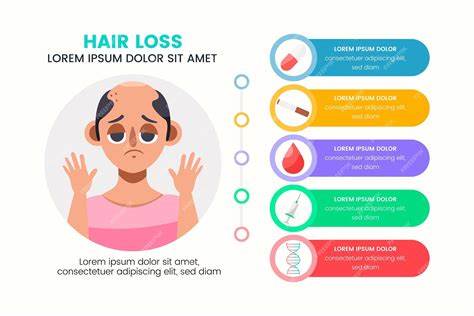
Seborrheic dermatitis is a chronic inflammatory skin disorder affecting areas rich in sebaceous glands such as the scalp, face sides, upper chest, and back. It presents differently across age groups but shares similar underlying mechanisms involving yeast colonization and immune response imbalance.
- Main Symptoms & Causes Include:Dandruff-like flaking scalp with red patches that can be oily or dry; associated with Malassezia yeast proliferation exacerbated by stress or cold weather conditions
- The Diagnosis Steps :A thorough clinical evaluation usually suffices without requiring lab testing unless secondary infection suspected
- Management: Utilizes medicated shampoos containing antifungal agents like ketoconazole , antiseborrheic ingredients , topical steroids , or calcineurin inhibitors where indicated
- Expectations: Symptom control achievable but relapses frequent necessitating maintenance treatment ; good hygiene aids outcomes
Adherence to prescribed regimens greatly helps maintain symptom remission , improving overall comfort .
VITILIGO
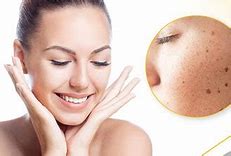
The development of vitiligo involves loss of pigment-producing cells (melanocytes), resulting in depigmented white patches on various parts of the skin. The exact cause remains unclear but is believed autoimmune in nature.
- Presents With: Symmetrical white macules that enlarge gradually; areas commonly affected include face, hands, feet, and around body openings.
- Diagnostic Process: Visual inspection under Wood’s lamp helps highlight depigmented areas; additional tests rule out associated autoimmune diseases.
- Treatment Elements: Options comprise topical corticosteroids or calcineurin inhibitors to stimulate repigmentation; phototherapy may also be employed in extensive cases.
- Treatment Expectations: Response varies widely; early intervention improves chances of halting progression though full repigmentation is challenging to achieve consistently.
Counseling about cosmetic options can boost self-esteem while ongoing research continues to explore advanced therapies for this condition.
ATOPIC DERMATITIS
This inflammatory skin disorder predominantly affects children but can persist into adulthood. It leads to dry, itchy patches prone to irritation and secondary infections.
- Understanding Symptoms & Causes: Characterized by persistent itching along with red or brownish-gray patches on flexural areas like elbows and knees. Genetics and environmental factors contribute to its development.
- Diagnosis Approach: Based mainly on patient history and physical exam; no specific laboratory test confirms it definitively.
- Treatment Strategies: Emollients for hydration, topical corticosteroids for inflammation control, antihistamines for itch relief are commonly used interventions.
- Lifestyle Recommendations: Avoiding irritants such as harsh soaps and maintaining proper skin care routines help manage symptoms effectively long-term.
A consistent skincare regimen combined with medical treatment improves symptom control and enhances patient comfort significantly.
ACNE VULGARIS
Acne vulgaris is a common skin condition that affects sebaceous glands and hair follicles, primarily impacting adolescents but possible at any age.
- Symptoms & Causes: It manifests as whiteheads, blackheads, pustules, or cysts mostly on the face, chest, and back. Hormonal fluctuations often trigger excess oil production causing clogged pores.
- Diagnosis: Diagnosis is clinical based on lesion types and distribution without need for invasive tests in most cases.
- Treatment Modalities: Includes topical retinoids, benzoyl peroxide products, antibiotics for inflammation, and oral medications in severe cases.
- Outcome Expectations: Timely treatment reduces scarring risk; mild acne may resolve spontaneously over time while persistent forms require maintenance therapy.
Efficacious management restores confidence by minimizing outbreaks through individualized treatment plans tailored to severity.
PSORIASIS
Psoriasis is a chronic autoimmune condition that primarily affects the skin, causing red, scaly patches. It can appear anywhere on the body and tends to flare periodically.
- Causes & Symptoms: It results from an overactive immune response, leading to rapid skin cell turnover. Common symptoms include thickened, inflamed skin with silvery scales and itching.
- Diagnosis: Dermatologists identify psoriasis based on clinical examination; occasionally, a skin biopsy may be done to confirm the diagnosis.
- Treatment Options: Management includes topical creams like corticosteroids or vitamin D analogues, phototherapy, and systemic medications for severe cases.
- Management Expectations: While there’s no permanent cure, treatments help control symptoms and reduce flare-ups effectively.
A comprehensive approach combining lifestyle changes and prescribed therapies can greatly improve quality of life for those with psoriasis.