
Dr Subhash Sachd
About Me
Dr Subhash Sachd
MBBS
General Physician
10 Years Experience
Biography
My Clinic
OPD Hours
| Monday | Morning | 10:00 AM | - | 02:00 PM |
| Evening | 06:00 PM | - | 09:00 PM | |
| Tuesday | Morning | 10:00 AM | - | 02:00 PM |
| Evening | 06:00 PM | - | 09:00 PM | |
| Wednesday | Morning | 10:00 AM | - | 02:00 PM |
| Evening | 06:00 PM | - | 09:00 PM | |
| Thursday | Morning | 10:00 AM | - | 02:00 PM |
| Evening | 06:00 PM | - | 09:00 PM | |
| Friday | Morning | 10:00 AM | - | 02:00 PM |
| Evening | 06:00 PM | - | 09:00 PM | |
| Saturday | Morning | 10:00 AM | - | 02:00 PM |
| Evening | 06:00 PM | - | 09:00 PM | |
| Sunday | Morning | 10:00 AM | - | 02:00 PM |
| Evening | 06:00 PM | - | 09:00 PM |
Treatments
Specialised care and treatments offered
VIRAL HEPATITIS AWARENESS

An inflammatory condition affecting the liver often caused by viral infections typed A through E. Proper understanding aids prevention alongside appropriate care for those infected.
- Causation & Presentation: Transmitted through contaminated food/water or blood exposure; symptoms range from mild fatigue to jaundice (yellowing of skin/eyes).
- Differential Diagnosis Techniques:: Blood tests detecting specific viral antigens/antibodies determine which form is present;
OSTEOARTHRITIS MANAGEMENT

This degenerative joint disorder causes cartilage breakdown leading to pain and stiffness mainly in older adults. Early recognition allows better preservation of joint function over time.
- Causative Factors & Symptoms: Aging, joint injury history contribute; patients experience joint pain worsening with activity and morning stiffness lasting less than an hour.
- Evolving Diagnosis Steps: Physical examination supported by imaging like X-rays revealing cartilage loss or bone spurs confirms diagnosis.
- Treatment Modalities: Combines physical therapy exercises, weight control strategies, pain-relief medications including NSAIDs;
ACUTE BRONCHITIS TREATMENT
This respiratory condition involves inflammation of the bronchial tubes resulting in cough and discomfort. It usually follows a viral infection but can affect individuals regardless of age group.
- Main Symptoms & Causes: Persistent cough producing mucus, chest tightness; often triggered by cold viruses or irritants like smoke.
- How It Is Diagnosed: Clinical evaluation focuses on symptom history; sometimes chest X-rays are used to rule out pneumonia.
- Treatment Strategies: Primarily symptomatic relief via rest, fluids, cough suppressants; antibiotics are seldom required unless bacterial infection is confirmed.
- Prognosis & Recovery: Most cases resolve within weeks without lasting effects; important to avoid smoking during recovery period.
Caring for acute bronchitis includes supportive measures ensuring comfort while the immune system clears the infection effectively.
TYPE 2 DIABETES MELLITUS CARE
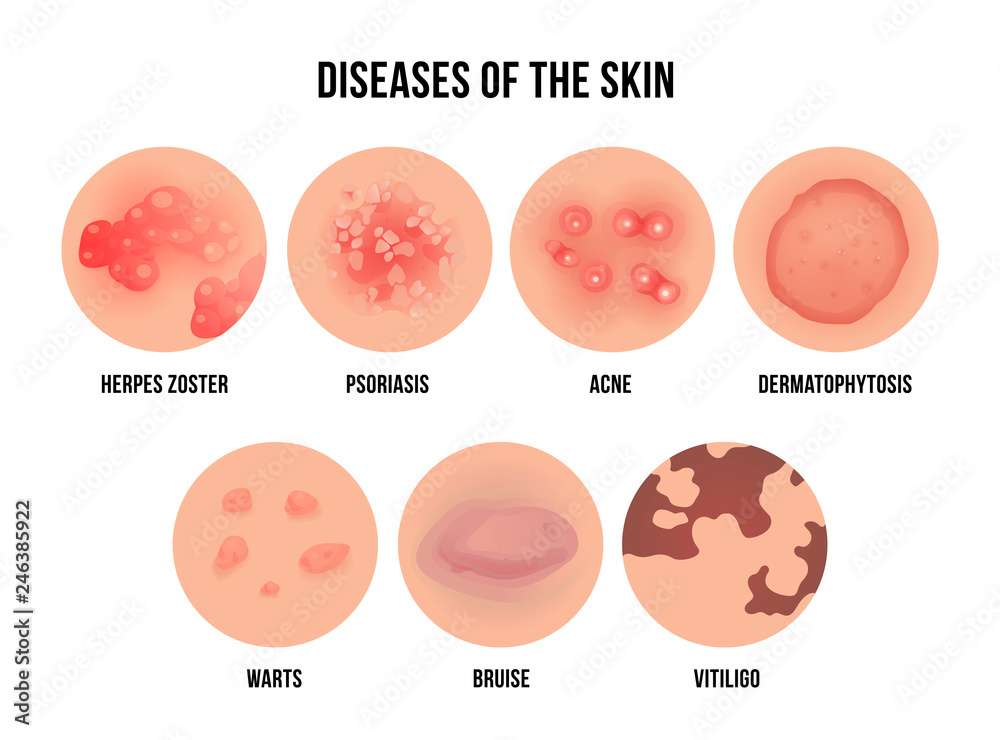
Diabetes mellitus type 2 is a chronic condition characterized by elevated blood sugar levels due to insulin resistance. Understanding this disease is vital for effective control and prevention of complications.
- Symptoms and Causes: Common signs include increased thirst, frequent urination, fatigue; major causes involve obesity, inactivity, and genetic predisposition.
- Diagnostic Process: Blood tests like fasting glucose levels and HbA1c help determine the presence and severity of diabetes.
- Treatment Approaches: Focus on lifestyle changes such as balanced diet and exercise combined with oral medications or insulin if necessary.
- Expectations: Lifelong monitoring with support to maintain glucose within target ranges helps avoid damage to eyes, kidneys, nerves, and heart.
A comprehensive care plan tailored individually fosters better control of diabetes and enhances quality of life.
HYPERTENSION MANAGEMENT
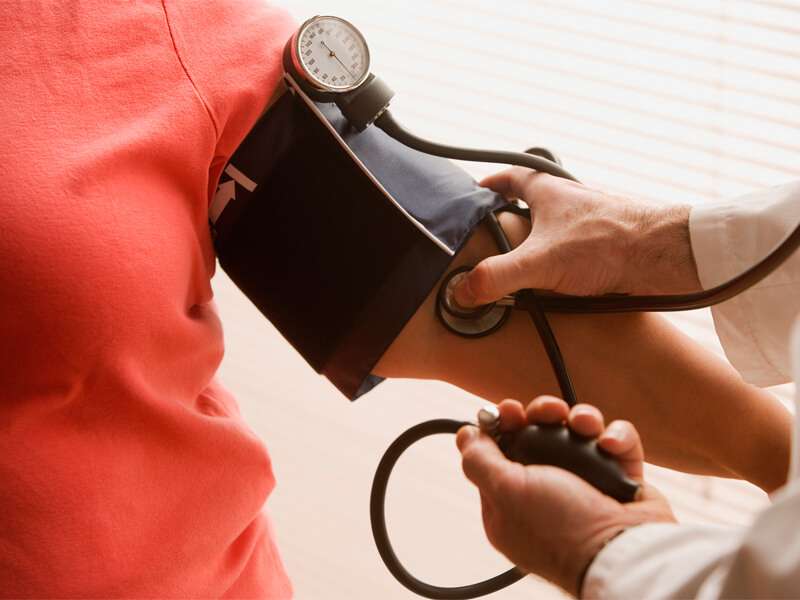
High blood pressure, or hypertension, is a common health issue that can lead to serious complications if left untreated. It often presents without obvious symptoms, making regular monitoring essential for early detection.
- Causes and Symptoms: Often caused by genetic factors, lifestyle choices such as diet and exercise, and stress; symptoms may be absent or include headaches and dizziness.
- Diagnosis: Blood pressure is measured using a sphygmomanometer at multiple visits to confirm persistent elevation above normal ranges.
- Treatment Options: Lifestyle modifications including diet (low salt), physical activity, weight control, along with prescribed antihypertensive medications when needed.
- Management: Regular follow-up visits to monitor blood pressure and adjust treatment are critical for preventing heart disease or stroke.
Proactive management of hypertension significantly reduces the risk of cardiovascular complications and improves overall long-term health outcomes.