
Dr Srivar Agnihotri
About Me
Dr Srivar Agnihotri
MS
Orthopaedic Surgeons
10 Years Experience
Biography
My Clinic
OPD Hours
| Monday | Morning | 10:00 AM | - | 02:00 PM |
| Evening | 06:00 PM | - | 09:00 PM | |
| Tuesday | Morning | 10:00 AM | - | 02:00 PM |
| Evening | 06:00 PM | - | 09:00 PM | |
| Wednesday | Morning | 10:00 AM | - | 02:00 PM |
| Evening | 06:00 PM | - | 09:00 PM | |
| Thursday | Morning | 10:00 AM | - | 02:00 PM |
| Evening | 06:00 PM | - | 09:00 PM | |
| Friday | Morning | 10:00 AM | - | 02:00 PM |
| Evening | 06:00 PM | - | 09:00 PM | |
| Saturday | Morning | 10:00 AM | - | 02:00 PM |
| Evening | 06:00 PM | - | 09:00 PM | |
| Sunday | Morning | 10:00 AM | - | 02:00 PM |
| Evening | 06:00 PM | - | 09:00 PM |
Treatments
Specialised care and treatments offered
SCIATICA
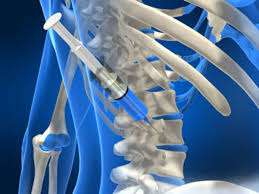
Sciatica describes pain that radiates along the path of the sciatic nerve—from lower back through hips down each leg. This may occur due to herniated discs putting pressure on nerve roots emerging from vertebrae; however specific treatment plans will vary based upon underlying causes found!
- Symptoms usually manifest as tingling sensations coupled alongside severe discomfort within designated paths extending past glut & thigh regions while occasionally leading into toes if left neglected!
- Clinicians utilize detailed history-taking practices emphasizing potential triggers aiding accurate diagnosis complemented by imaging modalities including MRI/CT scans aimed directly targeting problematic discs.
- Treatment initially focuses around physical rehabilitation addressing core strengthening/lumbar stabilization exercises aimed reducing risks re-aggravating existing concerns keeping overall body supported throughout rehabilitation processes regularly conducted under professional supervision!
- If conservative efforts do not produce satisfactory outcomes surgical options could become viable routes ultimately leading complete resolution & symptom alleviation accordingly.
Overall consistency regarding implementation makes all difference between success failures together overcoming associated challenges presenting themselves before reaching desired healing milestones seen ahead moving forward successfully!.
BURSITIS
Bursitis occurs when small fluid-filled sacs known as bursae become inflamed. These sacs help reduce friction between bones and soft tissues. Common sites include shoulders, elbows, hips, and knees; understanding its causes can help prevent recurrence.Bursitis typically presents as localized swelling and tenderness around joints accompanied by restricted motion due to pain in active use situations.
- Inflammation may stem from repetitive movements or prolonged pressure on specific joints.
- Diagnosis frequently relies on physical examination supported by ultrasound imaging if necessary.
- Non-surgical approaches revolve around rest followed by gradual return-to-activity programs combined with NSAIDs for symptomatic relief.
- In certain cases where conservative measures fail to yield results after thorough trials involving physiotherapy sessions might provide added benefit enabling dental strength restoration!< br />
With consistent attention dedicated towards managing it proactively via prevention techniques could lead towards full recovery without surgical interventions!
CARPAL TUNNEL SYNDROME

This condition occurs when the median nerve is compressed as it travels through the wrist's carpal tunnel. Symptoms often include numbness, tingling, or weakness in the hand and arm; addressing this promptly can improve quality of life significantly.
- The main causes involve repetitive wrist movements or conditions affecting fluid retention like pregnancy or diabetes.
- A detailed patient history along with specific diagnostic tests are employed for accurate identification of this syndrome.
- Treatment generally includes wrist splinting at night and modifying activities that exacerbate symptoms to minimize stress on the wrist area.
Most people respond well to non-operative treatments without requiring surgery to relieve symptoms effectively!
TENDONITIS

Tendonitis refers to inflammation or irritation of a tendon—the fibrous tissue connecting muscle to bone. Commonly affected areas include shoulders, elbows, knees, and wrists. Early recognition is crucial for effective management.
- Symptoms typically involve localized pain that worsens with movement or activity.
- A thorough clinical evaluation combined with imaging studies helps confirm the diagnosis.
- Management primarily emphasizes rest, ice application, and oral anti-inflammatory medications to reduce discomfort.
- Physical therapy can facilitate recovery by enhancing tendon flexibility through targeted exercises.
Most individuals find relief through these conservative measures while avoiding surgical interventions until absolutely necessary.
PLANTAR FASCIITIS

This common foot condition involves inflammation of the plantar fascia, a thick band of tissue running across the bottom of your foot. Individuals often experience sharp heel pain, particularly noticeable during the first steps in the morning.
- This condition may arise from repetitive stress and overuse, especially in athletes or those with flat feet.
- A comprehensive diagnosis is often achieved through patient history and physical examinations by healthcare professionals.
- Non-surgical treatments include stretching exercises, orthotic devices, and anti-inflammatory medications to manage symptoms effectively.
- Corticosteroid injections can be considered for persistent inflammation not relieved by conservative treatments.
With dedication to therapeutic routines, most patients experience significant relief over time.
OSTEOARTHRITIS

Osteoarthritis is a degenerative joint disease that affects millions of individuals worldwide. This condition occurs when the protective cartilage that cushions the ends of bones wears down over time, leading to pain and stiffness.
- Symptoms include joint pain, swelling, and reduced flexibility.
- The diagnosis typically involves a physical examination and imaging tests such as X-rays or MRIs.
- Treatment options range from lifestyle changes and physical therapy to medications like NSAIDs for pain management.
- In some cases, braces or assistive devices can help alleviate strain on the affected joints.
- A well-structured exercise program focusing on range of motion and strengthening can enhance joint function.
With early intervention and appropriate management strategies, many individuals lead fulfilling lives despite osteoarthritis.