
Dr SP Srivasta
About Me
Dr SP Srivasta
MBBS
General Physician
10 Years Experience
Biography
My Clinic
OPD Hours
| Monday | Morning | 10:00 AM | - | 02:00 PM |
| Evening | 06:00 PM | - | 09:00 PM | |
| Tuesday | Morning | 10:00 AM | - | 02:00 PM |
| Evening | 06:00 PM | - | 09:00 PM | |
| Wednesday | Morning | 10:00 AM | - | 02:00 PM |
| Evening | 06:00 PM | - | 09:00 PM | |
| Thursday | Morning | 10:00 AM | - | 02:00 PM |
| Evening | 06:00 PM | - | 09:00 PM | |
| Friday | Morning | 10:00 AM | - | 02:00 PM |
| Evening | 06:00 PM | - | 09:00 PM | |
| Saturday | Morning | 10:00 AM | - | 02:00 PM |
| Evening | 06:00 PM | - | 09:00 PM | |
| Sunday | Morning | 10:00 AM | - | 02:00 PM |
| Evening | 06:00 PM | - | 09:00 PM |
Treatments
Specialised care and treatments offered
THYROID DISORDER MANAGEMENT
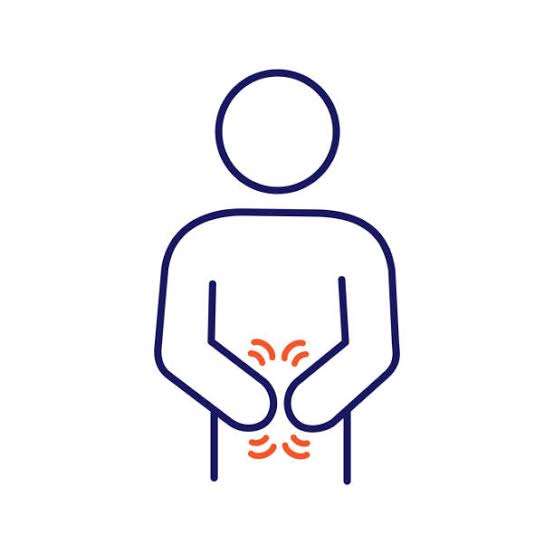
The thyroid gland influences metabolism through hormone production. Disorders such as hypothyroidism or hyperthyroidism disrupt this balance causing varied symptoms requiring medical care.
- Causative Signs && Symptoms: Hypothyroidism leads to fatigue/weight gain whereas hyperthyroidism causes nervousness/weight loss;
ANEMIA EVALUATION AND MANAGEMENT

Anemia results from reduced hemoglobin levels affecting oxygen delivery throughout the body. Recognizing underlying causes is essential for targeted treatment strategies.
- Presents With/Sources: Fatigue, pallor, shortness of breath; causes vary from nutritional deficiencies (iron, B12), chronic diseases to blood loss;
- Diagnostic Work-Up: Complete blood count testing identifies anemia type; further studies like iron studies or bone marrow biopsy might be necessary;
- Treatment Plans: Addressing deficiency through supplements/diet changes; treating underlying illness; transfusions in severe cases;
- Barring Complications:
GASTROESOPHAGEAL REFLUX DISEASE (GERD) TREATMENT
This digestive disorder occurs when stomach acid frequently flows back into the esophagus causing irritation. Managing GERD reduces discomfort and prevents complications like esophagitis.
- Causal Factors/Symptoms: Common signs include heartburn, regurgitation, chest pain exacerbated by certain foods or lying down after meals;
- Diagnosis Techniques: Clinical evaluation often includes endoscopy if symptoms are severe or persistent to assess mucosal damage;
- Treatment Modalities: Lifestyle adjustments such as weight loss, avoiding trigger foods/drinks; medications including antacids or proton pump inhibitors reduce acid production;
- Mild vs Severe Cases: In refractory cases surgical options like fundoplication may be considered to strengthen the lower esophageal sphincter;
An individualized treatment plan promotes symptom relief while minimizing risks of long-term esophageal injury.
CHRONIC OBSTRUCTIVE PULMONARY DISEASE (COPD) MANAGEMENT
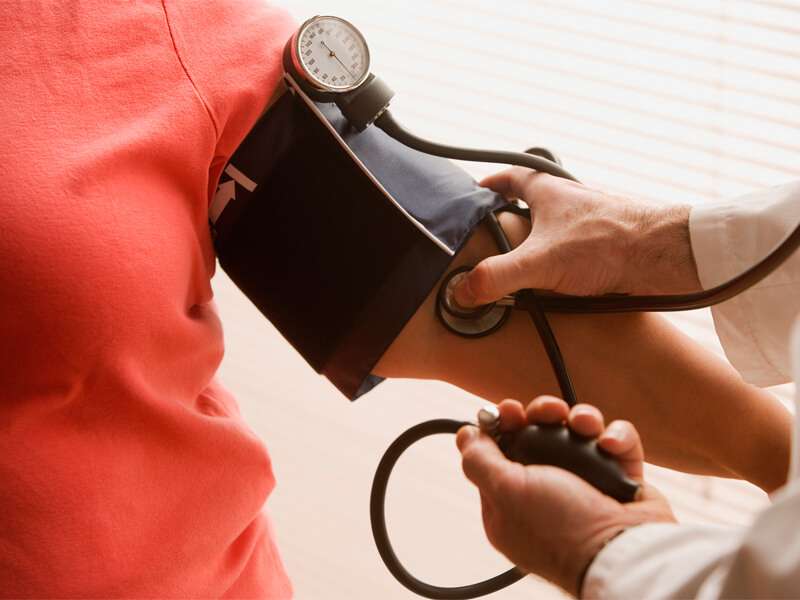
COPD is a progressive lung disease making breathing difficult due to airflow obstruction. While incurable, treatment aims to slow progression and improve quality of life.
- Main Causes/Symptoms: Smoking is the leading cause; symptoms include breathlessness, chronic cough with sputum production.
- Diagnostic Tools: Spirometry testing evaluates lung function; chest X-rays help rule out other conditions.
- Treatment Approaches: Smoking cessation is critical; inhalers containing bronchodilators or steroids help open airways; pulmonary rehabilitation supports exercise capacity.
- Lifestyle Impact: Patients need regular check-ups and vaccinations against respiratory infections which may worsen COPD.
A comprehensive management plan helps reduce flare-ups and maintain daily functioning despite ongoing pulmonary challenges.
TYPE 2 DIABETES MELLITUS CARE

This chronic condition affects how your body regulates glucose, leading to elevated blood sugar levels. Early recognition and consistent management are vital for preventing complications.
- Symptoms/Causes: Symptoms may include increased thirst, frequent urination, fatigue; it's commonly associated with obesity and insulin resistance.
- Diagnosis Methods: Blood tests like fasting glucose or HbA1c confirm diagnosis and help monitor control over time.
- Treatment Strategies: Focus on dietary adjustments, regular exercise, oral hypoglycemic agents, and sometimes insulin therapy tailored individually.
- User Expectations: With proper management, patients can lead healthy lives but require lifelong monitoring to detect organ damage early.
A balanced approach combining lifestyle changes with medical treatment optimizes sugar control and minimizes risk of complications such as neuropathy or cardiovascular disease.
HYPERTENSION MANAGEMENT
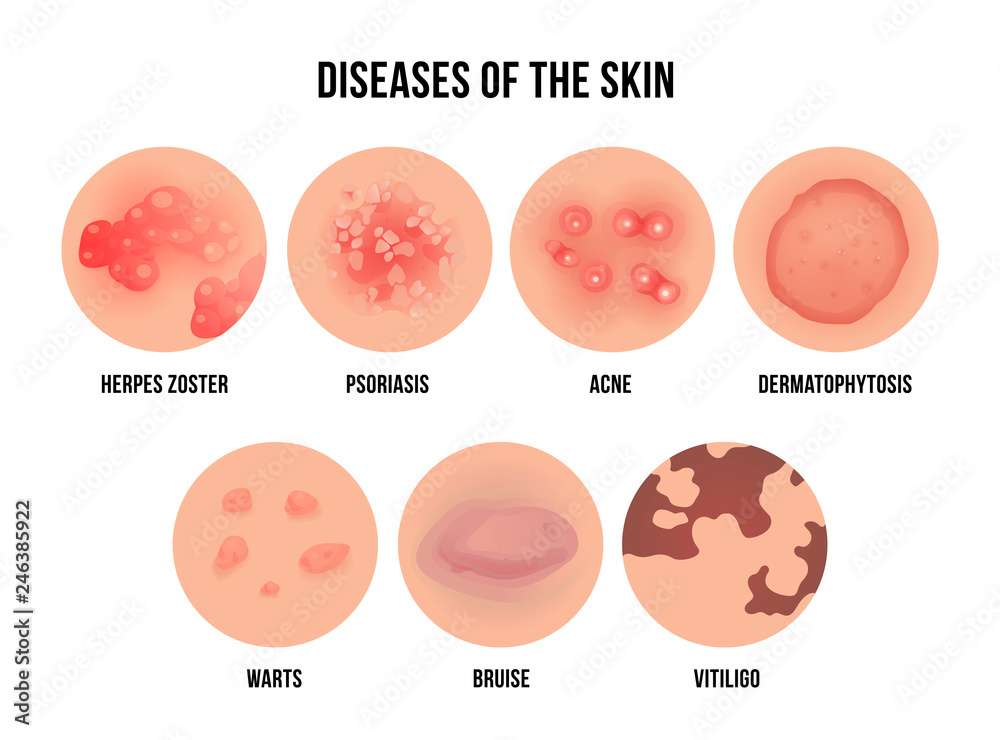
High blood pressure is a common and serious condition that requires careful attention to avoid complications. Managing hypertension involves lifestyle changes and sometimes medication to keep blood pressure in check.
- Symptoms and Causes: Often called the 'silent killer,' many patients have no symptoms; it can result from genetics, poor diet, stress, or sedentary lifestyle.
- Diagnosis: Blood pressure is measured using a sphygmomanometer over multiple visits to confirm persistent elevation above normal ranges (typically 130/80 mmHg or higher).
- Treatment Options: Lifestyle modifications include reducing salt intake, increasing physical activity, losing weight, quitting smoking, and prescribed antihypertensive drugs as needed.
- Monitoring: Regular follow-up appointments are important to track blood pressure and adjust treatments accordingly.
Effectively managing hypertension substantially reduces the risk of heart disease, stroke, and kidney problems. Patients should remain engaged with their health care provider for ongoing support.