
Dr Sp Gupta
About Me
Dr Sp Gupta
MBBS
General Physician
10 Years Experience
Biography
My Clinic
OPD Hours
| Monday | Morning | 10:00 AM | - | 02:00 PM |
| Evening | 06:00 PM | - | 09:00 PM | |
| Tuesday | Morning | 10:00 AM | - | 02:00 PM |
| Evening | 06:00 PM | - | 09:00 PM | |
| Wednesday | Morning | 10:00 AM | - | 02:00 PM |
| Evening | 06:00 PM | - | 09:00 PM | |
| Thursday | Morning | 10:00 AM | - | 02:00 PM |
| Evening | 06:00 PM | - | 09:00 PM | |
| Friday | Morning | 10:00 AM | - | 02:00 PM |
| Evening | 06:00 PM | - | 09:00 PM | |
| Saturday | Morning | 10:00 AM | - | 02:00 PM |
| Evening | 06:00 PM | - | 09:00 PM | |
| Sunday | Morning | 10:00 AM | - | 02:00 PM |
| Evening | 06:00 PM | - | 09:00 PM |
Treatments
Specialised care and treatments offered
GASTROESOPHAGEAL REFLUX DISEASE (GERD) TREATMENT

This digestive disorder involves stomach acid flowing back into the esophagus leading to discomfort and potential tissue damage if untreated.
- Main Symptoms: Heartburn after eating or when lying down, regurgitation of sour liquid are typical complaints caused by LES dysfunction.
- Diagnostic Tools:
CHRONIC OBSTRUCTIVE PULMONARY DISEASE (COPD) MANAGEMENT
COPD encompasses progressive lung diseases causing airflow obstruction mainly due to long-term exposure to irritants like tobacco smoke.
- Typical Symptoms: Persistent cough with sputum production, shortness of breath especially on exertion are key features.
- How It Is Diagnosed: Lung function tests including spirometry determine the severity; chest X-rays may aid in ruling out other conditions.
- Treatment Modalities: Smoking cessation is critical; inhaled bronchodilators and steroids reduce symptoms; oxygen therapy in advanced cases.
- Disease Progression Monitoring: Regular clinical assessments aim to minimize exacerbations and enhance quality of life through pulmonary rehabilitation if indicated.
While COPD is a chronic illness without cure, early diagnosis and adherence to treatment can slow decline in lung function substantially.
TYPE 2 DIABETES MELLITUS CARE

This metabolic disorder is marked by high blood sugar due to insulin resistance or deficiency. Early intervention can prevent complications.
- Signs & Symptoms: Increased thirst, frequent urination, fatigue, blurred vision are common initial indicators.
- Diagnostic Approach: Blood tests like fasting glucose and HbA1c provide confirmation and help evaluate long-term glucose control.
- Treatment Strategies: Combining dietary adjustments, physical activity with oral hypoglycemics or insulin therapy when needed is standard care.
- Lifestyle Role: Weight loss and regular exercise improve insulin sensitivity and blood sugar regulation.
A comprehensive care plan focused on glycemic control minimizes risks of neuropathy, retinopathy, cardio-renal issues linked with diabetes progression.
HYPERTENSION MANAGEMENT
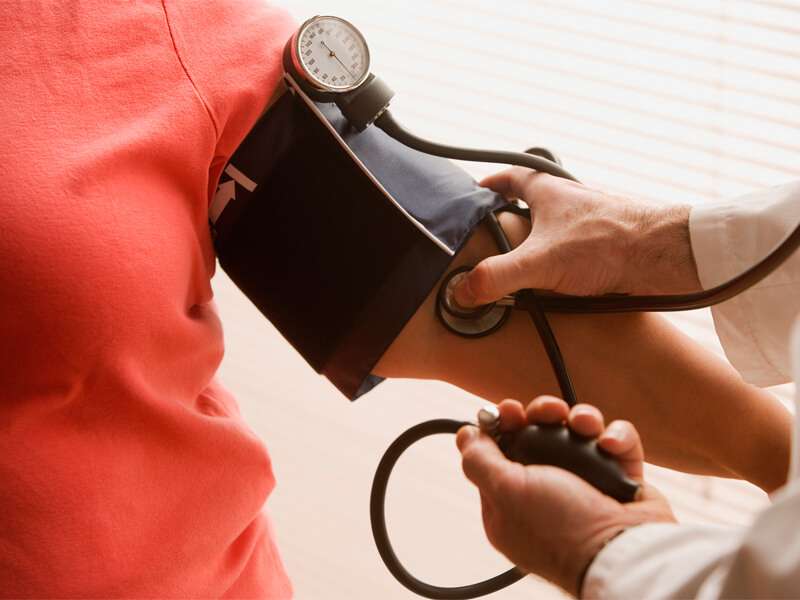
High blood pressure is a common chronic condition that requires consistent monitoring and management to prevent serious complications.
- Symptoms and Causes: Often called the silent killer, hypertension may be asymptomatic but can cause headaches, dizziness, or nosebleeds. It results from factors such as genetics, obesity, stress, and poor diet.
- Diagnosis: Blood pressure readings over 130/80 mmHg on multiple occasions confirm the condition. Additional tests may include kidney function and ECG to assess related risks.
- Treatment Options: Lifestyle changes such as diet modification, exercise, weight control, alongside antihypertensive medications tailored to individual risk profiles.
- Monitoring: Regular follow-ups are essential to adjust therapy and ensure blood pressure stays within safe limits.
Effective management of hypertension significantly reduces the chances of heart attacks, strokes, and kidney damage by maintaining optimal blood pressure levels.