
Dr Sony Vyas
About Me
Dr Sony Vyas
MBBS
General Physician
10 Years Experience
Biography
My Clinic
OPD Hours
| Monday | Morning | 10:00 AM | - | 02:00 PM |
| Evening | 06:00 PM | - | 09:00 PM | |
| Tuesday | Morning | 10:00 AM | - | 02:00 PM |
| Evening | 06:00 PM | - | 09:00 PM | |
| Wednesday | Morning | 10:00 AM | - | 02:00 PM |
| Evening | 06:00 PM | - | 09:00 PM | |
| Thursday | Morning | 10:00 AM | - | 02:00 PM |
| Evening | 06:00 PM | - | 09:00 PM | |
| Friday | Morning | 10:00 AM | - | 02:00 PM |
| Evening | 06:00 PM | - | 09:00 PM | |
| Saturday | Morning | 10:00 AM | - | 02:00 PM |
| Evening | 06:00 PM | - | 09:00 PM | |
| Sunday | Morning | 10:00 AM | - | 02:00 PM |
| Evening | 06:00 PM | - | 09:00 PM |
Treatments
Specialised care and treatments offered
URINARY TRACT INFECTION (UTI)
This common infection involves parts of the urinary system including bladder (cystitis) or kidneys (pyelonephritis). UTIs affect millions annually across all age groups with higher prevalence among females due to anatomical factors.
- Symptoms frequently consist of painful urination , increased frequency & urgency , cloudy urine sometimes hematuria , lower abdominal discomfort.
- The causative organisms primarily involve Escherichia coli originating from bowel flora entering the urethra.
- Diagnostic evaluation includes urine analysis showing leukocytes & nitrites plus culture identifying pathogen & antibiotic sensitivities.
- Treatment predominantly employs targeted antibiotics guided by test results alongside adequate hydration .
- Most uncomplicated UTIs respond quickly but recurrent infections require further investigation for anatomical abnormalities .
Recognizing UTI symptoms early ensures prompt therapy reducing risk progression towards kidney involvement thus protecting renal function effectively.
ACUTE GASTROENTERITIS

An abrupt inflammation affecting the stomach and intestines mostly due to viral or bacterial infections causes acute gastroenteritis. It presents rapidly impacting hydration status especially among vulnerable populations such as children and elderly adults.
- The clinical features classically include diarrhea which can be watery or bloody , vomiting , abdominal cramps , low grade fever , malaise .
- Common etiologies are rotavirus , norovirus among viruses ; E.coli , Salmonella among bacteria.
- Diagnosis is primarily clinical ; stool studies may identify specific pathogens if severe or prolonged.
- Management focuses on rehydration orally or intravenously if needed , dietary modifications , sometimes antimicrobials when bacterial cause suspected.
- Patients generally recover completely within days though monitoring for signs dehydration remains essential.
Knowledge about this condition facilitates appropriate supportive care preventing complications linked with fluid loss thereby ensuring safe recuperation.
COMMUNITY ACQUIRED PNEUMONIA

Pneumonia acquired outside hospital settings affects breathing by infecting lung air sacs causing inflammation. It ranges from mild illness to severe respiratory distress necessitating intensive care admission at times.
- Main s/sx: cough often productive with sputum purulence or even blood streaks; fever; chills; chest pain worsened by breathing; shortness of breath; fatigue;
- Causative agents commonly include bacteria such as Streptococcus pneumoniae but viruses also play a role especially during flu seasons;
- The differential diagnosis is aided by physical exams noting lung crackles plus chest X-rays showing infiltrates;
- Treatment incorporates antibiotics selected according to likely pathogens plus supportive oxygen therapy if indicated;
- The course typically lasts one to two weeks with follow-up necessary to ensure resolution without complications like pleural effusion or abscesses;
Pneumonia demands attentive care considering its variable severity to promote recovery while preventing long-term pulmonary damage.
DIABETIC KETOACIDOSIS (DKA)
This serious complication most commonly occurs in individuals with type 1 diabetes but can happen in type 2 as well. Diabetic ketoacidosis arises from a lack of insulin resulting in elevated blood sugar and ketone production causing acidosis.
- The symptoms include excessive thirst, frequent urination, nausea or vomiting, abdominal pain, fatigue, breath that smells fruity, and rapid breathing.
- The underlying cause is insulin deficiency due to missed doses or infection triggering increased insulin needs.
- A combination of blood tests and urine analysis, including glucose and ketone levels alongside arterial blood gases helps confirm diagnosis.
- Treatment involves welcome prompt intravenous fluids to correct dehydration, insulin therapy to reduce glucose levels safely, electrolyte management especially potassium replacement.
- If treated early and adequately monitored in hospital settings,DkA has a favorable prognosis; however delayed treatment can be life-threatening.
A clear grasp of DKA supports timely recognition and critical management improving patient outcomes dramatically.
HYPERTENSIVE CRISIS
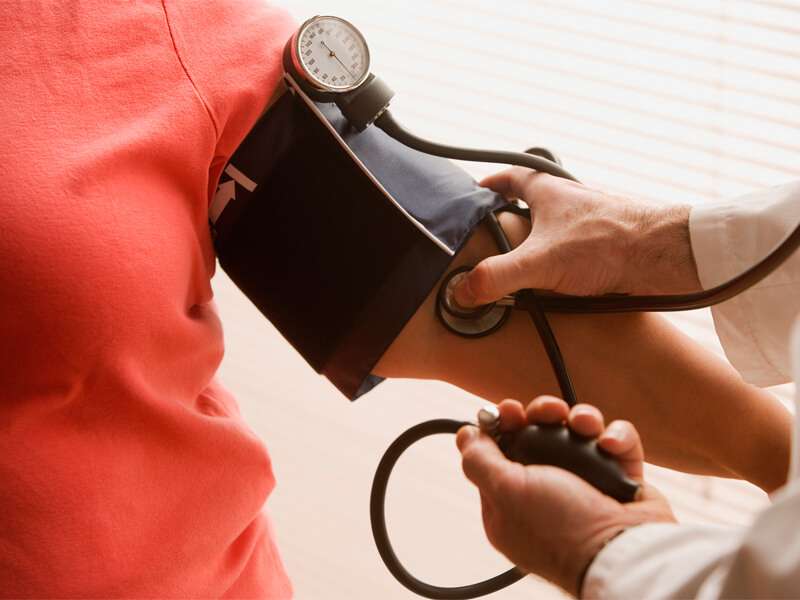
A hypertensive crisis represents a severe elevation in blood pressure that can lead to organ damage if untreated. It requires urgent medical attention to prevent severe complications like stroke or heart failure.
- Signs and symptoms include extremely high blood pressure readings often above 180/120 mmHg, headaches, blurred vision, chest pain, shortness of breath, or neurological issues.
- The cause can be uncontrolled chronic hypertension, medication noncompliance, or secondary causes such as kidney diseases.
- Diagnosis involves repeated blood pressure measurements along with assessment for end-organ damage through lab tests and imaging when necessary.
- Treatment: Immediate lowering of blood pressure under medical supervision using intravenous or oral antihypertensives depending on severity.
- The expected outcome improves significantly with prompt treatment; delays increase risks of permanent organ injury.
An understanding of hypertensive crisis aids in recognizing emergencies that demand swift intervention for patient safety.
ACUTE BRONCHITIS

Acute bronchitis is an inflammation of the bronchial tubes, often caused by viral infections. This condition frequently follows a cold or respiratory infection and results in irritation and swelling of the airways.
- Symptoms include persistent coughing, production of mucus, fatigue, slight fever, and chest discomfort.
- Causes are primarily viral infections but sometimes bacterial agents can be involved.
- Diagnosis is mainly clinical based on history and physical examination, occasionally supported by chest X-rays to rule out pneumonia.
- Treatment focuses on symptom relief using fluids, rest, cough suppressants, and occasionally bronchodilators; antibiotics are rarely required.
- Prognosis: Most cases resolve within a few weeks without complications if properly managed.
Understanding acute bronchitis helps in timely care and avoiding unnecessary medications. Early detection and supportive treatments ease recovery effectively.