
Dr Sonia Lal Gup
About Me
Dr Sonia Lal Gup
MBBS
Neurologist
10 Years Experience
Biography
My Clinic
OPD Hours
| Monday | Morning | 10:00 AM | - | 02:00 PM |
| Evening | 06:00 PM | - | 09:00 PM | |
| Tuesday | Morning | 10:00 AM | - | 02:00 PM |
| Evening | 06:00 PM | - | 09:00 PM | |
| Wednesday | Morning | 10:00 AM | - | 02:00 PM |
| Evening | 06:00 PM | - | 09:00 PM | |
| Thursday | Morning | 10:00 AM | - | 02:00 PM |
| Evening | 06:00 PM | - | 09:00 PM | |
| Friday | Morning | 10:00 AM | - | 02:00 PM |
| Evening | 06:00 PM | - | 09:00 PM | |
| Saturday | Morning | 10:00 AM | - | 02:00 PM |
| Evening | 06:00 PM | - | 09:00 PM | |
| Sunday | Morning | 10:00 AM | - | 02:00 PM |
| Evening | 06:00 PM | - | 09:00 PM |
Treatments
Specialised care and treatments offered
CHRONIC NEUROPATHIC PAIN MANAGEMENT
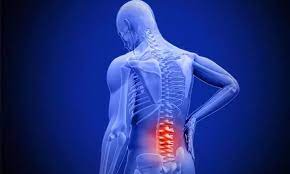
Neuropathic pain arises from nerve damage causing persistent discomfort described often as burning or shooting sensations. Managing it requires a multi-faceted approach tailored individually based on cause severity and response.
- Common causes include diabetic neuropathy , postherpetic neuralgia , nerve compression injuries among others characterized clinically through detailed history plus neurological examination .
- Diagnosis utilizes nerve conduction studies alongside clinical correlation confirming nerve involvement underlying chronic pain complaints .
- Treatment commonly uses medications such as anticonvulsants (gabapentin , pregabalin) antidepressants (duloxetine ) combined where appropriate with topical agents providing targeted relief without systemic effects .
- Complementary measures like cognitive behavioral therapy , physical rehabilitation focusing on desensitization techniques further alleviate suffering enhancing coping mechanisms long term .
- Patient education about realistic expectations emphasizing gradual improvement rather than immediate cure helps foster adherence promoting consistent benefit accumulation eventually decreasing disability related impacts .
A thoughtful combination of pharmacologic therapy plus interdisciplinary interventions optimizes outcomes for those enduring neuropathic pain chronically improving daily function significantly.
STROKE PREVENTION THROUGH RISK FACTOR MODIFICATION
A stroke occurs when blood supply to part of the brain is interrupted or severely reduced. Preventing stroke focuses largely on controlling modifiable risk factors before any event happens.
- Main risks contributing include high blood pressure (hypertension), diabetes mellitus, high cholesterol levels, smoking habits, obesity, and sedentary lifestyles.
- No direct clinical signs indicate pending stroke but identifying these risk factors through health screening enables timely intervention before occurrence of symptoms like sudden weakness or speech difficulties arise from stroke itself.
- Lifestyle measures such as adopting heart-healthy diets rich in fruits/vegetables while limiting salt/saturated fats aid prevention considerably along with quitting tobacco products cumulatively lowering risk burden significantly compared with drug therapy alone if started early enough .
- Medications including antihypertensives , antiplatelet agents especially aspirin , statins may also form part of comprehensive strategy depending on individual profiles .
- Regular physical activity , weight control , adequate sleep patterns complement pharmacological means helping maintain vascular health effectively .
Early recognition combined with proactive lifestyle changes reduces stroke probability substantially supporting long-term neurological health preservation .
MULTIPLE SCLEROSIS SYMPTOM MANAGEMENT
Multiple sclerosis (MS) is an autoimmune disorder impacting the central nervous system. It leads to diverse neurological symptoms due to inflammation and nerve damage in the brain and spinal cord.
- The symptoms vary widely but often include numbness or weakness in limbs, vision problems, fatigue, difficulty walking, and cognitive changes.
- Diagnosis requires MRI scans showing characteristic lesions along with neurological evaluations ruling out other causes.
- Treatment strategies consist mainly of disease-modifying therapies that slow progression combined with symptomatic treatments addressing spasticity, pain, or bladder dysfunctions.
- Lifestyle adjustments like stress reduction techniques, balanced diet, regular low-impact exercise (such as swimming or yoga) improve overall symptom control and quality of life.
- Ongoing monitoring helps tailor treatments as MS courses can be highly variable between individuals with remission periods followed by relapses in some cases.
An individualized care plan integrating medical treatment with holistic support gives people living with MS the best opportunity for functional stability over time.
PARKINSON'S DISEASE SUPPORTIVE THERAPIES
Parkinson’s disease is a chronic movement disorder caused by loss of dopamine-producing brain cells. Symptom management focuses heavily on supportive care to maintain functionality over time.
- Typical symptoms include tremors at rest, muscle stiffness, slowness of movement (bradykinesia), and balance difficulties.
- Clinical examination supported by patient history confirms diagnosis; imaging tests help rule out similar conditions but don't provide definitive diagnosis alone.
- Treatment involves medications such as levodopa to replenish dopamine levels complemented by physical therapy aimed at improving mobility and muscle strength.
- Lifestyle interventions include regular exercise programs tailored to enhance coordination and flexibility alongside speech therapy for communication challenges when needed.
- Nutritional counseling can support overall health and mitigate medication side effects during disease progression.
A comprehensive approach combining pharmacological treatment with supportive therapies offers the best chance to sustain independence in affected individuals throughout the disease course.
EPILEPSY CARE AND LIFESTYLE ADJUSTMENTS
Epilepsy is a neurological disorder marked by recurrent seizures due to abnormal brain activity. Proper management can help control seizures and enhance quality of life.
- The most common symptom is unpredictable seizures that may involve convulsions or brief lapses in awareness.
- Diagnosis is made through clinical evaluation supported by EEG recordings and neuroimaging when necessary.
- Treatment usually centers on antiepileptic medications tailored to seizure type, supplemented by lifestyle guidance to reduce seizure triggers like sleep deprivation or stress.
- Limiting alcohol intake, maintaining consistent medication schedules, and recognizing early warning signs are essential for seizure control.
- Surgical options exist but are considered only when medications fail; however, non-surgical approaches remain central for most patients.
By closely following treatment plans and adopting healthy routines, many people with epilepsy manage their condition successfully while minimizing disruptions to daily activities.
MIGRAINE MANAGEMENT
Migraine is a neurological condition characterized by intense headaches often accompanied by nausea and sensory sensitivities. It can significantly impact daily life if not managed effectively.
- Symptoms include severe, throbbing headaches typically on one side of the head, sensitivity to light and sound, and sometimes visual disturbances known as aura.
- The diagnosis primarily relies on medical history and symptom pattern, with no specific lab tests required.
- Treatment involves lifestyle modifications such as regular sleep patterns, stress management, avoiding known triggers, and medication to prevent or relieve attacks.
- Preventive therapies might include beta-blockers or anticonvulsants when migraines are frequent or disabling.
- Patients are encouraged to maintain a headache diary to identify personal triggers and treatment effectiveness.
With appropriate changes and medical guidance, many individuals achieve significant reduction in migraine frequency and intensity, improving overall wellbeing.