
Dr Smitha Rai
About Me
Dr Smitha Rai
MD
Diabetologist
10 Years Experience
Biography
My Clinic
OPD Hours
| Monday | Morning | 10:00 AM | - | 02:00 PM |
| Evening | 06:00 PM | - | 09:00 PM | |
| Tuesday | Morning | 10:00 AM | - | 02:00 PM |
| Evening | 06:00 PM | - | 09:00 PM | |
| Wednesday | Morning | 10:00 AM | - | 02:00 PM |
| Evening | 06:00 PM | - | 09:00 PM | |
| Thursday | Morning | 10:00 AM | - | 02:00 PM |
| Evening | 06:00 PM | - | 09:00 PM | |
| Friday | Morning | 10:00 AM | - | 02:00 PM |
| Evening | 06:00 PM | - | 09:00 PM | |
| Saturday | Morning | 10:00 AM | - | 02:00 PM |
| Evening | 06:00 PM | - | 09:00 PM | |
| Sunday | Morning | 10:00 AM | - | 02:00 PM |
| Evening | 06:00 PM | - | 09:00 PM |
Treatments
Specialised care and treatments offered
DIETARY CONSULTATION FOR DIABETES

A dietary consultation focuses on creating personalized nutrition plans aimed at managing diabetes effectively. Nutrition plays an essential role in maintaining stable blood sugar levels while promoting overall health.
- Recommendations : Dietitians work closely with patients to determine appropriate carbohydrate intake , emphasizing whole grains , lean proteins , healthy fats , fruits , and vegetables .
- Monitoring Blood Sugar : Understanding how different foods affect individual glycemic responses allows for better meal planning choices .
- Healthy Lifestyle Changes : Integrating physical activity into daily routines complements dietary adjustments , supporting weight management goals .
Through tailored dietary strategies , individuals can learn how food impacts their condition while improving their lifestyle choices effectively .
ORAL GLUCOSE TOLERANCE TEST (OGTT)
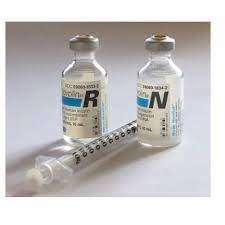
The Oral Glucose Tolerance Test (OGTT) is a key diagnostic tool used to assess how well your body processes glucose. It is particularly useful for diagnosing prediabetes and gestational diabetes during pregnancy.
- Procedure: The test begins by fasting overnight; then a baseline blood sample is taken before consuming a sugary drink containing glucose.
- Diagnosis : A significant rise in blood sugar after two hours indicates impaired glucose tolerance or diabetes .
- Follow-up : Depending on results , further testing may be recommended to confirm diagnosis .
The OGTT provides critical insights into your body's ability to manage glucose intake efficiently , allowing healthcare providers to create tailored treatment plans .
INSULIN PUMP THERAPY
An insulin pump is a small device worn outside the body that continuously delivers insulin through a catheter placed under the skin. This method offers precise control over insulin delivery for people living with diabetes.
- Advantages: Insulin pumps provide flexibility in meal planning and can help maintain more stable blood sugar levels compared to multiple daily injections.
- Dosing Adjustments: Users can program basal rates for constant delivery alongside bolus doses for meals based on carbohydrate intake.
DIABETIC FOOT CARE EVALUATION
Proper foot care is critical for individuals with diabetes as they are at higher risk for foot complications due to reduced sensation and poor circulation. Regular evaluations can prevent serious issues.
- Risks: Symptoms may include numbness, tingling, or pain in the feet; calluses or corns; and changes in skin color or temperature.
- Evaluation Methods: A comprehensive foot exam assesses nerve function through monofilament tests and evaluates blood flow using Doppler ultrasound.
- Treatment Options: Care involves proper footwear advice, routine examinations, wound care education, and addressing any existing ulcers or infections promptly.
Early intervention can save limbs and improve quality of life through regular diabetic foot assessments and proactive care strategies.
CONTINUOUS GLUCOSE MONITORING (CGM)
A Continuous Glucose Monitor (CGM) is a device that tracks blood glucose levels throughout the day and night. This technology aids in better diabetes control by providing real-time data.
- Functionality: The CGM uses a small sensor inserted under the skin to measure glucose levels in interstitial fluid.
- Benefits: It helps in identifying trends and patterns in glucose fluctuations that may not be evident with traditional testing methods.
- Data analysis: Patients receive alerts for high or low glucose levels, allowing proactive adjustments to insulin therapy or dietary choices.
- Integration: Many CGMs can sync with smartphones or smartwatches for easy monitoring and data tracking.
This advanced technology significantly enhances diabetes management by enabling timely interventions to maintain optimal health.
DIABETES MELLITUS TYPE 1 MANAGEMENT
Type 1 Diabetes is a chronic condition that occurs when the pancreas produces little or no insulin. This absence of insulin leads to high blood sugar levels, requiring careful management.
- Symptoms: Common signs include excessive thirst, frequent urination, extreme fatigue, and blurred vision.
- Causes: The exact cause remains unknown, but it is believed to involve an autoimmune response that attacks insulin-producing cells.
- Diagnosis: Diagnosis typically involves blood tests measuring glucose levels and HbA1c to evaluate long-term control.
- Treatment: Management includes insulin therapy, regular monitoring of blood glucose levels, dietary adjustments, and exercise.
- Expectations: With proper management, individuals can lead healthy lives and minimize complications associated with diabetes.
Effective management helps in maintaining blood sugar within target ranges and improves overall quality of life.