
Dr Smita J. Lele
About Me
Dr Smita J. Lele
MBBS
General Physician
44 Years Experience
Biography
My Clinic
OPD Hours
| Monday | Morning | 09:00 AM | ||
| Evening | 09:00 PM | |||
| Tuesday | Morning | 09:00 AM | ||
| Evening | 09:00 PM | |||
| Wednesday | Morning | 09:00 AM | ||
| Evening | 09:00 PM | |||
| Thursday | Morning | 09:00 AM | ||
| Evening | 09:00 PM |
Treatments
Specialised care and treatments offered
THYROID DISORDERS
The thyroid gland plays a critical role in regulating metabolism; thus its dysfunction can lead to various health complications including weight changes & energy levels fluctuations. Understanding thyroid disorders supports proactive management for overall wellness!
GASTROESOPHAGEAL REFLUX DISEASE (GERD)

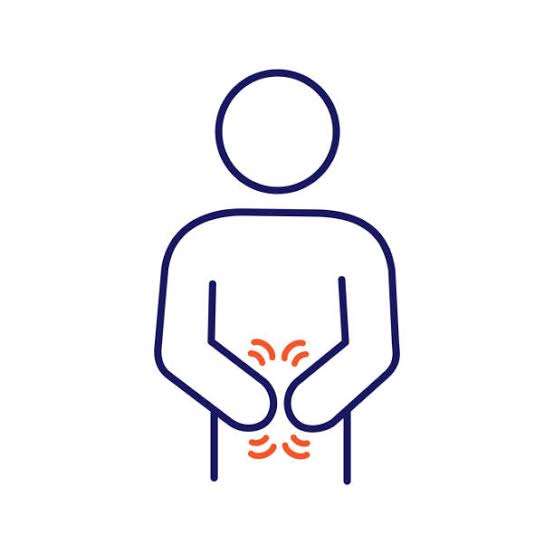
This digestive disorder occurs when stomach acid frequently flows back into the esophagus. GERD can cause discomfort but is manageable with proper treatment strategies tailored for symptom relief and prevention of complications.
- Symptoms:
HIGH CHOLESTEROL
Elevated cholesterol levels increase the risk of heart disease and stroke but are often manageable through lifestyle changes. Recognizing its significance is fundamental to heart health awareness
- Symptoms: Typically asymptomatic unless it leads to more severe cardiovascular problems; hence regular screenings are vital
- Causes: Contributing factors include poor diet (high in saturated fats), lack of physical activity , obesity / overweight , smoking habits , etc .
- Diagnosis: A simple blood test called lipid profile evaluates total cholesterol levels along with LDL (bad) , HDL (good) , triglycerides sections .
- Treatment: Implementing dietary adjustments by reducing unhealthy fats / increasing fiber intake supplemented by exercise ; cholesterol-lowering medications might be recommended when necessary .
- What to Expect: Continued monitoring helps keep cholesterol levels balanced over time leading towards improved overall heart health status .
With dedication & commitment , managing high cholesterol effectively becomes quite feasible .
ASTHMA
A chronic respiratory condition that inflames and narrows the airways, asthma affects millions globally. Awareness of triggers and appropriate management can significantly improve quality of life for those affected.
- Symptoms: Symptoms commonly include wheezing, coughing (particularly at night), chest tightness, and shortness of breath.
- Causes: Common triggers involve allergens such as dust mites and pollen, respiratory infections, smoke exposure, or vigorous exercise in cold weather.
- Diagnosis: Asthma is diagnosed through patient history assessment alongside lung function tests known as spirometry - measuring how much air you breathe out and how quickly.
- Treatment: Inhalers containing bronchodilators or steroids are standard treatments. Avoiding known triggers plays an important role in management too.
- What to Expect: Individuals can lead normal lives by following a comprehensive asthma action plan created with their healthcare provider’s guidance.
A personalized approach greatly enhances your ability to control this condition effectively.
DIABETES MELLITUS

This chronic disease affects how your body metabolizes sugar (glucose), which serves as an essential energy source. Understanding diabetes is crucial for effective long-term management.
- Symptoms: Common signs include excessive thirst, frequent urination, fatigue, and blurred vision.
- Causes: Type 1 diabetes results from the immune system attacking insulin-producing cells in the pancreas, while Type 2 diabetes is often linked to obesity and sedentary lifestyle.
- Diagnosis: A healthcare provider can diagnose diabetes with blood tests that measure glucose levels either through fasting or during random checks.
- Treatment: Management may include dietary changes, regular exercise, blood sugar monitoring, and insulin therapy if necessary.
- What to Expect: With appropriate care plans tailored to individual needs, patients can manage their condition effectively and maintain a good quality of life.
a proactive approach can minimize complications associated with this disease.
HYPERTENSION
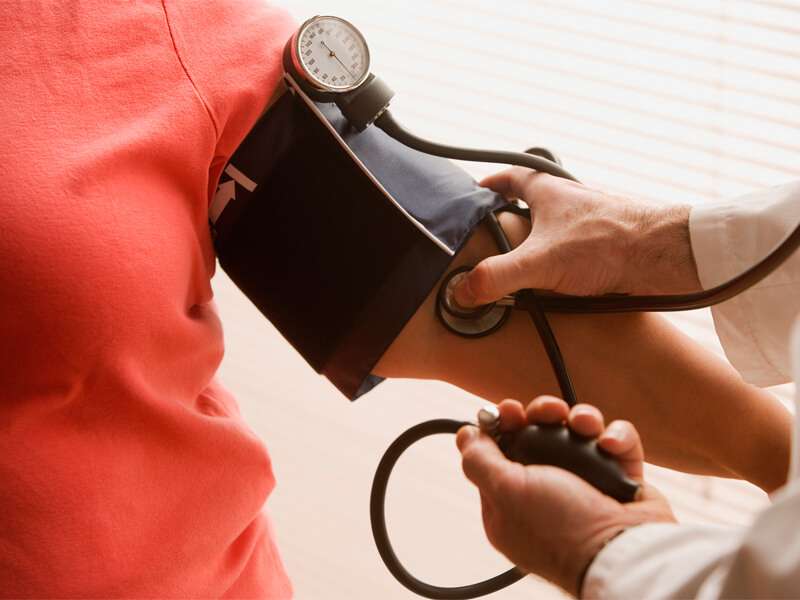
Hypertension, or high blood pressure, is a common condition that can lead to serious health issues if not managed properly. It is often referred to as the 'silent killer' because many individuals may not experience noticeable symptoms.
- Symptoms: Most people with hypertension do not exhibit symptoms; however, some may experience headaches or vision problems.
- Causes: Factors contributing to hypertension include genetics, poor diet, lack of physical activity, and excessive alcohol consumption.
- Diagnosis: Blood pressure is measured using a sphygmomanometer during a routine check-up. Consistent readings above 130/80 mmHg may indicate hypertension.
- Treatment: Management typically involves lifestyle changes such as diet modifications and increased exercise. In some cases, medications like diuretics or ACE inhibitors may be prescribed.
- What to Expect: With proper management and lifestyle adjustments, individuals can lead healthy lives while keeping their blood pressure in check.
Regular monitoring and consultations are crucial for effective management of this condition.