
Dr Smile Dental Care
About Me
Dr Smile Dental Care
MBBS
General Physician
10 Years Experience
Biography
My Clinic
OPD Hours
| Monday | Morning | 10:00 AM | - | 02:00 PM |
| Evening | 06:00 PM | - | 09:00 PM | |
| Tuesday | Morning | 10:00 AM | - | 02:00 PM |
| Evening | 06:00 PM | - | 09:00 PM | |
| Wednesday | Morning | 10:00 AM | - | 02:00 PM |
| Evening | 06:00 PM | - | 09:00 PM | |
| Thursday | Morning | 10:00 AM | - | 02:00 PM |
| Evening | 06:00 PM | - | 09:00 PM | |
| Friday | Morning | 10:00 AM | - | 02:00 PM |
| Evening | 06:00 PM | - | 09:00 PM | |
| Saturday | Morning | 10:00 AM | - | 02:00 PM |
| Evening | 06:00 PM | - | 09:00 PM | |
| Sunday | Morning | 10:00 AM | - | 02:00 PM |
| Evening | 06:00 PM | - | 09:00 PM |
Treatments
Specialised care and treatments offered
ALLERGIC REACTIONS

An allergic reaction occurs when the immune system reacts adversely to normally harmless substances. Recognizing symptoms early can mitigate serious complications associated with allergies.
- Symptoms: The range can vary from mild hives & sneezing up through serious indicators like swelling throat making breathing difficult !< l i C aus es :M ost frequently allergens ranging across foods,pollen,dust mites,rather than some medications trigger these responses maxing out sensitivity levels!D iagno sis :P atient history specifics coupled w/possible skin /blood testing assesses timely cadence offering reasonable insights here!
PNEUMONIA

Pneumonia is an inflammatory condition affecting the air sacs in one or both lungs. Understanding pneumonia helps patients recognize symptoms early and seek treatment promptly.
- Symptoms: Common signs include chest pain during breathing or coughing , fever , chills , fatigue , alongside difficulty breathing .
- Causes: Infections caused by bacteria , viruses , or fungi commonly lead into pneumonia development ; health status plays an influential role here too .
- Diagnosis: Chest X-rays paired with sputum tests ascertain both type & cause enhancing treatment efforts distinctly .
- Treatment: Antibiotics treat bacterial pneumonia effectively whereas antiviral medicines serve viral types ; additional care may involve rest & fluids intake .
A prompt visit upon experiencing concerning respiratory issues ensures timely interventions maximizing recovery chances from pneumonia!
ACUTE GASTROENTERITIS

This condition involves inflammation of the stomach and intestines leading to symptoms like diarrhea and vomiting. It’s often caused by infections but understanding its nature can aid in quick recovery.
- Symptoms: Diarrhea, vomiting, abdominal cramps, fever, and dehydration may occur suddenly after infection begins.
- Causes:? Viral pathogens are common culprits; bacteria and parasites can also be responsible for this illness.
- Diagnosis :Focus on clinical history together with supportive tests when necessary helps identify severe cases requiring extra attention .
- Treatment : Supporting care includes hydration through fluids; sometimes anti-nausea medication may be advised .
- What to expect : Most cases resolve within days , but persistent symptoms warrant further evaluation by healthcare providers .
Staying hydrated is key while managing acute gastroenteritis; don’t hesitate in contacting your doctor if symptoms worsen .
ASTHMA
Asthma is a chronic lung disease that inflames and narrows the airways. Understanding asthma can empower patients to manage their condition effectively.
- Symptoms: Wheezing, coughing (especially at night), chest tightness, and shortness of breath are typical signs of asthma flare-ups.
- Causes: Triggers vary widely; common ones include allergens, pollution, exercise, and respiratory infections.
- Diagnosis: Lung function tests such as spirometry assess how well your lungs work to diagnose asthma accurately.
- Treatment: Medication options include inhalers (both rescue and maintenance) tailored to individual needs based on severity and frequency of episodes.
An effective asthma management plan enables individuals to lead a normal life while minimizing attacks and associated risks.
DIABETES MELLITUS

Diabetes Mellitus is a chronic condition marked by elevated levels of glucose in the blood. It's crucial for patients to understand how this condition affects their body and what they can do about it.
- Symptoms: Increased thirst, frequent urination, extreme fatigue, and blurred vision are common indicators.
- Causes: It results from either insufficient insulin production or resistance to insulin's effects in the body.
- Diagnosis: Blood tests such as fasting glucose or HbA1c levels help confirm diabetes diagnosis.
- Treatment: Management typically involves lifestyle modifications combined with insulin therapy or oral medications.
- What to expect: Regular monitoring of blood sugar levels is vital for managing diabetes effectively over time.
A proactive approach can significantly improve quality of life for those diagnosed with Diabetes Mellitus.
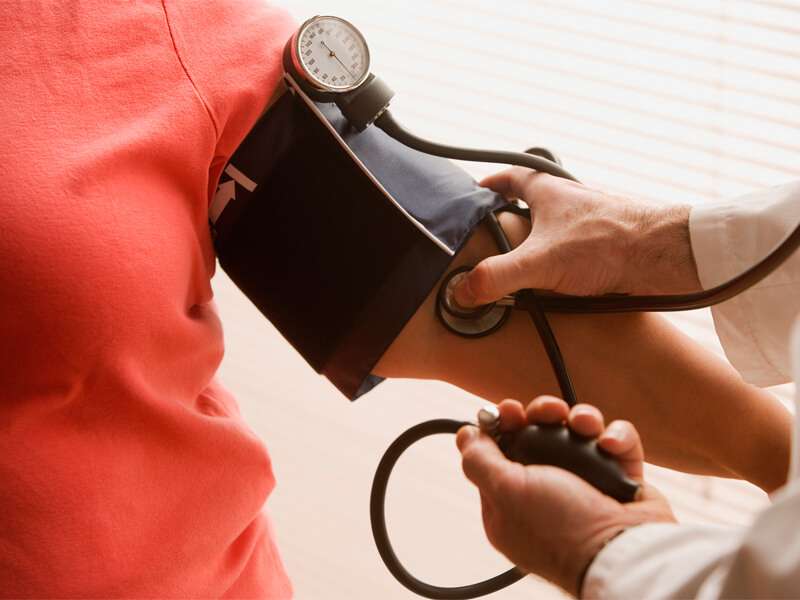
HYPERTENSION
Hypertension, commonly known as high blood pressure, is a condition where the force of the blood against the artery walls is consistently too high. This condition can lead to serious health complications if left unmanaged.
- Symptoms: Often silent, but may include headaches, shortness of breath, or nosebleeds.
- Causes: Can be primary (developing gradually) or secondary (due to underlying conditions).
- Diagnosis: Blood pressure measurements taken during regular check-ups are crucial for identifying hypertension.
- Treatment: Lifestyle changes such as diet and exercise, along with medications like diuretics or ACE inhibitors, can help manage blood pressure.
- What to expect: Routine monitoring and adjustment of treatment plans are essential for effective management.
If you suspect you have high blood pressure, seeking medical advice promptly is important to prevent complications.