
Dr Singh Clinic
About Me
Dr Singh Clinic
MBBS
Dermatologist
10 Years Experience
Biography
My Clinic
OPD Hours
| Monday | Morning | 10:00 AM | - | 02:00 PM |
| Evening | 06:00 PM | - | 09:00 PM | |
| Tuesday | Morning | 10:00 AM | - | 02:00 PM |
| Evening | 06:00 PM | - | 09:00 PM | |
| Wednesday | Morning | 10:00 AM | - | 02:00 PM |
| Evening | 06:00 PM | - | 09:00 PM | |
| Thursday | Morning | 10:00 AM | - | 02:00 PM |
| Evening | 06:00 PM | - | 09:00 PM | |
| Friday | Morning | 10:00 AM | - | 02:00 PM |
| Evening | 06:00 PM | - | 09:00 PM | |
| Saturday | Morning | 10:00 AM | - | 02:00 PM |
| Evening | 06:00 PM | - | 09:00 PM | |
| Sunday | Morning | 10:00 AM | - | 02:00 PM |
| Evening | 06:00 PM | - | 09:00 PM |
Treatments
Specialised care and treatments offered
SEBORRHEIC DERMATITIS
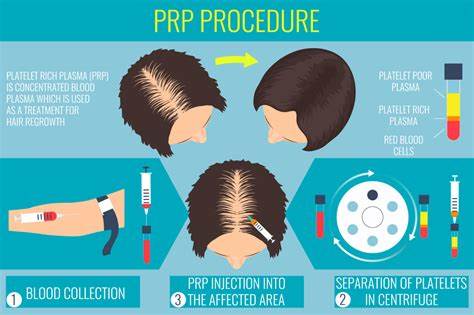
A common inflammatory condition affecting oil-rich areas like scalp or face causes greasy scales accompanied by redness and mild itchiness. It can appear in infants (cradle cap) or adults alike.
VITILIGO TREATMENT
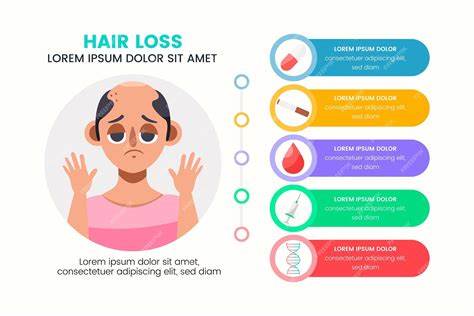
This pigment disorder causes loss of melanin leading to white patches on various body parts. Coping with vitiligo involves managing cosmetic concerns alongside medical care options aimed at repigmentation or stabilization.
MELANOMA SCREENING
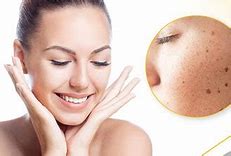
A heightened awareness for melanoma detection aids in early diagnosis of this serious type of skin cancer originating from pigment-producing cells. Early identification saves lives.
- Cue symptoms & risks: New or changing moles especially asymmetrical shapes or irregular borders raise suspicion; risk factors include UV exposure and family history.
- The screening process involves: Detailed skin examination under dermoscopy by dermatologists trained in identifying suspicious lesions.
- If suspicious findings appear: A biopsy will provide definite tissue diagnosis confirming malignancy or benignity status.
- Efficacy of early intervention: Early removal before invasion dramatically improves survival rates compared with advanced stages requiring extensive treatment.
ATOPIC DERMATITIS (ECZEMA)
This inflammatory skin disorder mainly affects children but can continue into adulthood. It causes dry, itchy patches that may become red or crusted due to scratching.
- Main signs & causes: Chronic itching, redness, dry flaky skin often linked to genetic factors and environmental allergens.
- Eczema diagnosis: Identification depends on clinical history combined with symptom observation; allergy testing might assist in certain cases.
- Treatment approaches: Regular use of emollients hydrates the skin; corticosteroid creams reduce inflammation during flare-ups.
- Avoidance tips: Steering clear of irritants such as harsh soaps or allergens is essential for preventing worsening conditions.
The focus is on soothing the skin barrier while minimizing itchiness to improve quality of life for affected individuals throughout their lifetime.
PSORIASIS
Psoriasis is a chronic autoimmune condition that results in rapid buildup of skin cells causing scaling and inflammation. It commonly appears as red patches with silvery scales.
- Symptoms & triggers: Patients usually notice thickened plaques on elbows, knees, scalp; flare-ups can be triggered by stress or infections.
- How it's diagnosed: Clinical assessment by a dermatologist through physical exam; sometimes biopsy confirms the diagnosis.
- Treatment methods: Options include topical corticosteroids, vitamin D analogs, phototherapy, and systemic medications for severe forms.
- Lifestyle measures: Moisturizing regularly and avoiding known triggers help control symptoms.
Lifelong management often involves adjusting therapies to minimize flares while maintaining skin comfort and appearance.
ACNE VULGARIS
Acne vulgaris is a common skin condition affecting many adolescents and adults, characterized by persistent pimples and clogged pores. Understanding acne helps in managing symptoms effectively.
- Symptoms and causes: It presents as blackheads, whiteheads, pimples, or cysts due to clogged hair follicles from excess oil and dead skin cells; hormonal changes often trigger it.
- Diagnosis: Diagnosis is primarily clinical, relying on visual examination of affected areas such as the face, back, and chest.
- Treatment options: Mild cases may benefit from over-the-counter cleansers containing salicylic acid or benzoyl peroxide; moderate to severe acne might require topical retinoids, antibiotics, or hormonal therapy.
- Management strategies: Avoiding heavy makeup and regular gentle cleansing can improve outcomes; lifestyle factors like diet may also play a role.
- What to expect: Improvement typically occurs over weeks; treatment adherence is key to prevent scarring and recurrence.
Ahead with proper skincare routines and treatments tailored to the severity of acne can help regain clearer skin and boost confidence.