
Dr Shyam S Kach
About Me
Dr Shyam S Kach
MS
Orthopaedic Surgeons
10 Years Experience
Biography
My Clinic
OPD Hours
| Monday | Morning | 10:00 AM | - | 02:00 PM |
| Evening | 06:00 PM | - | 09:00 PM | |
| Tuesday | Morning | 10:00 AM | - | 02:00 PM |
| Evening | 06:00 PM | - | 09:00 PM | |
| Wednesday | Morning | 10:00 AM | - | 02:00 PM |
| Evening | 06:00 PM | - | 09:00 PM | |
| Thursday | Morning | 10:00 AM | - | 02:00 PM |
| Evening | 06:00 PM | - | 09:00 PM | |
| Friday | Morning | 10:00 AM | - | 02:00 PM |
| Evening | 06:00 PM | - | 09:00 PM | |
| Saturday | Morning | 10:00 AM | - | 02:00 PM |
| Evening | 06:00 PM | - | 09:00 PM | |
| Sunday | Morning | 10:00 AM | - | 02:00 PM |
| Evening | 06:00 PM | - | 09:00 PM |
Treatments
Specialised care and treatments offered
SCOLIOSIS SCREENING
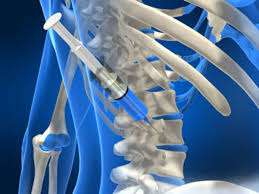
Scoliosis is characterized by an abnormal curvature of the spine; early detection through regular screening is vital for effective management and treatment options available today have improved considerably over recent years.
- Identifying characteristics: Symptoms often manifest as uneven shoulders or hips; some individuals may experience back pain later in life if left unchecked.
- Screening techniques: Routine school screenings along with periodic evaluations by healthcare professionals aid timely identification during growth spurts.
- Current treatments available: Depending on severity stage interventions might range from observation in mild cases to bracing strategies until skeletal maturity; surgical options could be considered if curves worsen dramatically over time.
The focus remains on preserving spinal health throughout developmental years leading into adulthood ensuring maximal quality living standards ultimately achieved well beyond corrective measures alone!
PREVENTIVE MEASURES FOR HIP DYSPLASIA
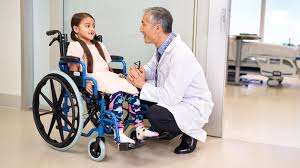
The hip joint should fit snugly within its socket; however, hip dysplasia occurs when this fitting isn’t normal. Early detection is crucial for effective management of this condition which primarily affects infants but can persist into adulthood if unaddressed.
- Causal factors: Genetic predisposition along with environmental influences such as premature birth are known contributors to hip dysplasia’s development.
- Symptoms: Signs can include uneven leg lengths and limping during walking among older children or adults.
- Diagnosis methods: Physical exams combined with imaging techniques like ultrasounds help ascertain hip socket depth.
- Management strategies: Treatment typically begins conservatively through guided physiotherapy but may require surgical intervention if conservative tactics fail.
Proactive monitoring during growth stages enhances positive outcomes in functioning abilities through early interventions related to this disorder.
CARPAL TUNNEL SYNDROME TREATMENT

This condition arises from compression of the median nerve as it passes through the wrist's carpal tunnel, causing discomfort in the hand and fingers.
- Main symptoms: Typical signs include tingling sensations in fingers, hand weakness, especially in gripping objects, and numbness that may extend up the arm at night.
- How it's diagnosed: Diagnosis usually involves a clinical assessment focusing on symptoms along with nerve conduction studies if necessary.
- Treatment options available: Conservative treatments may include wrist splints during sleep while corticosteroid injections can reduce inflammation. In severe cases, surgical decompression might be recommended to relieve pressure on the nerve.
Seeking early treatment helps reduce long-term nerve damage; therefore awareness of symptoms is key for prompt management.
FRACTURE CARE

A fracture occurs when there is a break in the continuity of a bone. This can happen due to trauma or underlying conditions that weaken bones.
- Symptoms: Common signs include sudden pain, swelling, bruising, and difficulty using the affected limb normally.
- Diagnosis methods: A healthcare provider will typically perform a physical examination and may request X-rays to confirm the fracture type and severity.
- Treatment options: Management varies based on fracture type; it may involve immobilization with splints or casts, medication for pain relief, or surgery for more complex cases.
- Recovery expectations: Healing times vary but generally require several weeks depending on factors like age and fracture location. Follow-up appointments are important to ensure proper healing.
Proper care and adherence to recovery protocols are essential components of regaining full function following a fracture.
SPORTS INJURIES PREVENTION

Sports injuries often result from overuse or acute trauma during physical activity. Understanding how to prevent these injuries is essential for athletes at all levels.
- Common causes: Overtraining or improper techniques can lead to strains or sprains. Additionally, inadequate warm-up routines increase injury risk.
- Signs of injury: Look out for persistent pain, swelling, or limited range of motion after physical activity.
- Preventive measures: Incorporate strength training and flexibility exercises into your routine. A proper warm-up before activities is vital in minimizing risks.
- Long-term management: Regular screenings can help detect potential issues before they become serious injuries, allowing for timely intervention.
Implementing preventive strategies not only reduces injury incidence but also promotes overall athletic performance.
OSTEOARTHRITIS MANAGEMENT

Osteoarthritis is a degenerative joint disease that commonly affects the knees, hips, and hands. It occurs when the cartilage cushioning the joints wears down over time, leading to pain and stiffness.
- Symptoms: Common indicators include joint pain during or after movement, stiffness after periods of inactivity, and swelling around the affected area.
- Diagnosis: Healthcare providers often conduct physical examinations, review medical history, and may use X-rays or MRIs to confirm osteoarthritis.
- Treatment options: Management may include lifestyle changes such as weight loss and low-impact exercises. Medications like NSAIDs can help relieve pain, while physical therapy may improve joint function.
- What to expect: While osteoarthritis is a chronic condition with no cure, proper management can significantly enhance quality of life by reducing symptoms and maintaining mobility.
Understanding your condition is crucial for effective management; regular check-ups are essential to monitor progress.