
Dr Shyam Dhalia
About Me
Dr Shyam Dhalia
MS
Orthopaedic Surgeons
10 Years Experience
Biography
My Clinic
OPD Hours
| Monday | Morning | 10:00 AM | - | 02:00 PM |
| Evening | 06:00 PM | - | 09:00 PM | |
| Tuesday | Morning | 10:00 AM | - | 02:00 PM |
| Evening | 06:00 PM | - | 09:00 PM | |
| Wednesday | Morning | 10:00 AM | - | 02:00 PM |
| Evening | 06:00 PM | - | 09:00 PM | |
| Thursday | Morning | 10:00 AM | - | 02:00 PM |
| Evening | 06:00 PM | - | 09:00 PM | |
| Friday | Morning | 10:00 AM | - | 02:00 PM |
| Evening | 06:00 PM | - | 09:00 PM | |
| Saturday | Morning | 10:00 AM | - | 02:00 PM |
| Evening | 06:00 PM | - | 09:00 PM | |
| Sunday | Morning | 10:00 AM | - | 02:00 PM |
| Evening | 06:00 PM | - | 09:00 PM |
Treatments
Specialised care and treatments offered
SPINAL DISC HERNIATION
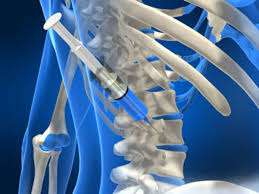
A spinal disc herniation occurs when a disc's inner gel pushes out through its outer covering due to age-related changes or injury. This issue commonly affects individuals engaged in heavy lifting or those with sedentary lifestyles contributing significantly towards lower back pain experiences across various demographics including middle-aged adults。
- Symptoms : Symptoms often manifest as localized back pain radiating down one leg which might accompany tingling sensations along with muscle weakness depending upon affected nerve pathways.
- Diagnosis Approach : Diagnosis generally entails comprehensive evaluations involving detailed medical histories coupled alongside advanced imaging methodologies such as MRIs identifying specific location/extent involved within discs' compromise respectively .
- Treatment Plan : Conventional treatments encompass anti-inflammatory medications , physiotherapy aimed at enhancing lumbar stability , while surgical depictions become warranted only under persistent symptomatology despite documented conservative attempts .
Early identification provides promising prospects regarding successful outcomes thus emphasizing vigilance surrounding prevailing issues precluding further degenerative complications which could arise later down line .
HIP IMPINGEMENT (FEMOROACETABULAR IMPINGEMENT)

Hip impingement occurs when there is abnormal contact between the hip bone (femur) and hip socket (acetabulum), leading to pain during movements. This condition frequently affects younger active adults who engage in sports involving high degrees of hip flexion like soccer or dance.
- Symptoms: Patients commonly report hip pain during prolonged sitting or standing as well as stiffness that limits range of motion over time.
- Diagnosis methods: Diagnosis typically involves a detailed physical examination along with imaging modalities such as an MRI for identifying structural abnormalities related to impingement issues。
Through effective diagnosis and tailored treatment plans including physiotherapy sessions supplemented by potential surgery if conservative measures fail,hip impingement management is key toward restoring mobility。
ANKLE FRACTURE

An ankle fracture refers to a break in one or more bones that make up the ankle joint. These fractures commonly occur during sports activities or falls and can vary significantly in severity from hairline fractures to complete breaks requiring surgery.
- Symptoms: Signs include intense pain immediately following an injury, swelling around the ankle area, bruising as well as difficulty moving the foot.
- Diagnosis process: Healthcare practitioners will typically perform physical examinations followed by X-rays or CT scans to ascertain fracture detail accurately.
- Treatment options: Depending on complexity, treatment might involve immobilization using casts or boots for stable fractures while surgical intervention is required for severely displaced fractures.
Ankle fractures require prompt treatment for optimal healing outcomes followed by rehabilitation exercises to restore function effectively.
CARPAL TUNNEL SYNDROME

This condition occurs when the median nerve gets compressed as it passes through the carpal tunnel in the wrist. Carpal tunnel syndrome is prevalent among individuals who perform repetitive wrist movements and can lead to significant discomfort if left untreated.
- Symptoms: Typical symptoms include tingling sensations in the fingers, numbness at night, and weakness in hand grip strength.
- Diagnosis: A healthcare provider will assess symptoms through clinical examinations alongside nerve conduction studies to confirm nerve involvement.
- Treatment methods: Options usually consist of wrist splinting at night, anti-inflammatory medications, steroid injections for swelling reduction, or surgical release if symptoms persist.
A proactive approach towards managing carpal tunnel syndrome can lead to improved function and decreased pain over time while engaging in daily activities.
ROTATOR CUFF INJURY

A rotator cuff injury involves damage to the group of muscles and tendons that stabilize the shoulder joint. This type of injury is common among athletes and those who engage in repetitive overhead activities but can also result from aging or accidents.
- Causes: These injuries usually stem from acute trauma or chronic degeneration due to repetitive strain on the shoulder.
- Symptoms: Patients may experience pain during movement, weakness in the shoulder, and difficulty sleeping on the affected side.
- Diagnosis: A comprehensive assessment includes a physical examination along with imaging techniques like MRI or ultrasound to evaluate the extent of damage.
- Treatment options: Initial management includes rest, ice application, and physical therapy; however, surgery may be necessary for more severe cases.
By understanding rotator cuff injuries better, patients can take strides toward optimal recovery with effective rehabilitation strategies.
KNEE OSTEOARTHRITIS

Knee osteoarthritis is a degenerative joint disease that affects millions of individuals globally. It often occurs due to wear and tear of the cartilage that cushions the knee joint, typically seen in older adults but can also affect younger individuals due to prior injuries or overuse.
- Symptoms: Common symptoms include stiffness, swelling, and pain, particularly after extended periods of inactivity.
- Diagnosis: Physicians usually diagnose this condition through a combination of medical history, physical examination, and imaging tests such as X-rays.
- Treatment options: Management may involve lifestyle changes, physical therapy, medications for pain relief, and in severe cases, surgical interventions like knee arthroplasty.
- What to expect: Patients can expect gradual improvement with appropriate management strategies and should remain proactive in maintaining joint health.
Understanding this condition is essential for achieving better outcomes through timely diagnosis and personalized treatment plans.