
DR Shweta Nigam
About Me
DR Shweta Nigam
MBBS
Dermatologist
10 Years Experience
Biography
My Clinic
OPD Hours
| Monday | Morning | 10:00 AM | - | 02:00 PM |
| Evening | 06:00 PM | - | 09:00 PM | |
| Tuesday | Morning | 10:00 AM | - | 02:00 PM |
| Evening | 06:00 PM | - | 09:00 PM | |
| Wednesday | Morning | 10:00 AM | - | 02:00 PM |
| Evening | 06:00 PM | - | 09:00 PM | |
| Thursday | Morning | 10:00 AM | - | 02:00 PM |
| Evening | 06:00 PM | - | 09:00 PM | |
| Friday | Morning | 10:00 AM | - | 02:00 PM |
| Evening | 06:00 PM | - | 09:00 PM | |
| Saturday | Morning | 10:00 AM | - | 02:00 PM |
| Evening | 06:00 PM | - | 09:00 PM | |
| Sunday | Morning | 10:00 AM | - | 02:00 PM |
| Evening | 06:00 PM | - | 09:00 PM |
Treatments
Specialised care and treatments offered
HAIR LOSS (ALOPECIA AREATA) COUNSELING & SUPPORT
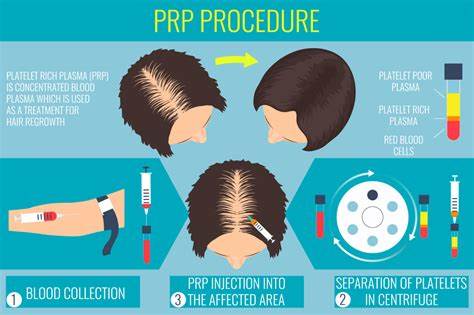
Alopecia areata causes sudden patchy hair loss due to autoimmune attack on hair follicles. The course varies widely from spontaneous recovery to persistent bald spots requiring ongoing management strategies focused on support rather than cure alone presently available options help modulate immune response temporarily slowing progression in some cases but psychological impact remains important consideration overall patient-centered care addresses both physical symptoms AND emotional wellbeing thoroughly!
- The exact cause involves an autoimmune mechanism triggering follicle disruption though triggers sometimes relate to stress or genetics impacting severity unpredictably .
SEBORRHEIC DERMATITIS MANAGEMENT
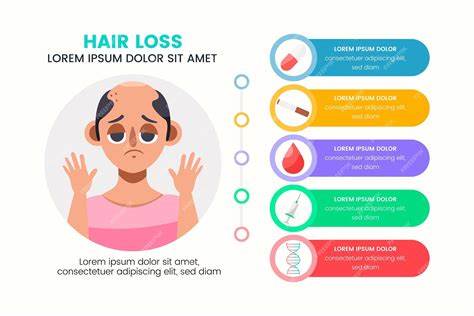
Seborrheic dermatitis is an inflammatory skin disorder affecting oily areas like the scalp, face sides, eyebrows causing redness, scaling, and itching. Although chronic in nature it can be managed effectively with appropriate strategies.
- The underlying causes include Malassezia yeast overgrowth combined with individual susceptibility leading to inflammation in sebaceous gland-rich regions.
- A diagnosis primarily depends on recognizing typical flaky patches along with mild erythema in classic locations such as scalp or nasolabial folds.
- Treatments generally consist of medicated shampoos containing ketoconazole or selenium sulfide PLUS topical antifungal creams to reduce yeast burden alongside anti-inflammatory agents if needed during flares.
- Lifestyle recommendations include regular cleansing routines avoiding excessive use of oils that exacerbate symptoms further helping control relapses effectively over time without aggressive therapies needed most times!
This balanced approach fosters symptom control improving comfort while maintaining healthy skin barrier function daily long-term care remains vital for success!
MELASMA PIGMENTATION CONTROL
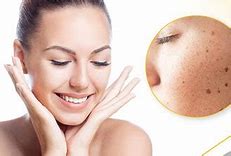
Melasma presents as brownish patches primarily on sun-exposed areas of the face due to increased melanin production. It is more common among women and often linked with hormonal changes like pregnancy or oral contraceptive use.
- The condition arises from excessive sun exposure, hormonal influences, and genetic susceptibility contributing to pigment production imbalance.
- A thorough clinical examination rules out other pigmentation disorders for accurate diagnosis.
- Treatment emphasizes strict photoprotection using broad-spectrum sunscreens alongside topical agents such as hydroquinone or azelaic acid to lighten hyperpigmented areas gradually.
- Avoidance of triggering factors including UV rays helps maintain improvements achieved through treatment regimens lasting several weeks to months.
Diligent care enhances cosmetic appearance while preventing recurrence over time with persistent sun protection measures being key.
PSORIASIS LIFESTYLE & TOPICAL TREATMENT
Psoriasis is an autoimmune condition where skin cells multiply rapidly resulting in thickened red patches covered with silvery scales. It's a lifelong disease marked by periods of remission and flare-ups.
- The exact cause involves immune system dysfunction influenced by genetic factors and environmental triggers such as stress or infections.
- A diagnosis is made clinically supported by the characteristic appearance of plaques on areas like elbows, knees, scalp.
- Treatments include topical corticosteroids, vitamin D analogues along with lifestyle changes like stress management and moisturizing regimens to soothe skin dryness.
- Mild cases can benefit greatly from non-invasive approaches before systemic treatments are considered for severe forms.
An individualized care plan focusing on symptom relief while minimizing side effects ensures better disease control over time.
ATOPIC DERMATITIS (ECZEMA) CARE
Atopic dermatitis is a chronic inflammatory skin disorder marked by itchy, red patches that may become dry or cracked. It commonly affects children but can continue or start in adulthood.
- The cause involves genetic predisposition combined with environmental triggers like allergens or irritants.
- An experienced dermatologist diagnoses it through clinical evaluation of symptoms and pattern recognition.
- Treatment focuses on moisturizing regularly, avoiding harsh soaps, and applying topical corticosteroids or calcineurin inhibitors for flare-up control.
- Avoidance of known triggers including certain fabrics or soaps helps reduce frequency of episodes.
- Patient education about skincare routines is essential for long-term management.
This approach significantly improves quality of life by reducing discomfort and preventing complications such as infections from scratching.
ACNE VULGARIS MANAGEMENT
Acne vulgaris is a common skin condition characterized by clogged hair follicles leading to pimples, blackheads, and sometimes cysts. It mainly affects the face, chest, and back and typically occurs during adolescence but can persist into adulthood.
- Causes include excess oil production, bacteria proliferation, hormonal changes, and clogged pores.
- Diagnosis is clinical based on the appearance and distribution of lesions.
- Treatment often involves topical retinoids, antibiotics, or benzoyl peroxide to reduce inflammation and bacteria.
- Lifestyle adjustments such as gentle skin cleansing, avoiding oil-based cosmetics, and balanced diet play a crucial role in management.
- Long-term care helps prevent scarring and pigmentation issues.
With proper adherence to treatment plans and skincare routines, acne can be effectively controlled to improve skin health and confidence.