
Dr Shubhit Saran Clinics
About Me
Dr Shubhit Saran Clinics
MS
Cardiothorocic Surgeon
10 Years Experience
Biography
My Clinic
OPD Hours
| Monday | Morning | 10:00 AM | - | 02:00 PM |
| Evening | 06:00 PM | - | 09:00 PM | |
| Tuesday | Morning | 10:00 AM | - | 02:00 PM |
| Evening | 06:00 PM | - | 09:00 PM | |
| Wednesday | Morning | 10:00 AM | - | 02:00 PM |
| Evening | 06:00 PM | - | 09:00 PM | |
| Thursday | Morning | 10:00 AM | - | 02:00 PM |
| Evening | 06:00 PM | - | 09:00 PM | |
| Friday | Morning | 10:00 AM | - | 02:00 PM |
| Evening | 06:00 PM | - | 09:00 PM | |
| Saturday | Morning | 10:00 AM | - | 02:00 PM |
| Evening | 06:00 PM | - | 09:00 PM | |
| Sunday | Morning | 10:00 AM | - | 02:00 PM |
| Evening | 06:00 PM | - | 09:00 PM |
Treatments
Specialised care and treatments offered
CARDIAC CATHETERIZATION
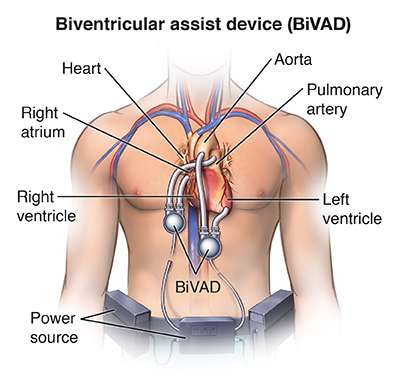
This minimally invasive diagnostic procedure assesses heart function and structure by inserting a thin catheter into the coronary arteries. Cardiac catheterization helps identify blockages causing heart-related symptoms such as chest pain and shortness of breath.
- Primary Indicators : Typical symptoms prompting this evaluation include unexplained fatigue , discomfort during exertion , lightheadedness among other signs relating directly towards circulatory deficiencies impacting overall well-being .
- Diagnostic Techniques : Involves using fluoroscopy alongside various cardiac imaging strategies forming comprehensive views enabling accurate diagnoses correlating findings visually upon completion targeting necessary interventions thereafter leading forth empowering treatment selection accordingly . 该项目可用于评估心血管健康状况,提供有关主动脉和冠状动脉流量重要信息的基础之上,受益于与其他风险因素配合的持续管理计划。
- Treatment Planning :可以基于此产生的结果制定个性化护理项目,同时可以在手术后进行必要调整确保预期目标达到最大效果 。
>>成功的心导管检查不断帮助开发患者需求类别以潜在方式改善生活质量与后续治疗积极相关联而努力 。
THORACIC OUTLET SYNDROME SURGERY
Thoracic Outlet Syndrome (TOS) occurs when blood vessels or nerves are compressed in the thoracic outlet area. Surgical intervention aims at relieving this pressure effectively when conservative measures fail to yield results after thorough evaluation.
- - Main Symptoms: Individuals might experience numbness in fingers, shoulder pain, or circulation issues indicating vascular involvement due to compression within tight spaces between bones and muscles in this region. - Diagnosis : Enhanced imaging modalities like MRIs help visualize anatomical structures contributing towards TOS manifestations leading up to surgical recommendations if conservative methods fall short after completion .
- - Treatment Approaches : Decompression techniques involve removing extra ribs which contribute towards compression alongside rehabilitative therapies aiming at strengthening surrounding muscle groups .
- - Post-Surgical Management : Rehabilitation ensures gradual improvement following surgery minimizing complications encountered post-offer .
Effective management improves mobility restoring functional capabilities ensuring quality living therein making TOS manageable well into future periods thereafter maintaining independence throughout daily endeavors .
LUNG RESECTION
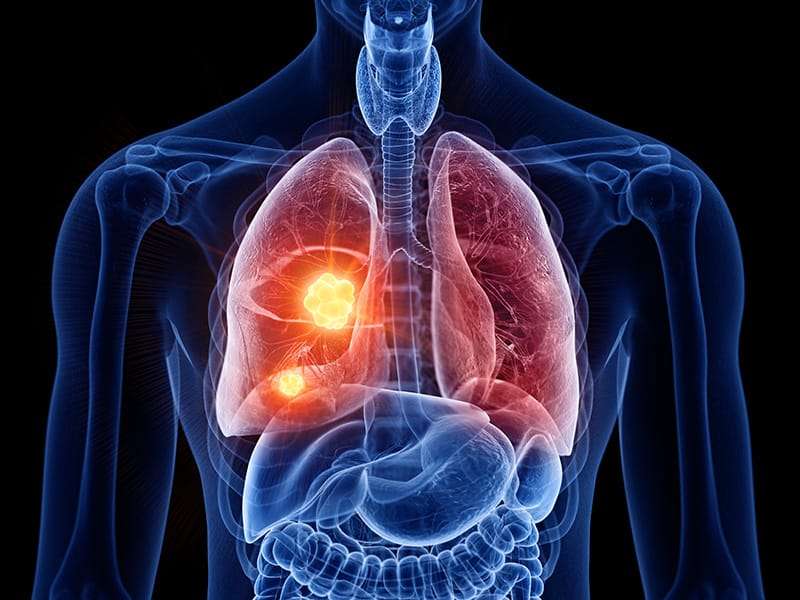
Lung resection refers to surgical procedures aiming to remove portions of lung tissue affected by various diseases, including cancer. This intervention is vital in treating localized lung issues while preserving as much healthy tissue as possible.
- Common Signs: Identification often follows symptoms like persistent cough, unexplained weight loss, or difficulty breathing that necessitate further evaluation.
- Diagnostic Evaluation: Imaging studies along with biopsies assist in determining whether surgery is appropriate based on tumor size and location.
- Surgical Approaches: Options can include lobectomy or wedge resection depending on how much lung tissue needs removal. Minimally invasive techniques may also be available for some cases.
This procedure plays an integral role in managing lung diseases effectively while striving for optimal recovery outcomes through targeted interventions in affected areas.
AORTIC ANEURYSM REPAIR
An aortic aneurysm occurs when a section of the aorta weakens and bulges. Repairing an aneurysm is crucial as it poses risks such as rupture or dissection that could be life-threatening.
- Indicators: Symptoms might be absent but can include back pain or pulsating sensations near the abdomen when present.
- Diagnosis Techniques: Imaging tests like ultrasounds or CT scans reveal the size and location of the aneurysm.
- Treatment Solutions: Surgical options include open repair or endovascular stent grafts that provide less invasive alternatives depending on individual cases.
- Recovery Timeline: Recovery duration varies; monitoring is essential post-surgery for managing any complications that might arise.
Aortic aneurysm repair is vital for preventing catastrophic events associated with untreated aneurysms and enhancing patient safety.
VALVE REPLACEMENT SURGERY
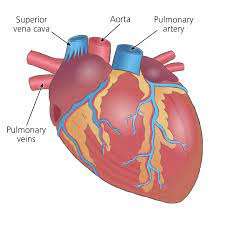
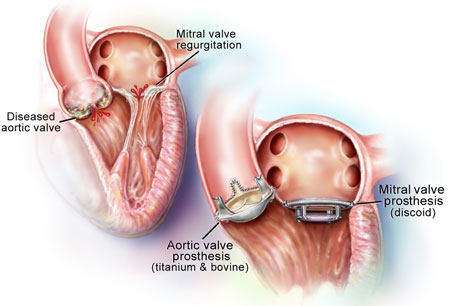
Valve replacement surgery is performed to correct problems with heart valves that may cause serious health issues. This procedure can address both stenosis (narrowing) and regurgitation (leakage) conditions affecting the heart's ability to pump effectively.
- Symptoms: Common signs include fatigue, palpitations, and shortness of breath during physical activity.
- Diagnostic Procedures: Echocardiograms, MRIs, or CT scans help assess valve function and the extent of damage.
- Treatment Methods: Depending on severity, options include mechanical or biological valve replacements. Minimally invasive techniques are also available for eligible candidates.
- Post-Operative Care: Patients will undergo monitoring in a hospital setting before transitioning to home care with regular follow-ups for optimal recovery.
This surgery aims to restore normal heart function and improve overall health outcomes for affected individuals.
CORONARY ARTERY BYPASS GRAFTING (CABG)
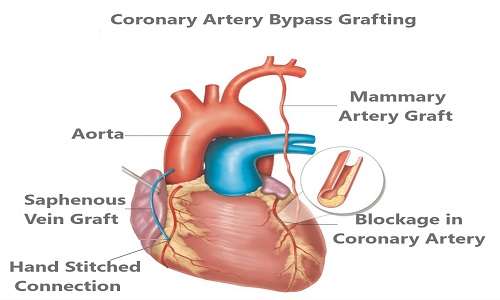
Coronary Artery Bypass Grafting (CABG) is a surgical procedure aimed at improving blood flow to the heart. It involves creating a new path for blood to bypass blocked or narrowed arteries, thereby alleviating symptoms of coronary artery disease.
- Symptoms: Patients often experience chest pain, shortness of breath, and fatigue due to reduced blood flow.
- Diagnosis: Diagnosis typically involves imaging tests such as coronary angiography or stress testing to assess the severity of artery blockages.
- Treatment Options: Besides CABG, patients may also consider lifestyle changes, medications, and angioplasty as alternatives based on their condition.
- Recovery Expectations: Post-surgery, patients can expect a hospital stay of several days followed by weeks of recovery at home.
Successful CABG significantly enhances the quality of life and can lead to longer-term survival in patients with severe coronary artery disease.