
Dr Shubhangi Mestry
About Me
Dr Shubhangi Mestry
Dermatologist
Biography
My Clinic
OPD Hours
| Tuesday | Morning | 10:00 AM | - | 02:00 PM |
| Evening | 06:00 PM | - | 09:00 PM | |
| Wednesday | Morning | 10:00 AM | - | 02:00 PM |
| Evening | 06:00 PM | - | 09:00 PM | |
| Thursday | Morning | 10:00 AM | - | 02:00 PM |
| Evening | 06:00 PM | - | 09:00 PM | |
| Friday | Morning | 10:00 AM | - | 02:00 PM |
| Evening | 06:00 PM | - | 09:00 PM | |
| Saturday | Morning | 10:00 AM | - | 02:00 PM |
| Evening | 06:00 PM | - | 09:00 PM | |
| Sunday | Morning | 10:00 AM | - | 02:00 PM |
| Evening | 06:00 PM | - | 09:00 PM | |
| Thursday | Morning | 10:00 AM | - | 02:00 PM |
| Evening | 06:00 PM | - | 09:00 PM |
Treatments
Specialised care and treatments offered
SKIN CANCER SCREENING
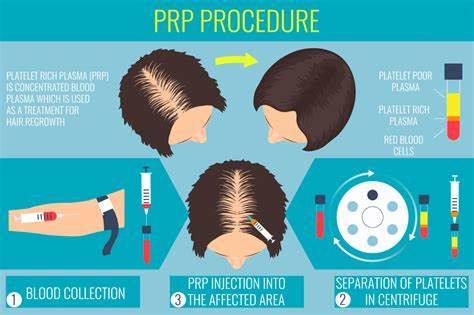
This proactive approach involves regular examinations to identify early signs of skin cancer before they progress. Early detection greatly enhances treatment outcomes significantly for patients diagnosed at initial stages versus advanced forms of cancer types such as melanoma or basal cell carcinoma..
- Symptoms indicating concern might range from new moles or changes in existing ones regarding shape/color/size variations; consulting qualified specialists assists assessment efforts reliably too!
- Various risk factors contribute towards increased likelihoods encompassing family histories alongside excessive UV radiation exposure; awareness promotes better precautionary actions adjusting individual lifestyles appropriately!
- Diagnosis relies upon visual checks combined occasionally with biopsies wherein dermatopathologists analyze cellular structures directly under microscope lenses ensuring accurate characterizations made swiftly thereafter!
- Management plans depend heavily based upon findings established throughout evaluations—serious cases potentially warrant surgical interventions while milder ailments might access creams/topicals instead!
Consistent check-ups offer peace-of-mind maintaining vigilance protecting personal health amid changing environments leading positive outcomes long-term!
WARTS
A wart is a small growth caused by human papillomavirus (HPV) entering through breaks in the skin. They are benign but may cause discomfort or concern due to their appearance.
- The most common symptoms include rough texture bumps appearing on hands, feet or other parts of the body which may feel uncomfortable during pressure applications like walking.
- The primary cause involves viral infection rather than hereditary factors.
- Dermatologists usually diagnose warts simply through visual inspection – biopsy isn't typically needed unless diagnosis appears atypical.
- Treatment options vary considerably since many warts resolve without intervention; popular methods include cryotherapy (freezing), topical acids & electrosurgery techniques.
Warts generally improve with persistence; ongoing patient education about preventative measures helps reduce recurrence rates as well.
ROSACEA
This chronic inflammatory skin disorder primarily affects facial skin. Patients often experience bouts of redness along with visible blood vessels and pustules resembling acne.
- Main symptoms consist of facial flushing or persistent redness across the nose and cheeks as well as swollen bumps.
- The exact cause is unknown but may involve a combination of genetic predisposition and environmental triggers such as sun exposure or spicy foods.
- A diagnosis often occurs after thorough examination by a dermatologist focusing on symptom presentation without other conditions mimicking rosacea being overlooked.
- Treatment methods include topical medications like metronidazole or azelaic acid; some cases benefit from laser therapy for vascular lesions.
Persistent management is essential to keep symptoms at bay while improving self-esteem associated with facial appearance concerns related to this condition.
ECZEMA
Eczema is a chronic inflammatory skin condition that results in dry, itchy skin. It's particularly common in children but can persist into adulthood or arise later in life.
- The main symptoms include intense itching, dryness, redness, and sometimes oozing sores during flare-ups.
- This condition has various potential causes, including genetics, allergens, irritants, and environmental factors like humidity levels.
- A dermatologist can diagnose eczema based on clinical evaluation of symptoms and patient history regarding triggers.
- Treatment focuses on moisturizing creams and topical steroids to relieve dryness and inflammation; antihistamines might also be recommended for severe itching.
Coping with eczema includes learning effective skincare routines that help prevent flare-ups in daily life activities.
PSORIASIS
This chronic autoimmune condition leads to rapid skin cell production resulting in thickened patches on the skin. Psoriasis significantly affects the quality of life due to its visible nature.
- Common symptoms include red patches covered with thick silvery scales that can itch or hurt.
- The exact cause remains unknown but is believed to involve genetic factors and environmental triggers.
- A dermatologist typically diagnoses psoriasis through visual inspection of the skin lesions.
- Treatment revolves around topical treatments, phototherapy, and systemic medications depending on severity.
- An effective action plan can improve symptoms dramatically over time for many patients.
Management strategies are crucial to minimize flare-ups and enhance overall well-being for affected individuals.
ACNE
Acne is a common skin condition that primarily affects adolescents, but it can occur at any age. It arises when hair follicles become clogged with oil and dead skin cells.
- Symptoms may include pimples, blackheads, and cysts primarily on the face, back, and shoulders.
- The causes of acne can be hormonal changes, stress, diet, and certain medications.
- Diagnosis often involves a physical examination by a dermatologist who may ask about your skincare routine and health history.
- Treatment options may involve topical retinoids, oral antibiotics, or hormonal therapy for severe cases.
- Regular maintenance of the skin can help manage outbreaks effectively.
With proper treatment and lifestyle adjustments, patients can manage their condition effectively and maintain healthy skin over time.