
Dr Shrikant Badwe
About Me
Dr Shrikant Badwe
MBBS,MS,M.Ch
Urologists
25 Years Experience
Biography
My Clinic
OPD Hours
| Monday | Morning | 09:00 AM | ||
| Evening | 09:00 PM | |||
| Tuesday | Morning | 09:00 AM | ||
| Evening | 09:00 PM | |||
| Wednesday | Morning | 09:00 AM | ||
| Evening | 09:00 PM | |||
| Thursday | Morning | 09:00 AM | ||
| Evening | 09:00 PM | |||
| Friday | Morning | 09:00 AM | ||
| Evening | 09:00 PM | |||
| Saturday | Morning | 09:00 AM | ||
| Evening | 09:00 PM |
Treatments
Specialised care and treatments offered
BLADDER AUGMENTATION
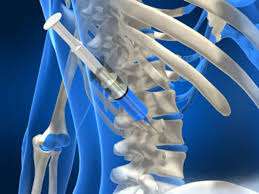
Bladder augmentation surgery is performed to increase bladder capacity in patients experiencing severe bladder dysfunction. This condition can lead to frequent urination, urgency, and in some cases inability to store adequate amounts of urine comfortably.
VASECTOMY

A vasectomy is a permanent form of male contraception achieved by cutting and sealing the vas deferens. This simple outpatient procedure offers men an effective way to prevent pregnancy without affecting sexual function long-term.
LAPAROSCOPIC NEPHRECTOMY

Laparoscopic Nephrectomy involves the surgical removal of one kidney through small incisions using specialized instruments. This approach minimizes recovery time compared to traditional open surgery while providing similar outcomes for patients needing kidney removal due to disease or injury.
- Indications may include tumors within the kidney, severe damage from trauma or chronic diseases impacting function adversely.
- A diagnostic work-up often includes imaging studies like CT scans or MRI to ascertain renal health status before surgery plans are set in motion.
- This technique allows surgeons better visualization while reducing blood loss and scarring associated with larger incisions traditionally used in open surgeries.
- Anesthesia generally required includes regional or general options based on patient needs during this type of surgery;
URETEROSCOPY

Ureteroscopy is a procedure used primarily for diagnosing and treating issues within the ureters and kidneys. It is particularly effective for removing small stones that may be causing blockages or pain in the urinary tract.
- The symptoms prompting this procedure include severe flank pain, blood in urine, or recurring urinary tract infections (UTIs).
- Differentiating between conditions typically involves imaging tests alongside a thorough medical history assessment.
- The ureteroscope allows doctors to view internal structures directly; small instruments can retrieve stones or biopsy suspicious areas found during inspection.
- This procedure usually requires only local or general anesthesia and has a short recovery time due to its minimally invasive nature.
- After ureteroscopy, patients may experience temporary discomfort but often return home on the same day with clear post-operative instructions.
This technique represents an essential method for addressing renal calculi effectively while prioritizing patient comfort and swift recovery timelines.
PERCUTANEOUS NEPHROLITHOTOMY (PCNL)

Percutaneous Nephrolithotomy (PCNL) is a surgical procedure used to remove large stones from the kidney through a small incision in the back. Patients suffering from kidney stones that are too large for other treatments may find this approach particularly beneficial.
- The presence of kidney stones can cause severe pain, hematuria (blood in urine), and urinary infections.
- A diagnosis begins with imaging tests like ultrasound or CT scans to determine stone size and location.
- Unlike traditional methods, PCNL offers direct access to the kidney, allowing for effective stone removal with minimal damage to surrounding tissues.
- This procedure is performed under general anesthesia, and most patients go home within 24 hours after surgery.
- Post-operative care includes monitoring for complications such as bleeding or infection, along with intake changes to prevent future stones.
Overall, PCNL presents an effective solution for managing large kidney stones while minimizing recovery time.
TRANSURETHRAL RESECTION OF THE PROSTATE (TURP)

Transurethral Resection of the Prostate (TURP) is a minimally invasive surgical procedure aimed at relieving symptoms caused by an enlarged prostate, also known as benign prostatic hyperplasia (BPH). This condition can significantly affect urinary function and quality of life.
- Symptoms may include difficulty starting urination, weak urine flow, increased frequency of urination, and nocturia (waking at night to urinate).
- Diagnosis typically involves a physical examination, medical history review, and possibly a prostate-specific antigen (PSA) blood test.
- Treatment options range from medication to surgical interventions; TURP is often recommended when less invasive measures are ineffective.
- This procedure is conducted under anesthesia and usually involves removing excess prostate tissue to improve urine flow.
- Patients can expect a hospital stay of one to two days post-surgery and will require some time for recovery.
Overall, TURP can provide significant relief from urinary symptoms and improve the overall quality of life for patients experiencing BPH.