
Dr Shiv Prasad Ti
About Me
Dr Shiv Prasad Ti
MBBS
General Physician
10 Years Experience
Biography
My Clinic
OPD Hours
| Monday | Morning | 10:00 AM | - | 02:00 PM |
| Evening | 06:00 PM | - | 09:00 PM | |
| Tuesday | Morning | 10:00 AM | - | 02:00 PM |
| Evening | 06:00 PM | - | 09:00 PM | |
| Wednesday | Morning | 10:00 AM | - | 02:00 PM |
| Evening | 06:00 PM | - | 09:00 PM | |
| Thursday | Morning | 10:00 AM | - | 02:00 PM |
| Evening | 06:00 PM | - | 09:00 PM | |
| Friday | Morning | 10:00 AM | - | 02:00 PM |
| Evening | 06:00 PM | - | 09:00 PM | |
| Saturday | Morning | 10:00 AM | - | 02:00 PM |
| Evening | 06:00 PM | - | 09:00 PM | |
| Sunday | Morning | 10:00 AM | - | 02:00 PM |
| Evening | 06:00 PM | - | 09:00 PM |
Treatments
Specialised care and treatments offered
ACUTE URINARY TRACT INFECTION (UTI)
ACUTE GASTROENTERITIS

This condition involves sudden inflammation of the stomach and intestines causing diarrhea and vomiting. It’s a common cause of discomfort worldwide across all age groups.
- An onset trigger usually includes ingestion of contaminated food or water containing viruses like norovirus or bacteria such as E.coli.
- Symptoms: Watery diarrhea , abdominal cramps , nausea , vomiting , fever possible .
- Diagnosis: Clinical evaluation focusing on symptom duration ; stool tests reserved for complicated infections .
- Treatment: Primarily supportive - oral rehydration solutions replace lost fluids/electrolytes ; diet adjustments recommended . Antibiotics rarely required except for specific bacterial causes .
- Expected course: Most recover fully within days without complications ; watch for dehydration signs especially in children/elders .
Good hygiene practices help prevent recurrent episodes . Prompt rehydration significantly improves outcomes .
COMMUNITY-ACQUIRED PNEUMONIA

Pneumonia acquired outside hospital settings involves lung infection causing inflammation in air sacs. It may present mildly or severely depending on multiple factors.
- Symptoms: Cough producing sputum, fever with chills, difficulty breathing and chest pain while breathing deeply or coughing.
- Causes: Bacterial agents like Streptococcus pneumoniae are common causes; viruses and atypical bacteria also play roles.
- Diagnosis: Confirmed through clinical signs supported by chest X-ray imaging and laboratory testing including sputum culture when possible.
- Treatment options: Antibiotics tailored to likely pathogens form the cornerstone; supportive care includes oxygen therapy if needed and hydration maintenance.
The prognosis improves significantly with early detection and appropriate antibiotic treatment alongside symptom management strategies at home or inpatient care when severe cases arise.
DIABETIC KETOACIDOSIS (DKA)
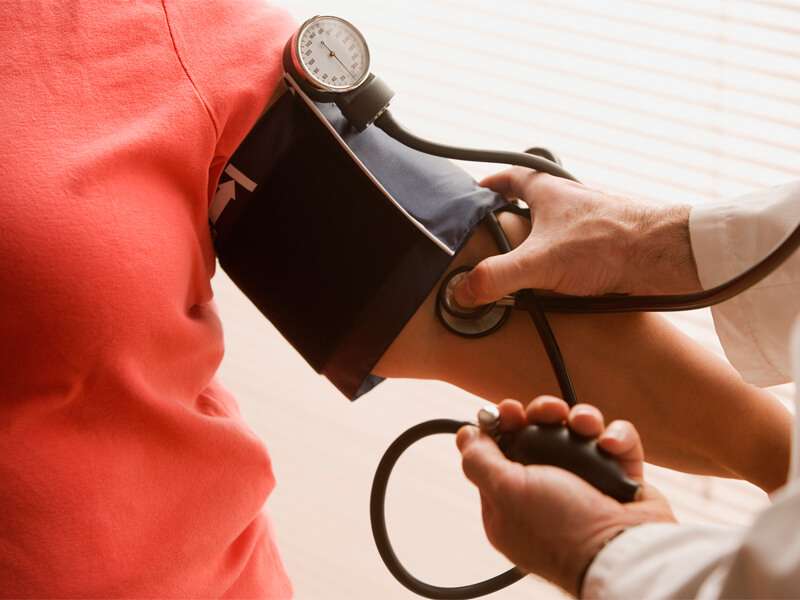
Diabetic ketoacidosis is a serious complication of diabetes characterized by very high blood sugar levels combined with ketone buildup. It requires urgent treatment.
- Symptoms: Excessive thirst, frequent urination, nausea, vomiting, abdominal pain, fruity-scented breath, and confusion.
- Causes: Often triggered by infection, missed insulin doses or new onset diabetes.
- Diagnosis: Blood tests showing elevated glucose levels and presence of ketones in urine or blood alongside metabolic acidosis evidence.
- Treatment: Hospitalization for intravenous fluids, insulin therapy and electrolyte correction is essential for recovery.
- What to expect: Close monitoring in ICU settings until metabolic control stabilizes; education about diabetes management follows recovery.
This acute emergency can be life-threatening if untreated but responds well to prompt comprehensive care.
HYPERTENSIVE CRISIS
A hypertensive crisis occurs when blood pressure spikes suddenly to dangerously high levels. This condition requires immediate medical attention due to risks of organ damage.
- Symptoms: Severe headache, shortness of breath, chest pain, blurred vision, or neurological deficits.
- Causes: Poorly controlled hypertension, medication noncompliance, or secondary causes such as kidney disease.
- Diagnosis: Blood pressure measurement exceeding 180/120 mmHg along with assessment for target organ injury.
- Treatment: Urgent blood pressure reduction using intravenous medications in a hospital setting is critical to prevent complications.
- Prevention & Management: Regular monitoring of blood pressure and adherence to prescribed antihypertensive medications are key components post-crisis.
Timely intervention can prevent serious outcomes like stroke or heart attack following a hypertensive crisis.
ACUTE BRONCHITIS
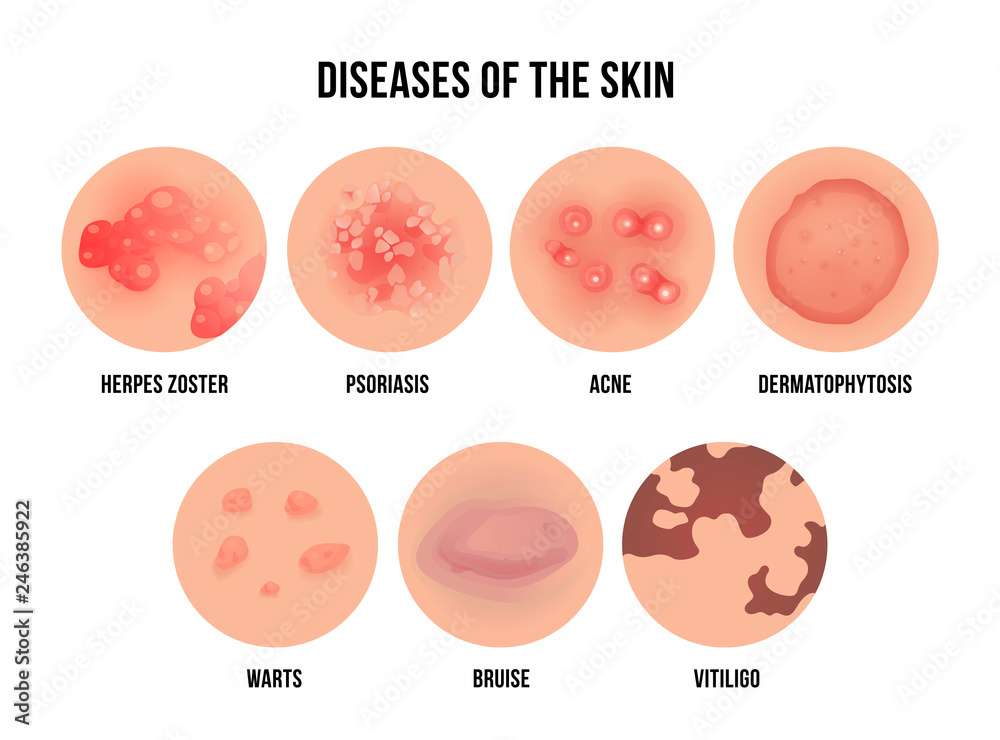
Acute bronchitis is an inflammation of the airways, usually caused by a viral infection. It commonly occurs after a cold or respiratory infection, leading to coughing and discomfort.
- Symptoms: Persistent cough, often with mucus, wheezing, chest tightness, and mild fever.
- Causes: Primarily viral infections; sometimes bacterial but less common.
- Diagnosis: Clinical evaluation focusing on recent illness history and physical examination; sometimes chest X-rays to rule out pneumonia.
- Treatment: Mainly supportive care including rest, hydration, and cough suppressants; antibiotics are rarely needed unless bacterial infection is suspected.
- Management: Avoid smoking and irritants; use of humidifiers may ease symptoms.
Most cases resolve within a few weeks without complications. Monitoring symptoms is important to detect worsening conditions early.