
Dr Shiv Kumar Go
About Me
Dr Shiv Kumar Go
MS
Orthopaedic Surgeons
10 Years Experience
Biography
My Clinic
OPD Hours
| Monday | Morning | 10:00 AM | - | 02:00 PM |
| Evening | 06:00 PM | - | 09:00 PM | |
| Tuesday | Morning | 10:00 AM | - | 02:00 PM |
| Evening | 06:00 PM | - | 09:00 PM | |
| Wednesday | Morning | 10:00 AM | - | 02:00 PM |
| Evening | 06:00 PM | - | 09:00 PM | |
| Thursday | Morning | 10:00 AM | - | 02:00 PM |
| Evening | 06:00 PM | - | 09:00 PM | |
| Friday | Morning | 10:00 AM | - | 02:00 PM |
| Evening | 06:00 PM | - | 09:00 PM | |
| Saturday | Morning | 10:00 AM | - | 02:00 PM |
| Evening | 06:00 PM | - | 09:00 PM | |
| Sunday | Morning | 10:00 AM | - | 02:00 PM |
| Evening | 06:00 PM | - | 09:00 PM |
Treatments
Specialised care and treatments offered
SACROILIAC JOINT DYSFUNCTION
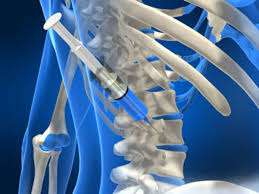
Sacroiliac joint dysfunction refers to misalignment or irritation of one or both joints connecting lower spine vertebrae to pelvis. This condition frequently leads to lower back pain radiating into buttocks or legs.
- Key symptoms include sharp localized pain near hip area coupled with discomfort exacerbated by prolonged sitting or standing.
- Diagnosis typically encompasses detailed patient history review along with physical examinations assessing movement restrictions.
- Conservative management encompasses targeted exercises designed specifically for strengthening pelvic stabilizing muscles while promoting flexibility.
- In some instances medical professionals might recommend physiotherapy tailored towards improving overall body posture.
Effective treatment emphasizes education about proper movement patterns aiming ultimately at enhancing day-to-day functionality while addressing underlying issues.
CARPAL TUNNEL SYNDROME

This condition arises from compression of the median nerve as it travels through the wrist’s carpal tunnel. It typically results in numbness, tingling, or weakness in hand muscles.
- Main symptoms are hand numbness predominantly at night as well as difficulty grasping items due to muscle weakness occurring over time.
- A comprehensive assessment including patient history and nerve conduction studies aid in arriving at an accurate diagnosis.
- Initial treatments often include wrist splints worn at night combined with lifestyle adjustments such as ergonomic modifications at workstations.
- Corticosteroid injections might relieve symptoms by minimizing inflammation around nerves
Early recognition coupled with appropriate management strategies plays an essential role in preventing long-term damage associated with carpal tunnel syndrome.
FROZEN SHOULDER

Frozen shoulder, or adhesive capsulitis, occurs when the shoulder capsule thickens and tightens around the joint, leading to stiffness and pain. This condition often develops gradually but can restrict arm movement significantly.
- Pain may begin gradually before movement becomes limited; nighttime pain is common among those affected.
- A detailed clinical evaluation alongside imaging tests helps in diagnosing this condition accurately.
- Treatment focuses on physical therapy, which involves gradual stretching exercises aimed at restoring range of motion over time.
- Corticosteroids may be injected into the shoulder joint to reduce inflammation if necessary.
A proactive approach towards treatment often leads to favorable outcomes in improving mobility while managing discomfort effectively.
PLANTAR FASCIITIS

This condition involves inflammation of the plantar fascia, a thick band of tissue running across the bottom of the foot. It commonly results in heel pain that worsens with activity or prolonged standing.
- Patients typically experience sharp heel pain during their first steps in the morning or after sitting for long periods.
- A clinical assessment along with imaging tests can help identify this condition effectively.
- Treatment often includes stretching exercises targeting the calf and plantar fascia along with orthotic devices to support foot alignment.
- Corticosteroid injections may assist in alleviating severe discomfort if conservative measures fail.
- Icing the heel regularly can also provide significant relief.
Addressing plantar fasciitis early through proper interventions helps ensure a swift return to comfortable mobility.
TENDINITIS

Tendinitis is the inflammation of a tendon caused by overuse or injury. It commonly affects areas such as the elbow (tennis elbow) or shoulder (rotator cuff tendinitis).
- The main symptoms include localized pain and tenderness around the affected tendon.
- A thorough evaluation including a physical examination and possibly imaging studies can help confirm diagnosis.
- Treatment usually starts with rest and ice application to reduce swelling; physical therapy can also be beneficial for recovery.
- Gradual reintroduction of activities is essential for healing without aggravating the tendon further.
- Nonsteroidal anti-inflammatory drugs (NSAIDs) may be recommended for pain relief.
Early intervention is crucial for effective management of tendinitis, allowing individuals to return to their daily activities promptly.
OSTEOARTHRITIS

Osteoarthritis is a degenerative joint disease that primarily affects the cartilage, which cushions the joints. Over time, this cartilage wears down, leading to pain and stiffness in the affected areas.
- Symptoms include joint pain, swelling, and reduced flexibility, often worsening with activity.
- It is diagnosed through physical exams, medical history assessments, and imaging tests like X-rays or MRIs.
- Treatment options focus on pain management, including physical therapy, lifestyle modifications, weight management, and medications to reduce inflammation.
- Exercise plays a critical role; low-impact activities such as swimming or cycling can help maintain joint function.
- In some cases, corticosteroid injections may be used to alleviate severe pain.
The key to managing osteoarthritis lies in understanding its nature and proactively engaging in appropriate therapies and lifestyle changes.