
Dr Shishir Kumar Rastogi
About Me
Dr Shishir Kumar Rastogi
MS
Orthopaedic Surgeons
10 Years Experience
Biography
My Clinic
OPD Hours
| Monday | Morning | 10:00 AM | - | 02:00 PM |
| Evening | 06:00 PM | - | 09:00 PM | |
| Tuesday | Morning | 10:00 AM | - | 02:00 PM |
| Evening | 06:00 PM | - | 09:00 PM | |
| Wednesday | Morning | 10:00 AM | - | 02:00 PM |
| Evening | 06:00 PM | - | 09:00 PM | |
| Thursday | Morning | 10:00 AM | - | 02:00 PM |
| Evening | 06:00 PM | - | 09:00 PM | |
| Friday | Morning | 10:00 AM | - | 02:00 PM |
| Evening | 06:00 PM | - | 09:00 PM | |
| Saturday | Morning | 10:00 AM | - | 02:00 PM |
| Evening | 06:00 PM | - | 09:00 PM | |
| Sunday | Morning | 10:00 AM | - | 02:00 PM |
| Evening | 06:00 PM | - | 09:00 PM |
Treatments
Specialised care and treatments offered
ACL RECONSTRUCTION
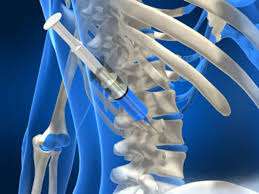
Anterior cruciate ligament (ACL) reconstruction is a common surgery performed when this critical ligament in the knee has been torn due to sports injuries or accidents.
- Painful swelling accompanied by instability while walking signals potential ACL damage following traumatic events; immediate medical assessment is advised.
- A combination of physical evaluations along with MRI scans establishes a conclusive diagnosis enabling timely intervention decisions based on severity levels identified through these assessments.
- More conservative treatments might consist of knee bracing paired with targeted physiotherapy; however , surgical options become warranted when conservative means do not yield sufficient improvement .
- Surgical reconstruction typically involves replacing the torn ligament using tissue grafts sourced either from patients themselves (autograft) or donors (allograft). Postoperative care centers around gradual healing alongside structured rehabilitation programs designed specificially towards regaining full function efficiently over several months following surgery .
Completing ACL reconstruction aims not only at restoration but ensures return capability towards returning enthusiastically back into competitive sports activities safely once healed .
FACET JOINT INJECTION
Facet joint injections are a therapeutic option used primarily for diagnosing and treating neck or back pain caused by inflammation in these joints connecting adjacent vertebrae.
- Patients commonly report localized pain that may radiate down their arms or legs depending on which facet joints are involved.
- A careful history-taking coupled with physical examinations guides the diagnosis; imaging studies may be utilized if needed for better evaluation before injection.
- Corticosteroids combined with local anesthetics are injected directly into the facet joints helping reduce inflammation while providing temporary relief from symptoms.
- The effects can vary among individuals but often lead to improved mobility resulting from reduced discomfort during recovery phases.
This approach is beneficial for both diagnostic purposes and symptom management effectively addressing underlying issues related to facet joint problems.
ROTATOR CUFF REPAIR

A rotator cuff repair addresses injuries affecting the group of muscles and tendons that stabilize the shoulder joint. This condition often results from repetitive overhead activities or acute injuries.
- Symptoms typically manifest as shoulder pain, weakness in lifting objects, or limited range of motion impacting daily activities.
- A thorough clinical assessment including physical exams combined with imaging like ultrasounds help determine the extent of cuff damage before deciding on surgery.
- Treatment may involve arthroscopic repair techniques that aim at reattaching torn tendons back onto the humeral head.
- Rehabilitation post-surgery is crucial for regaining strength and functionality, along with managing any postoperative discomfort through guided exercises.
This surgical intervention has high success rates in restoring function and alleviating discomfort in affected shoulders.
SPINAL FUSION SURGERY

This surgical procedure aims to join two or more vertebrae in the spine together. It's commonly recommended for conditions like degenerative disc disease or spinal instability.
- Patients may present with chronic back pain, limited movement, or neurological symptoms due to nerve compression.
- A comprehensive evaluation involving physical exams and imaging studies helps confirm the need for spinal fusion surgery.
- The management strategies include various techniques such as using bone grafts or implants to encourage fusion between vertebrae over time.
- Post-operative care focuses on gradual mobilization and adherence to rehabilitation protocols for optimal recovery outcomes.
This procedure can provide lasting relief from pain and stabilize spinal structures effectively when indicated correctly.
ARTHROSCOPY

Arthroscopy is a minimally invasive surgical technique that allows orthopaedic surgeons to visualize, diagnose, and treat problems inside a joint using small incisions.
- Common indications for this procedure include tears in cartilage or ligaments, such as meniscus tears, leading to pain or swelling.
- Diagnosis is primarily made through patient history and imaging techniques like MRI; arthroscopy then provides definitive insights during surgery.
- Treatment may involve removing loose debris, repairing torn tissue, or smoothing rough cartilage surfaces to reduce friction within the joint.
- Recovery typically involves physical therapy to regain movement and strength while managing inflammation from the procedure.
The minimally invasive nature of arthroscopy often leads to shorter recovery times compared to open surgeries.
TOTAL JOINT REPLACEMENT

Total joint replacement is a surgical procedure performed to alleviate pain and restore function in joints severely damaged by arthritis or injury.
- Symptoms often include persistent pain, stiffness, and decreased mobility in the affected joint.
- The diagnosis usually involves a thorough physical examination and imaging tests such as X-rays or MRIs to assess the extent of joint damage.
- Treatment options can range from conservative measures like medications and physical therapy to surgical interventions when non-surgical methods fail.
- Post-surgery, patients can expect rehabilitation aimed at restoring strength and range of motion, with most experiencing significant pain relief after recovery.
This procedure can significantly improve quality of life and mobility for those with debilitating joint conditions.