
Dr Shikha Goel
About Me
Dr Shikha Goel
MBBS
Infectious disease specialists
10 Years Experience
Biography
My Clinic
OPD Hours
| Monday | Morning | 10:00 AM | - | 02:00 PM |
| Evening | 06:00 PM | - | 09:00 PM | |
| Tuesday | Morning | 10:00 AM | - | 02:00 PM |
| Evening | 06:00 PM | - | 09:00 PM | |
| Wednesday | Morning | 10:00 AM | - | 02:00 PM |
| Evening | 06:00 PM | - | 09:00 PM | |
| Thursday | Morning | 10:00 AM | - | 02:00 PM |
| Evening | 06:00 PM | - | 09:00 PM | |
| Friday | Morning | 10:00 AM | - | 02:00 PM |
| Evening | 06:00 PM | - | 09:00 PM | |
| Saturday | Morning | 10:00 AM | - | 02:00 PM |
| Evening | 06:00 PM | - | 09:00 PM | |
| Sunday | Morning | 10:00 AM | - | 02:00 PM |
| Evening | 06:00 PM | - | 09:00 PM |
Treatments
Specialised care and treatments offered
SURGICAL DRAINAGE OF DEEP-SEATED ABSCESSES
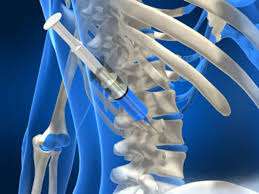
Certain infectious processes lead to abscess formation deep within tissues where medical management alone may not suffice. Surgical drainage becomes essential to eradicate infection fully when antibiotics cannot penetrate adequately into abscess cavities.
- Causation & Symptoms: Bacterial invasion causing localized pus collection presents as painful swelling often accompanied by fever.
- Imaging Diagnosis: MRI or CT scans identify precise abscess location facilitating planning for intervention.
- Treatment Procedure: Surgical incision or image-guided percutaneous drainage removes purulent material allowing faster recovery.
- Broad-Spectrum Antibiotics: This complements drainage ensuring eradication of residual infection.
- Avoiding Complications: This dual approach prevents spread causing sepsis or chronic sinus tracts requiring more extensive surgery later.
TREATMENT PROTOCOLS FOR VIRAL HEPATITIS

The management of viral hepatitis focuses on controlling liver inflammation caused by hepatitis viruses A, B, C, D or E. Chronic forms particularly Hepatitis B and C require antiviral therapies aimed at preventing liver damage progression.
- Disease Overview: An acute infection may cause jaundice and malaise whereas chronic hepatitis can lead to cirrhosis or liver cancer without intervention.
- Diagnostic Measures: Liver function tests combined with specific serological markers detect viral type and stage.
- Treatment Options: Nucleotide/nucleoside analogues suppress viral replication in Hepatitis B; direct-acting antivirals can cure most Hepatitis C cases.
- Liver Monitoring: Lifelong surveillance helps identify fibrosis progression requiring adjustments in management.
- Lifestyle & Prevention: Avoidance of alcohol alongside vaccination against Hepatitis A/B enhances protection.
An individualized approach deploying appropriate medications significantly reduces complications associated with viral hepatitis infections .
COMPLEX MANAGEMENT OF MULTIDRUG-RESISTANT BACTERIAL INFECTIONS

Tackling multidrug-resistant bacterial infections necessitates advanced care strategies due to limited antibiotic options. These infections are increasingly encountered in hospital settings posing significant treatment challenges.
- Epidemiology & Presentation: Resistant strains often cause urinary tract infections, pneumonia, or bloodstream infections characterized by persistent symptoms despite conventional antibiotics.
- Labs & Identification: Microbiological cultures with susceptibility testing guide targeted antibiotic selection effectively combating resistance patterns.
- Treatment Strategy: Use of combination therapies including newer antimicrobials or synergistic agents based on susceptibility profiles are implemented carefully under specialist supervision.
- Surgical Role: The removal of infected devices or drainage of abscesses may be necessary adjuncts alongside medical treatments for infection control.
A multidisciplinary approach incorporating infectious disease expertise optimizes outcomes against these complicated bacterial threats resistant to standard therapies .
MANAGEMENT OF INFECTIVE ENDOCARDITIS

The management of infective endocarditis requires prompt diagnosis and aggressive antibiotic therapy due to its serious complications involving heart valves. This infection arises when bacteria enter the bloodstream and colonize cardiac tissue.
- Causative Agents & Symptoms: Commonly caused by streptococci or staphylococci; symptoms include fever, heart murmur, fatigue, and embolic phenomena.
- Diagnostic Techniques: Blood cultures confirm causative organisms; echocardiography visualizes valvular vegetations or dysfunction.
- Treatment Modalities: Prolonged intravenous antibiotics tailored by culture results; surgical intervention may be necessary for valve repair or replacement if damage is extensive.
- Surgical Considerations: Surgery indicated in heart failure unresponsive to medical therapy or persistent infection despite antibiotics.
A timely combination of antimicrobial therapy along with surgical intervention when required provides best chances for recovery from this life-threatening condition.
TUBERCULOSIS TREATMENT WITH DIRECTLY OBSERVED THERAPY (DOT)

Tuberculosis (TB) requires a precise and supervised treatment plan known as Directly Observed Therapy (DOT) to ensure cure and prevent drug resistance. This method involves healthcare providers observing patients take their medications regularly over several months.
- Symptoms/Causes: TB is caused by Mycobacterium tuberculosis affecting mainly lungs; symptoms include persistent cough, fever, night sweats, and weight loss.
- Diagnosis: Sputum smear microscopy, culture tests, and chest X-rays are primary diagnostic tools for active TB.
- Treatment Process: DOT ensures full compliance with a multidrug antibiotic regimen typically lasting six months or longer depending on drug sensitivity.
- Benefits: Prevents treatment failure and development of multi-drug resistant TB strains by guaranteeing medication intake under observation.
- Outcomes: Effective DOT treatment leads to complete eradication of the infection in most cases with improved public health safety.
This closely monitored therapy plays a crucial role in global efforts to control tuberculosis worldwide.
ANTIRETROVIRAL THERAPY FOR HIV/AIDS

Managing HIV/AIDS effectively involves the use of antiretroviral therapy (ART), a lifelong medication regimen designed to control the virus. ART has significantly improved life expectancy and quality of life for patients living with HIV.
- Causes and Symptoms: HIV attacks the immune system, leading to immunodeficiency. Symptoms can range from flu-like illness initially to severe opportunistic infections without treatment.
- Diagnosis: Confirmed through blood tests detecting antibodies, viral load, and CD4 cell count to assess immune function.
- Treatment Approach: Combination ART involves multiple drugs that suppress viral replication, preventing progression to AIDS.
- Management: Regular monitoring through blood tests is essential to check adherence, detect resistance, and adjust therapy as needed.
- Expectations: With proper treatment, patients can maintain a normal lifespan and reduce transmission risk significantly.
The focus on early diagnosis and adherence to ART is vital for optimal outcomes in managing HIV infection.