
DR SHIKHA BHARGA
About Me
DR SHIKHA BHARGA
MBBS
General Physician
10 Years Experience
Biography
My Clinic
OPD Hours
| Monday | Morning | 10:00 AM | - | 02:00 PM |
| Evening | 06:00 PM | - | 09:00 PM | |
| Tuesday | Morning | 10:00 AM | - | 02:00 PM |
| Evening | 06:00 PM | - | 09:00 PM | |
| Wednesday | Morning | 10:00 AM | - | 02:00 PM |
| Evening | 06:00 PM | - | 09:00 PM | |
| Thursday | Morning | 10:00 AM | - | 02:00 PM |
| Evening | 06:00 PM | - | 09:00 PM | |
| Friday | Morning | 10:00 AM | - | 02:00 PM |
| Evening | 06:00 PM | - | 09:00 PM | |
| Saturday | Morning | 10:00 AM | - | 02:00 PM |
| Evening | 06:00 PM | - | 09:00 PM | |
| Sunday | Morning | 10:00 AM | - | 02:00 PM |
| Evening | 06:00 PM | - | 09:00 PM |
Treatments
Specialised care and treatments offered
OSTEOARTHRITIS
A degenerative joint disease characterized by the breakdown of cartilage most commonly affects older adults but can present earlier due to injuries or repetitive stress. It primarily involves weight-bearing joints such as knees and hips but also small joints in hands may be affected.
- The disease manifests through symptoms including joint pain worsened by activity stiffness especially after periods of rest reduced range of motion swelling might be mild;
- The underlying pathophysiology involves gradual loss/destruction of cartilage cushioning joints leading to bone-on-bone contact creating pain/inflammation;
- The diagnosis includes detailed history physical exam X-rays identifying joint space narrowing bone spur formation confirming osteoarthritis presence;
- Treatment principles combine physical therapy weight management analgesics like acetaminophen NSAIDs advanced cases might require injections/surgical options;
- Lifestyle measures such as low-impact exercises help maintain joint function strengthen muscles around affected joints;
A comprehensive approach tailored individually aims at symptom relief enhancing mobility thus improving quality of life amid progressive changes typical for osteoarthritis .
SEASONAL ALLERGIC RHINITIS

An allergic reaction triggered by airborne allergens leading to inflammation of nasal passages is commonly known as hay fever. It tends to occur seasonally based on exposure patterns prevalent in certain areas during particular months.
- The spectrum of symptoms: Sneezing fits,general nasal congestion,watery eyes,and itching around nose,mouth,and eyes are typical manifestations affecting day-to-day activities negatively;
- The causes : Exposure to pollen from trees grasses,weeds,is primary cause especially when immune system overreacts;
- The diagnostic process : Clinical history supported by allergy skin testing helps identify offending allergens accurately;
- The treatment plan : Includes antihistamines,decongestants,nasal corticosteroids,use of saline nasal sprays,and allergen avoidance strategies;
- The prognosis : While not curable,the condition is manageable through consistent treatment reducing frequency/severity during peak seasons;
If you experience seasonal allergy symptoms regular consultation enhances personalized care ensuring better symptom control year after year .
GASTROESOPHAGEAL REFLUX DISEASE (GERD)

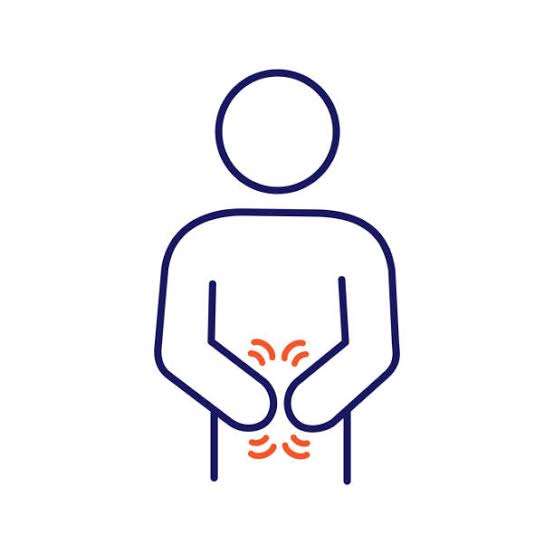
This digestive disorder occurs when stomach acid frequently flows back into the esophagus causing discomfort. It can affect people across all age groups with varying severity.
- Main symptoms include: Heartburn sensation behind the breastbone, regurgitation of food or sour liquid taste in throat, sometimes difficulty swallowing.
- Causative factors: Weak lower esophageal sphincter muscle allowing acid reflux; obesity; dietary triggers like fatty foods or caffeine exacerbate symptoms.
- The diagnosis: Based primarily on clinical presentation; endoscopy may be performed if complications like ulcers or Barrett’s esophagus are suspected.
- The Treatment strategy: Lifestyle modifications such as weight loss and avoiding trigger foods; antacids and acid suppression medications aid symptom relief;
- If untreated: Persistent reflux can lead to esophageal inflammation or strictures requiring further interventions.
Lifestyle awareness combined with appropriate management usually controls GERD effectively improving quality of life significantly over time.
DIABETES MELLITUS TYPE 2
This metabolic disorder involves high blood sugar levels resulting from insulin resistance. It generally develops gradually over years and poses risks for many organ systems if not managed well.
- Main causes: Lifestyle factors such as poor diet and inactivity combined with genetic predisposition drive disease onset.
- Signs & Symptoms: Increased thirst, frequent urination, fatigue, blurred vision are common indicators prompting evaluation.
- Diagnostic approach: Blood tests measuring fasting glucose levels or HbA1c provide confirmation of diagnosis.
- Treatment options:: Lifestyle modification including diet changes and exercise form the cornerstone; oral medications or insulin therapy may be necessary depending on severity.
- Lifestyle impact:: Effective glucose control reduces complications like neuropathy, kidney damage,and cardiovascular disease over time.
A proactive approach combining medical treatment with healthful habits enables many individuals to lead full lives despite this condition.
ACUTE RESPIRATORY INFECTIONS
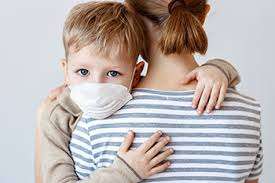
Infections affecting the nose, throat, and lungs are common causes of respiratory symptoms seen in patients of all ages. These infections can be viral or bacterial in origin.
- Symptoms: Include cough, sore throat, fever, nasal congestion, and difficulty breathing in more severe cases.
- Causes: Viral pathogens such as rhinoviruses or influenza viruses are frequent culprits; bacterial infections can follow or worsen the condition.
- Diagnosis: Clinical examination supplemented by chest X-rays or lab tests if pneumonia or complications are suspected.
- Treatment: Supportive care with hydration and rest is key; antibiotics may be prescribed when bacterial infection is confirmed.
- What to expect: Most recover within one to two weeks; early intervention helps prevent complications like bronchitis or pneumonia.
Caring for respiratory infections promptly improves recovery time and reduces transmission risk to others.
HYPERTENSION MANAGEMENT
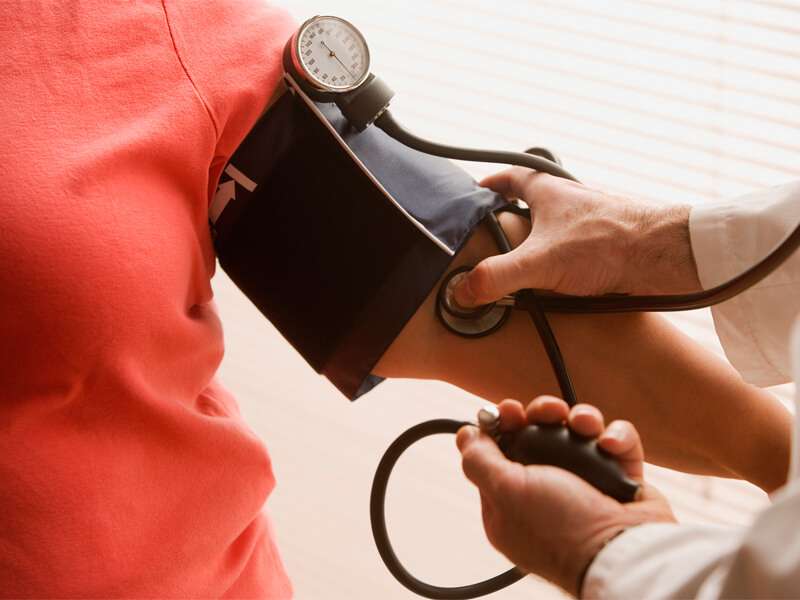
High blood pressure is a common chronic condition that impacts the heart and blood vessels. It often presents without symptoms but requires ongoing attention to prevent serious health issues.
- Causes: Genetics, poor diet, obesity, sedentary lifestyle, and stress contribute to elevated blood pressure.
- Symptoms: Usually asymptomatic; headaches or dizziness may occur in severe cases.
- Diagnosis: Regular monitoring of blood pressure readings using a sphygmomanometer across multiple visits ensures accurate assessment.
- Treatment: Lifestyle modifications such as reducing salt intake, exercising regularly, maintaining a healthy weight, and medications are central to management.
- Expectations: With proper control, risks of stroke, heart attack, and kidney disease are significantly lowered. Ongoing follow-up is essential for adjustment of therapy.
Adhering to medical advice and lifestyle changes can effectively control hypertension and improve overall well-being.