
Dr Sheikh MOH A I
About Me
Dr Sheikh MOH A I
MS
Orthopaedic Surgeons
10 Years Experience
Biography
My Clinic
OPD Hours
| Monday | Morning | 10:00 AM | - | 02:00 PM |
| Evening | 06:00 PM | - | 09:00 PM | |
| Tuesday | Morning | 10:00 AM | - | 02:00 PM |
| Evening | 06:00 PM | - | 09:00 PM | |
| Wednesday | Morning | 10:00 AM | - | 02:00 PM |
| Evening | 06:00 PM | - | 09:00 PM | |
| Thursday | Morning | 10:00 AM | - | 02:00 PM |
| Evening | 06:00 PM | - | 09:00 PM | |
| Friday | Morning | 10:00 AM | - | 02:00 PM |
| Evening | 06:00 PM | - | 09:00 PM | |
| Saturday | Morning | 10:00 AM | - | 02:00 PM |
| Evening | 06:00 PM | - | 09:00 PM | |
| Sunday | Morning | 10:00 AM | - | 02:00 PM |
| Evening | 06:00 PM | - | 09:00 PM |
Treatments
Specialised care and treatments offered
JOINT DECOMPRESSION SURGERY
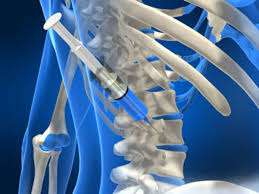
This surgical technique addresses compression syndromes affecting various joints throughout the body. Decompression aims to relieve pressure on nerves or surrounding tissues by removing tissue obstructions causing discomfort or weakness due excessive wear-and-tear reactions resulting from injuries over time rather than simply masking symptoms via medication usage alone!
- Painful sensations associated come primarily from repetitive trauma over years often leading up unhealthy growth patterns requiring corrective measures being taken soon enough!
- Diagnostic approaches prior usually consist aiding symptom evaluation using X-rays alongside MRIs visualize clearly any compressive forces exerting pressure upon nerves around these particular joints involved!
- Options presented range widely depending upon specific circumstances faced by individual patients each unique case representing its challenges determined best throughout consultation sessions undertaken together exploring what best suites needs anticipated outcomes sought towards alleviating discomfort experienced throughout conditions faced daily! A personalized plan crafted accordingly increases chances achieving optimal results post-op offering brighter future ahead!
Taking swift action holds potential prevent further complications arising down road ensuring improved overall well-being enjoyed afterwards!
ACL RECONSTRUCTION SURGERY
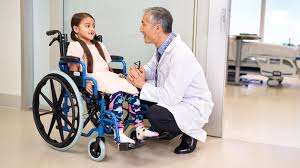
Anterior cruciate ligament (ACL) reconstruction is a common orthopaedic surgery aimed at restoring stability in the knee after injury. The ACL plays a critical role in maintaining balance during movement; hence its injury can severely affect athletic performance.
- Main symptoms include a feeling of instability in the knee joint, difficulty bearing weight, along with noticeable swelling right after injury occurs.
- A thorough physical examination combined with imaging tests confirm an ACL tear's presence before deciding on surgical intervention options available based on severity levels identified during diagnostics procedures performed earlier on patients suffering from sports-related injuries especially among athletes involved heavily in high-impact sports such as football or basketball!
HIP RESURFACING SURGERY

This innovative surgical technique involves replacing the surface of the hip joint rather than removing the entire ball-and-socket structure. It’s primarily indicated for younger patients with hip arthritis who wish to maintain an active lifestyle after treatment.
- The main symptoms prompting hip resurfacing are significant hip pain during activity, limited mobility, and other degenerative changes in younger adults’ hips.
- A comprehensive assessment including clinical evaluations coupled with imaging techniques will help determine eligibility for this procedure.
- The procedure preserves more bone compared to traditional hip replacement; thus it allows future surgeries if necessary later on.
- The rehabilitation period is crucial for regaining strength but typically leads to successful outcomes with early mobility post-operation.
This approach offers an excellent option for those seeking effective management for hip-related ailments while retaining more natural anatomy than conventional replacements allow.
SPINE FUSION SURGERY

Spine fusion surgery aims to join two or more vertebrae in the spine permanently. This procedure addresses debilitating back pain caused by conditions such as degenerative disc disease or spinal instability.
- Chronic back pain that does not respond to conservative treatments might prompt consideration for fusion surgery.
- Diagnosis often includes detailed imaging studies like MRIs or CT scans to assess spinal alignment and stability.
- Surgical techniques may involve using bone grafts along with hardware like rods and screws to stabilize the spine.
- The recovery process can take several months but leads to improved spinal strength and reduced pain in many cases.
This intervention provides hope for patients seeking long-term relief from severe back issues through stabilization of affected areas in their spine.
SHOULDER REPLACEMENT SURGERY

This surgical procedure involves replacing damaged parts of the shoulder joint with artificial components. Shoulder replacement is often recommended for patients suffering from severe arthritis or traumatic injuries that lead to chronic pain and loss of mobility.
- The most common symptoms requiring surgery include limited range of motion, persistent pain during daily activities, and joint stiffness.
- A thorough evaluation including physical exams and imaging tests helps in confirming the diagnosis of shoulder damage.
- Treatment can involve total shoulder replacement or partial replacement depending on the extent of damage.
- After surgery, a rehabilitation program is vital to restore strength and function to the shoulder.
This procedure can significantly improve quality of life by alleviating pain and enhancing mobility in daily tasks.
KNEE ARTHROSCOPY

Knee arthroscopy is a minimally invasive surgical procedure used to diagnose and treat various knee conditions. During this procedure, a small camera called an arthroscope is inserted into the joint, allowing for direct visualization of the internal structures.
- Symptoms that may indicate the need for arthroscopy include persistent knee pain, swelling, and stiffness.
- Diagnosis typically involves a physical examination and imaging studies such as X-rays or MRI.
- Treatment options during arthroscopy may include repairing torn ligaments, removing damaged cartilage, or cleaning out the joint.
- Patients can expect faster recovery times compared to open surgery, often returning to normal activities within weeks.
Overall, knee arthroscopy is an effective solution for many painful knee issues, helping patients regain function and mobility.