
Dr Shehtaj Khan
About Me
Dr Shehtaj Khan
MS
Orthopaedic Surgeons
10 Years Experience
Biography
My Clinic
OPD Hours
| Monday | Morning | 10:00 AM | - | 02:00 PM |
| Evening | 06:00 PM | - | 09:00 PM | |
| Tuesday | Morning | 10:00 AM | - | 02:00 PM |
| Evening | 06:00 PM | - | 09:00 PM | |
| Wednesday | Morning | 10:00 AM | - | 02:00 PM |
| Evening | 06:00 PM | - | 09:00 PM | |
| Thursday | Morning | 10:00 AM | - | 02:00 PM |
| Evening | 06:00 PM | - | 09:00 PM | |
| Friday | Morning | 10:00 AM | - | 02:00 PM |
| Evening | 06:00 PM | - | 09:00 PM | |
| Saturday | Morning | 10:00 AM | - | 02:00 PM |
| Evening | 06:00 PM | - | 09:00 PM | |
| Sunday | Morning | 10:00 AM | - | 02:00 PM |
| Evening | 06:00 PM | - | 09:00 PM |
Treatments
Specialised care and treatments offered
KNEE OSTEOTOMY
Knee osteotomy is a surgical procedure designed to relieve pressure on knee joints damaged by osteoarthritis or other conditions. This operation realigns bones affecting joint mechanics positively!
HERNIATED DISC

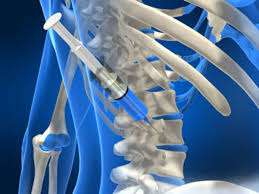
A herniated disc arises when a spinal disc's soft inner gel protrudes through its outer layer. This condition often leads to nerve compression and pain radiating from the back into limbs!
,- ,
- ,} , .
ACHILLES TENDONITIS

Achilles tendonitis is inflammation of the Achilles tendon often resulting from excessive strain. It primarily affects athletes but can also occur in non-athletes due to overuse or tight calf muscles.
- Signs & Symptoms: Patients may feel pain along the back of their heel especially during activities like running or climbing stairs.
- Causative Factors: Risk factors include sudden increases in physical activity without proper conditioning or wearing inappropriate footwear.
- Differential Diagnosis: Physical assessments alongside imaging techniques help confirm Achilles tendon injuries.
- Treatment Options: Most cases respond well to rest, ice application combined with stretching exercises focused on calf muscle improvement.
- The Recovery Process: While healing occurs gradually; adhering strictly to rehabilitation programs aids faster recovery outcomes.
This type of injury requires attention early on for optimal results under physician guidance regarding activity modifications.
CARPAL TUNNEL SYNDROME

This condition occurs when the median nerve is compressed at the wrist level. Carpal tunnel syndrome can lead to discomfort and functional impairment in your hand.
- Symptoms: Patients often report tingling sensations, numbness in fingers, and weakness when gripping objects.
- Causes: Conditions like arthritis or repetitive hand movements increase susceptibility to this syndrome.
- Coping Mechanisms: Diagnosis may involve nerve conduction studies alongside clinical examinations for precision.
- Treatment Approaches: Early treatment includes wrist splints and anti-inflammatory medications; severe cases might require surgery for release
A proactive approach ensures better management of symptoms associated with carpal tunnel syndrome through education about preventive measures.
ROTATOR CUFF INJURY

A rotator cuff injury involves damage to the group of muscles and tendons that stabilize the shoulder. This type of injury is common among athletes as well as individuals engaged in repetitive overhead activities.
- Symptoms: Common signs include pain during movement, weakness in the arm, and reduced range of motion.
- Causes: Causes may vary from acute trauma to gradual degeneration from age or repetitive strain.
- Diagnosis: A detailed history and physical examination are usually complemented by imaging studies such as MRI or ultrasound.
- Treatment Methods: Treatment options range from rest and physical therapy to corticosteroid injections or surgical repair if conservative measures fail.
- Recovery Expectations: With appropriate management, many individuals regain full functionality over time.
This injury emphasizes the importance of timely diagnosis for effective recovery strategies.
OSTEOARTHRITIS

Osteoarthritis is a degenerative joint disease that occurs when the protective cartilage on the ends of your bones wears down over time. It commonly affects the knees, hips, and hands, leading to pain and stiffness.
- Symptoms: Patients may experience swelling, tenderness, and decreased range of motion in affected joints.
- Causes: This condition can result from aging, previous injuries, or repetitive stress on the joints.
- Diagnosis: Physicians typically use physical exams and imaging tests like X-rays to evaluate joint condition.
- Treatment Options: Management might include lifestyle changes, physical therapy, medications for pain relief, and in some cases, surgery.
- What to Expect: While osteoarthritis is chronic and may progressively worsen, many patients find effective strategies for managing symptoms.
A better understanding of osteoarthritis can aid in early recognition and intervention.