
Dr Shashi Kant Verma
About Me
Dr Shashi Kant Verma
B.P.T
Physiotherapist
10 Years Experience
Biography
My Clinic
OPD Hours
| Monday | Morning | 10:00 AM | - | 02:00 PM |
| Evening | 06:00 PM | - | 09:00 PM | |
| Tuesday | Morning | 10:00 AM | - | 02:00 PM |
| Evening | 06:00 PM | - | 09:00 PM | |
| Wednesday | Morning | 10:00 AM | - | 02:00 PM |
| Evening | 06:00 PM | - | 09:00 PM | |
| Thursday | Morning | 10:00 AM | - | 02:00 PM |
| Evening | 06:00 PM | - | 09:00 PM | |
| Friday | Morning | 10:00 AM | - | 02:00 PM |
| Evening | 06:00 PM | - | 09:00 PM | |
| Saturday | Morning | 10:00 AM | - | 02:00 PM |
| Evening | 06:00 PM | - | 09:00 PM | |
| Sunday | Morning | 10:00 AM | - | 02:00 PM |
| Evening | 06:00 PM | - | 09:00 PM |
Treatments
Specialised care and treatments offered
POST-SURGICAL REHABILITATION
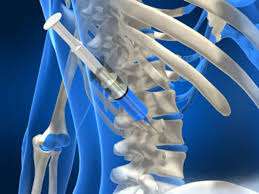
A structured rehabilitation program is essential following any surgical procedure related to musculoskeletal health. This process aims at restoring strength and function effectively while managing postoperative pain safely.
- Indicators: Commonly required after orthopedic surgeries such as knee replacements or rotator cuff repairs due to weakened musculature surrounding joints.
- Assessment Techniques: Therapists perform evaluations assessing initial mobility restrictions alongside functionality prior to designing personalized rehabilitation plans based on surgical specifics involved.
- Rehabilitation Strategies: This may include gradual introduction of targeted exercises—strength training followed by resistance protocols—to regain optimal performance levels post-surgery.
- Expected Recovery Timeline: Each patient progresses differently; close monitoring ensures adjustments are made promptly towards achieving set goals throughout recovery phases.
The aim remains comprehensive recovery enabling patients back their routines while minimizing risks related complications associated prolonged immobilization following surgery.
MANUAL THERAPY
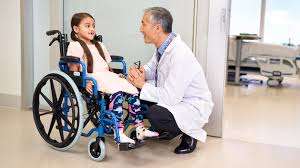
This hands-on approach encompasses various techniques designed to manipulate soft tissues and mobilize joints. It is especially useful in restoring mobility following an injury or surgery.
- Common Symptoms: Patients frequently report stiffness, discomfort during movement or chronic pain that does not respond well to other interventions.
- Evaluation Process: A detailed physical examination helps identify specific areas requiring manual intervention based on symptoms experienced by the patient.
- Treatment Modalities: Techniques such as joint mobilization and soft tissue manipulation are often combined with functional exercise recommendations tailored to individual needs.
- Recovery Expectations: Many experience immediate benefits post-treatment; however, ongoing sessions may be necessary for sustained improvement.
For those dealing with persistent musculoskeletal issues, manual therapy serves as an effective option within comprehensive rehabilitation strategies.
ULTRASOUND THERAPY

This non-invasive modality uses sound waves to promote tissue healing and reduce inflammation. It's commonly employed in physiotherapy practices to address various musculoskeletal issues.
- Main Indications: Effective for tendonitis, bursitis, and other inflammatory conditions where deep tissue heating can help.
- Disease Assessment: The diagnosis usually follows a clinical evaluation supported by imaging tests if necessary to confirm underlying issues.
- Therapeutic Application: Treatment sessions typically involve applying a gel medium through which ultrasound waves penetrate the affected area for about 5-10 minutes per site.
The effectiveness of ultrasound therapy can lead to decreased pain levels rapidly while improving mobility over time when coupled with standard physiotherapy protocols.
ELECTRICAL STIMULATION THERAPY

This therapy utilizes electrical impulses to stimulate nerves or muscles as a means to relieve pain or improve muscle function. It's increasingly popular among physiotherapists for various conditions.
- User Symptoms: Patients may present with chronic pain, muscle weakness, or conditions like arthritis.
- Diagnostic Process: An evaluation helps determine the appropriate settings for optimal results based on individual needs.
- Treatment Strategies: Sessions typically last about 20-30 minutes, combining electrical stimulation with traditional physical therapy exercises for enhanced outcomes.
- Pain Relief Expectations: Many report significant reductions in pain levels after just a few sessions; ongoing management may be required for best results.
This approach is designed not only for immediate relief but also to foster long-term improvements in functional capacity.
KINESIO TAPING

Kinesio taping is an innovative technique used to support muscles and joints without restricting movement. This method employs elastic tape applied strategically over affected areas.
- Symptoms: Conditions treated often include sprains, strains, and general muscular discomfort.
- Diagnosis: A range of assessments evaluates the level of muscle weakness or injury before taping begins.
- Treatment Approach: Kinesio tape is applied along with targeted rehabilitation exercises to enhance recovery.
- Outcomes: Patients often notice immediate relief from pain and improved mobility shortly after application.
Kinesio taping is widely used in sports medicine for both prevention and treatment of injuries.
DRY NEEDLING

Dry needling is a therapeutic technique aimed at relieving muscle tension and pain. It involves the insertion of thin needles into trigger points in muscles, leading to a variety of beneficial effects.
- Symptoms: Patients often experience localized pain, muscle stiffness, and discomfort in specific areas.
- Diagnosis: A thorough assessment, including a physical examination and patient history, is conducted to identify trigger points.
- Treatment Options: Along with dry needling, physical therapy modalities like stretching and strengthening exercises are recommended.
- What to Expect: After treatment, some patients may feel soreness but can typically resume normal activities quickly.
This method can be particularly effective for chronic pain conditions, promoting healing and restoration of function.