
Dr Shariq Arshad
About Me
Dr Shariq Arshad
MBBS
Diabetologist
10 Years Experience
Biography
My Clinic
OPD Hours
| Monday | Morning | 10:00 AM | - | 02:00 PM |
| Evening | 06:00 PM | - | 09:00 PM | |
| Tuesday | Morning | 10:00 AM | - | 02:00 PM |
| Evening | 06:00 PM | - | 09:00 PM | |
| Wednesday | Morning | 10:00 AM | - | 02:00 PM |
| Evening | 06:00 PM | - | 09:00 PM | |
| Thursday | Morning | 10:00 AM | - | 02:00 PM |
| Evening | 06:00 PM | - | 09:00 PM | |
| Friday | Morning | 10:00 AM | - | 02:00 PM |
| Evening | 06:00 PM | - | 09:00 PM | |
| Saturday | Morning | 10:00 AM | - | 02:00 PM |
| Evening | 06:00 PM | - | 09:00 PM | |
| Sunday | Morning | 10:00 AM | - | 02:00 PM |
| Evening | 06:00 PM | - | 09:00 PM |
Treatments
Specialised care and treatments offered
PREVENTIVE EYE CARE IN DIABETES
The risk of diabetic retinopathy increases as chronic high blood sugar damages retinal vessels. Preventive eye care aims to detect changes early before vision loss occurs permanently.
- Symptom Awareness: Early stages might not show symptoms; later signs include blurred vision or floaters.
- Screening Importance: Annual comprehensive dilated eye examinations identify microaneurysms or hemorrhages indicating diabetic retinopathy progression.
- Management Options: Controlling blood sugar tightly along with timely laser therapy or injections may halt deterioration.
- Lifestyle Factors: Maintaining optimal blood pressure/cholesterol reduces retinal damage risk further.
Proactive ophthalmologic evaluations combined with metabolic control preserve vision quality significantly among diabetic patients when integrated into their overall care routine.
ORAL HYPOGLYCEMIC AGENTS USE
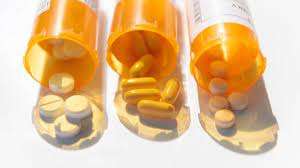
The use of oral hypoglycemic agents is common in managing type 2 diabetes. These medications aid in lowering blood glucose through various mechanisms complementing lifestyle efforts.
- Treatment Purpose: Oral drugs may improve insulin sensitivity, increase insulin secretion from the pancreas, or reduce hepatic glucose production depending on the class used.
- Dosing Considerations:The regimen depends on individual glycemic targets, tolerance profiles, kidney function status, and co-existing illnesses.
- Monitoring : Regular follow-up with laboratory tests tracks efficacy as well as side effects such as gastrointestinal disturbances or hypoglycemia risk.
- Patient Education : Patients must understand correct timing/dosage instructions along with potential signs requiring urgent attention.
Combining oral agents with lifestyle modification offers effective glycemic control minimizing risk associated with uncontrolled hyperglycemia.
PHYSICAL ACTIVITY RECOMMENDATIONS FOR DIABETES
An active lifestyle is highly beneficial for people living with diabetes. Regular exercise supports better insulin sensitivity and helps maintain healthy weight ranges over time.
- Benefits: Exercise lowers blood sugar levels by increasing muscle uptake of glucose independent of insulin action.
- Suitable Types: Aerobic activities like walking or cycling complemented by strength training optimize metabolic health outcomes.
- Cautions: Monitoring for hypoglycemia during physical activity is important especially if on insulin or certain oral agents.
- Counseling Points: Start gradually with achievable goals; consistency matters more than intensity initially to build routine safely.
Lifestyle modifications incorporating regular physical activity form a cornerstone of diabetes care improving both short-term control and long-term prognosis.
DIETARY MANAGEMENT IN DIABETES
A balanced diet plays a foundational role in managing diabetes effectively. Proper nutritional choices help regulate blood sugar levels and support overall health.
- Main Focus: Emphasize consumption of complex carbohydrates like whole grains, fiber-rich vegetables, lean proteins, and healthy fats while limiting sugars and refined carbs.
- Causal Benefits: Consistent meal timing helps stabilize glucose levels by reducing sudden spikes after eating.
- Nutritional Assessment: Individualized plans consider personal preferences, energy needs, coexisting medical conditions, and cultural factors.
- Sustainability: Long-term adherence to dietary recommendations aids weight management and reduces risk of complications such as cardiovascular disease.
A comprehensive diet strategy empowers patients with diabetes to maintain steady glycemic control naturally alongside medications if prescribed.
CONTINUOUS GLUCOSE MONITORING (CGM)
Continuous Glucose Monitoring is an advanced technology that provides real-time blood sugar readings throughout the day. It helps individuals better understand their glucose patterns beyond occasional fingerstick tests.
- Purpose: CGM devices track fluctuations in glucose levels continuously using a sensor placed under the skin.
- User Benefits: Alerts notify users about high or low blood sugar trends promptly, enabling proactive adjustments in diet or medication.
- Implementation: Typically worn for several days or weeks at a time; data is usually transmitted wirelessly to a smartphone or receiver for easy access.
- Treatment Impact: CGM improves glycemic control by providing detailed insights that guide personalized treatment plans and lifestyle modifications.
This technology significantly enhances diabetes management by promoting awareness and timely interventions based on comprehensive glucose data.
DIABETIC KETOACIDOSIS (DKA) MANAGEMENT
Diabetic Ketoacidosis (DKA) is a serious complication of diabetes that requires prompt attention. It typically arises when the body cannot use glucose properly due to insulin deficiency, leading to high blood sugar and ketone accumulation.
- Symptoms and Causes: Patients often experience excessive thirst, frequent urination, nausea, abdominal pain, and rapid breathing. It usually develops in people with type 1 diabetes but can occur in type 2 during severe stress or illness.
- Diagnosis: Blood tests check for high glucose levels, presence of ketones, and acid-base imbalance.
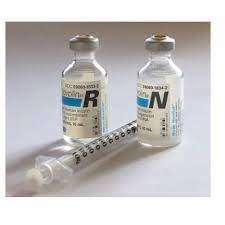
- Treatment Approaches: Key management involves fluid replacement, insulin therapy to reduce blood sugar and ketones, and electrolyte correction.
- Monitoring: Continuous monitoring of vital signs and biochemical parameters is crucial during treatment to avoid complications.
Early recognition and timely hospital care are essential. With proper treatment, patients can recover fully from DKA while learning how to prevent future episodes through better diabetes control.