
Dr Shantanu Agar
About Me
Dr Shantanu Agar
MBBS
Infectious disease specialists
10 Years Experience
Biography
My Clinic
OPD Hours
| Monday | Morning | 10:00 AM | - | 02:00 PM |
| Evening | 06:00 PM | - | 09:00 PM | |
| Tuesday | Morning | 10:00 AM | - | 02:00 PM |
| Evening | 06:00 PM | - | 09:00 PM | |
| Wednesday | Morning | 10:00 AM | - | 02:00 PM |
| Evening | 06:00 PM | - | 09:00 PM | |
| Thursday | Morning | 10:00 AM | - | 02:00 PM |
| Evening | 06:00 PM | - | 09:00 PM | |
| Friday | Morning | 10:00 AM | - | 02:00 PM |
| Evening | 06:00 PM | - | 09:00 PM | |
| Saturday | Morning | 10:00 AM | - | 02:00 PM |
| Evening | 06:00 PM | - | 09:00 PM | |
| Sunday | Morning | 10:00 AM | - | 02:00 PM |
| Evening | 06:00 PM | - | 09:00 PM |
Treatments
Specialised care and treatments offered
MANAGEMENT OF MULTIDRUG-RESISTANT INFECTIONS
Multidrug-resistant infections are caused by bacteria that have developed resistance to multiple antibiotics making them difficult to treat. Such infections require specialized approaches focusing on prevention and control as well as tailored therapy options adapted from sensitivity testing results .
- Causes often involve previous antibiotic misuse , hospital stays , invasive procedures , or weakened immune defenses .
- Diagnosis entails cultures , susceptibility profiles , molecular diagnostics identifying resistance genes .
- Treatment options focus on using effective antimicrobial agents selected based on laboratory findings combined with supportive measures addressing underlying conditions .
- Strict infection control practices including hand hygiene , isolation precautions help limit spread within healthcare environments .
Continued vigilance integrating antimicrobial stewardship programs alongside patient-centered care maximizes success dealing with these challenging infections .
MANAGEMENT OF VIRAL MENINGITIS

Viral meningitis causes inflammation of the membranes surrounding the brain and spinal cord due to viral infections. It is often less severe than bacterial meningitis but still requires attentive care.
- The condition presents with headache, fever, neck stiffness, sensitivity to light, and sometimes nausea or vomiting.
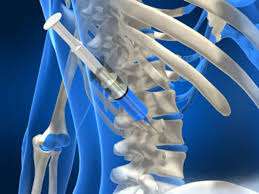
- A lumbar puncture analyzing cerebrospinal fluid is key for diagnosis distinguishing viral from bacterial causes accurately.
- Treatment mainly involves supportive care such as hydration, pain relief, rest, and monitoring symptoms closely without specific antiviral drugs in most cases.
- Lifestyle advice promotes adequate rest while avoiding strenuous activity until full recovery occurs within days to weeks typically reported duration varies based on virus type involved).
A careful supportive management strategy assists in symptom resolution while preventing complications effectively in viral meningitis patients.
LYME DISEASE PREVENTION AND MANAGEMENT

Lyme disease is an infection transmitted by tick bites carrying the Borrelia bacteria. Early recognition prevents serious complications affecting joints, heart, or nervous system.
- The initial symptom often includes a characteristic expanding rash called erythema migrans along with flu-like symptoms such as fever and fatigue.
- Diagnosis combines clinical signs with serologic blood testing for antibodies against Borrelia species after several weeks of infection onset.
- The primary treatment involves oral antibiotics prescribed promptly following diagnosis to eliminate the bacteria efficiently.
- Lifestyle measures emphasize tick avoidance strategies such as protective clothing and insect repellents in endemic areas.
An informed approach incorporating prompt antibiotic therapy alongside preventive habits minimizes long-term consequences of Lyme disease effectively.
CHRONIC HEPATITIS B INFECTION

Chronic Hepatitis B is a long-term liver infection caused by the hepatitis B virus that can lead to serious complications if untreated. It often spreads through contact with infected body fluids.
- Many individuals remain asymptomatic initially; symptoms when present include fatigue, abdominal discomfort, and jaundice.
- Blood tests measuring hepatitis B surface antigen (HBsAg) confirm diagnosis along with liver function tests and imaging as needed.
- Treatment may not be necessary for all patients but antiviral medications are indicated in active liver disease cases to reduce viral replication.
- Lifestyle advice focuses on avoiding alcohol consumption and maintaining a healthy diet to support liver health.
- Regular surveillance for liver damage or cancer development is essential during follow-up visits.
A multidisciplinary management plan helps control disease progression in chronic hepatitis B carriers effectively.
HIV/AIDS CARE AND SUPPORT

Human Immunodeficiency Virus (HIV) is a virus that attacks the immune system. Without treatment, it may progress to Acquired Immunodeficiency Syndrome (AIDS), severely compromising immunity.
- The virus spreads through unprotected sex, blood transfusions, or from mother to child during childbirth or breastfeeding.
- The diagnosis relies on blood tests detecting antibodies or viral RNA levels.
- Antiretroviral therapy (ART) is critical; it suppresses viral replication and preserves immune function.
- Regular monitoring of CD4 counts and viral loads guides treatment adjustments.
- Supportive care includes counseling, prevention of opportunistic infections, and lifestyle adaptations like safe sex practices and nutrition optimization.
Early intervention with ART significantly improves quality of life and longevity for those affected by HIV/AIDS.
TUBERCULOSIS (TB) MANAGEMENT

Tuberculosis is a contagious bacterial infection that primarily affects the lungs but can involve other organs. It spreads through airborne droplets when an infected person coughs or sneezes.
- Symptoms include persistent cough, weight loss, night sweats, and fever.
- Diagnosis generally involves a chest X-ray, sputum tests, and sometimes a tuberculin skin test or interferon-gamma release assays.
- Treatment usually requires a prolonged course of multiple antibiotics over 6 months or more to fully eradicate the bacteria.
- The management includes monitoring adherence to medication to prevent resistance and periodic follow-up evaluations.
- Lifestyle modifications such as proper nutrition and avoiding tobacco improve treatment outcomes.
This comprehensive approach helps ensure effective control of TB while minimizing transmission risks.