
Dr Shalindra Kuma
About Me
Dr Shalindra Kuma
MBBS
General Physician
10 Years Experience
Biography
My Clinic
OPD Hours
| Monday | Morning | 10:00 AM | - | 02:00 PM |
| Evening | 06:00 PM | - | 09:00 PM | |
| Tuesday | Morning | 10:00 AM | - | 02:00 PM |
| Evening | 06:00 PM | - | 09:00 PM | |
| Wednesday | Morning | 10:00 AM | - | 02:00 PM |
| Evening | 06:00 PM | - | 09:00 PM | |
| Thursday | Morning | 10:00 AM | - | 02:00 PM |
| Evening | 06:00 PM | - | 09:00 PM | |
| Friday | Morning | 10:00 AM | - | 02:00 PM |
| Evening | 06:00 PM | - | 09:00 PM | |
| Saturday | Morning | 10:00 AM | - | 02:00 PM |
| Evening | 06:00 PM | - | 09:00 PM | |
| Sunday | Morning | 10:00 AM | - | 02:00 PM |
| Evening | 06:00 PM | - | 09:00 PM |
Treatments
Specialised care and treatments offered
ANEMIA EVALUATION AND TREATMENT
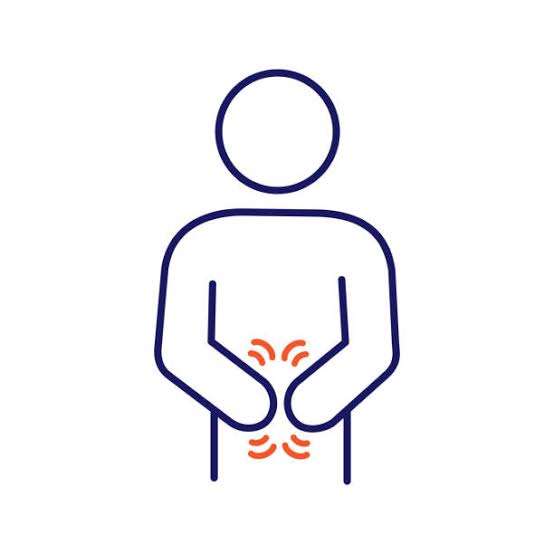
Anemia occurs due to reduced red blood cells affecting oxygen delivery throughout the body. Identifying the correct cause allows for targeted therapy that restores vitality.
- Common symptoms include fatigue, pale skin color, dizziness or shortness of breath during activity;
- Blood tests such as complete blood count & iron studies help determine anemia type & severity;
- Treatment depends on underlying cause: iron supplements for deficiency anemia; vitamin B12 injection for pernicious anemia; treating chronic disease related forms accordingly;
- Dietary advice often complements medical treatment for best outcomes;
- Improvement in symptoms typically noticeable within weeks of initiating therapy;
Efficient diagnosis followed by timely treatment leads most patients back toward energic normalcy safely.
CHRONIC OBSTRUCTIVE PULMONARY DISEASE (COPD) MONITORING

This progressive lung disease makes breathing difficult over time but can be managed effectively with appropriate interventions. Early recognition helps slow disease progression.
- Primary causes include smoking exposure or air pollutants leading to airway inflammation;
- Symptoms typically involve breathlessness on exertion, chronic cough producing sputum;
- Diagnosis relies on spirometry testing to assess lung function accurately;
- Management combines smoking cessation support plus inhaled bronchodilators or corticosteroids;
- Pulmonary rehabilitation programs improve exercise tolerance & quality of life;
With proper adherence to treatments patients often experience fewer flare-ups & improved daily functioning despite this long-term illness.
HYPOTHYROIDISM MANAGEMENT
The thyroid gland’s function influences many bodily processes. Underactive thyroid hormone production requires careful regulation for maintaining normal metabolism and energy levels.
- Main symptoms include: Fatigue, weight gain, cold intolerance, dry skin, hair thinning, constipation
- This condition is diagnosed by measuring serum thyroid hormone levels (TSH & T4).
- Treatment primarily involves daily hormone replacement therapy using levothyroxine, guided by regular blood tests
ACUTE RESPIRATORY INFECTION TREATMENT
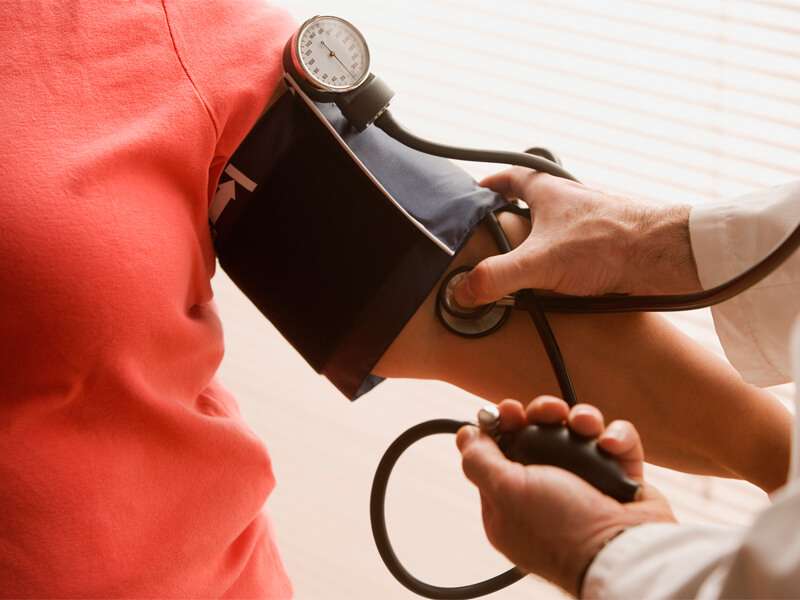
Infections affecting the airways are frequent reasons for seeking general medical care. Prompt attention ensures symptom relief and avoids progression to severe illness.
- Causative agents: Most often viral but can also be bacterial; environmental factors contribute to susceptibility.
- Symptoms commonly seen: Include cough, sore throat, nasal congestion, fever, and difficulty breathing in some cases.
- Diagnostic methods: Clinical examination supported by chest X-rays or lab tests if necessary aids proper diagnosis.
- Treatment modalities: Supportive care with hydration, rest; antibiotics only if bacterial infection confirmed;
- Disease course expectations: Symptoms usually resolve within one to two weeks with appropriate care;
An accurate diagnosis combined with suitable treatment prevents complications like pneumonia or chronic respiratory issues following infection.
TYPE 2 DIABETES MELLITUS CARE
This chronic condition affects how your body processes sugar. Early detection and consistent management can significantly improve quality of life and prevent complications.
- Understanding symptoms: Increased thirst, frequent urination, fatigue, and blurred vision may indicate issues with blood sugar control.
- Confirmation via tests: Blood glucose tests such as fasting plasma glucose or HbA1c levels help in diagnosis.
- Treatment strategies: Lifestyle changes including diet adjustment and exercise alongside oral medications or insulin when necessary.
- Regular monitoring: Periodic blood sugar checks guide treatment effectiveness and adjustments.
- Preventing complications: Proper care minimizes risks of cardiovascular problems, neuropathy, eye damage, and kidney issues.
Lifelong commitment to management with healthcare guidance promotes optimal health for those living with type 2 diabetes.
HYPERTENSION MANAGEMENT
High blood pressure is a common health condition that requires ongoing monitoring and care to prevent serious complications. Understanding how to manage this condition effectively can lead to better overall heart health.
- Symptoms and causes: Often called the "silent killer," it may have no obvious symptoms but can be triggered by lifestyle, genetics, and diet.
- Diagnosis: Blood pressure readings over multiple visits confirm high blood pressure; ambulatory monitoring may be used.
- Treatment options: Includes lifestyle modifications like diet and exercise, along with prescribed medications to control pressure levels.
- Monitoring and follow-up: Regular check-ups are critical to ensure treatment efficacy and adjust plans as needed.
- Long-term outlook: Proper management reduces risks of stroke, heart attack, and kidney disease.
A comprehensive approach combining medical treatment and lifestyle changes is essential for managing hypertension successfully.