
DR SHAILENDRA SIN
About Me
DR SHAILENDRA SIN
MBBS
General Physician
10 Years Experience
Biography
My Clinic
OPD Hours
| Monday | Morning | 10:00 AM | - | 02:00 PM |
| Evening | 06:00 PM | - | 09:00 PM | |
| Tuesday | Morning | 10:00 AM | - | 02:00 PM |
| Evening | 06:00 PM | - | 09:00 PM | |
| Wednesday | Morning | 10:00 AM | - | 02:00 PM |
| Evening | 06:00 PM | - | 09:00 PM | |
| Thursday | Morning | 10:00 AM | - | 02:00 PM |
| Evening | 06:00 PM | - | 09:00 PM | |
| Friday | Morning | 10:00 AM | - | 02:00 PM |
| Evening | 06:00 PM | - | 09:00 PM | |
| Saturday | Morning | 10:00 AM | - | 02:00 PM |
| Evening | 06:00 PM | - | 09:00 PM | |
| Sunday | Morning | 10:00 AM | - | 02:00 PM |
| Evening | 06:00 PM | - | 09:00 PM |
Treatments
Specialised care and treatments offered
ANEMIA DIAGNOSIS AND MANAGEMENT
Anemia results from insufficient red blood cells or hemoglobin leading to decreased oxygen supply throughout the body. Proper diagnosis identifies underlying causes allowing targeted treatment plans.
- Causes include : Nutritional deficiencies (iron,B12), chronic diseases,infections or bone marrow problems
- Diagnosis techniques : Hemoglobin measurement via complete blood count,blood smear examination,and iron studies help determine anemia type
- Treatment modalities : Iron supplementation,diet modification,and managing primary conditions form the basis of therapy depending on anemia etiology
- Prognosis : With timely intervention,fatigue improves,and normal oxygen delivery resumes enhancing quality of life
Awareness about anemia’s signs combined with thorough evaluation leads to effective resolution in most patients
THYROID FUNCTION TESTING

The thyroid gland impacts many body functions by regulating metabolism through hormone secretion. Testing its function helps diagnose disorders that often present subtle symptoms initially.
- Pertinent symptoms: Fatigue, unexplained weight changes, cold intolerance or mood swings might raise suspicion of thyroid imbalance
- Labs performed: Measurement of TSH (thyroid stimulating hormone), free T3 and T4 hormones guide diagnosis accurately
- Treatment overview:If underactive (hypothyroidism), hormone replacement therapy becomes necessary; overactivity (hyperthyroidism) can require medications that reduce hormone production
ROUTINE HEALTH CHECK-UP

A comprehensive health check-up is an important preventive measure to identify potential health issues before they become serious. It forms a cornerstone for maintaining overall health.
- Main components: Physical examination combined with laboratory investigations such as complete blood count and lipid profile provide insight into current health status.
- Screens included: Blood sugar levels, kidney function tests, liver enzymes checks among others help detect silent diseases early on.
- Lifestyle review: Assessment of diet habits, physical activity level and mental health status supports tailored recommendations for improvement.
- You should expect: A detailed report explaining findings along with guidance on necessary follow-ups or lifestyle modifications aimed at prevention rather than cure.
This routine evaluation enables proactive healthcare decisions facilitating a healthier life trajectory over time.
ACUTE RESPIRATORY INFECTION EVALUATION
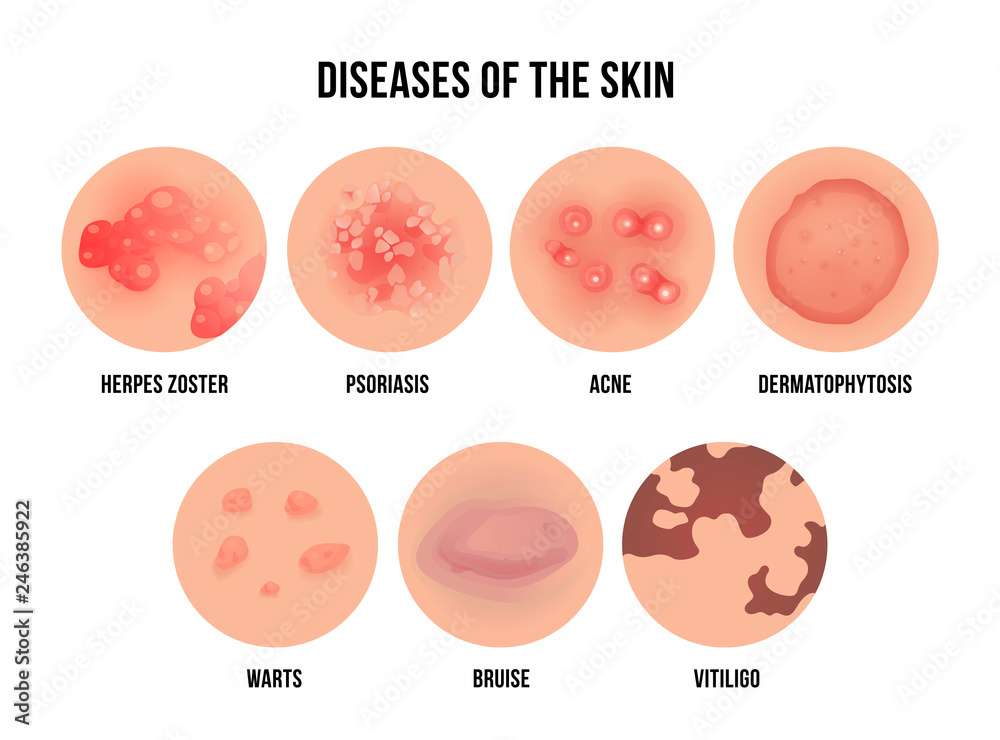
Infections affecting the respiratory tract are common reasons for doctor visits. Proper evaluation ensures correct diagnosis and appropriate treatment.
- Causative agents: Most commonly viruses but bacteria may also cause infections like bronchitis or pneumonia.
- Symptom assessment: Includes cough, fever, shortness of breath, and chest discomfort which guide clinical suspicion.
- Diagnostic tools: Physical examination augmented by chest X-rays or sputum cultures may aid identification of the specific infection type.
- Treatment plans: Usually symptomatic care for viral cases; antibiotics reserved for bacterial infections according to guidelines.
A timely evaluation reduces risk of complications and promotes quicker recovery from respiratory illnesses.
DIABETES MELLITUS SCREENING

Diabetes mellitus is a metabolic disorder characterized by high blood sugar levels due to insulin issues. Early screening helps in prompt intervention to avoid complications.
- Risk factors: Includes family history, obesity, sedentary lifestyle, and age over 45 years.
- Diagnostic methods: Blood tests such as fasting plasma glucose, HbA1c levels, or oral glucose tolerance tests confirm diagnosis.
- Treatment avenues: Emphasizes diet control, physical activity enhancement, oral hypoglycemics, or insulin therapy when required.
- Monitoring protocol: Regular check-ups with blood sugar monitoring help manage the disease effectively.
Lifestyle changes combined with medical treatment allow many patients to maintain quality of life despite diabetes.
HYPERTENSION MANAGEMENT
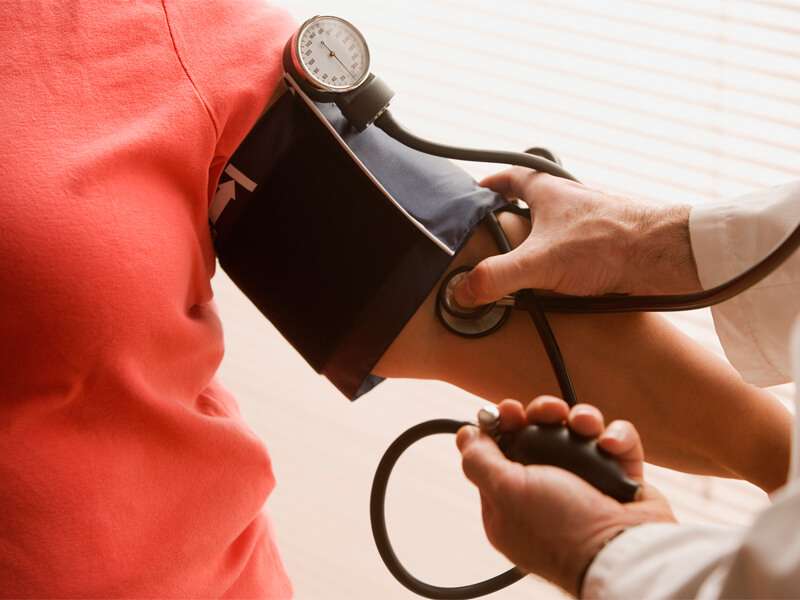
High blood pressure, or hypertension, is a common chronic condition that requires ongoing attention to prevent serious health complications. Understanding this condition is essential for maintaining long-term wellness.
- Symptoms and causes: Often called the 'silent killer,' hypertension may not show symptoms but can be caused by genetics, obesity, high salt intake, stress, and sedentary lifestyle.
- Diagnosis: Regular blood pressure measurements using a sphygmomanometer help detect elevated levels; ambulatory monitoring may be used if needed.
- Treatment options: Lifestyle modifications such as diet changes and exercise are vital; medications like ACE inhibitors or diuretics may be prescribed depending on severity.
- Management expectations: With proper care, blood pressure can be controlled effectively, reducing risks of heart attack and stroke.
Early identification and consistent management are key to living well with hypertension.