
Dr Shailenda Sin
About Me
Dr Shailenda Sin
MBBS
Dermatologist
10 Years Experience
Biography
My Clinic
OPD Hours
| Monday | Morning | 10:00 AM | - | 02:00 PM |
| Evening | 06:00 PM | - | 09:00 PM | |
| Tuesday | Morning | 10:00 AM | - | 02:00 PM |
| Evening | 06:00 PM | - | 09:00 PM | |
| Wednesday | Morning | 10:00 AM | - | 02:00 PM |
| Evening | 06:00 PM | - | 09:00 PM | |
| Thursday | Morning | 10:00 AM | - | 02:00 PM |
| Evening | 06:00 PM | - | 09:00 PM | |
| Friday | Morning | 10:00 AM | - | 02:00 PM |
| Evening | 06:00 PM | - | 09:00 PM | |
| Saturday | Morning | 10:00 AM | - | 02:00 PM |
| Evening | 06:00 PM | - | 09:00 PM | |
| Sunday | Morning | 10:00 AM | - | 02:00 PM |
| Evening | 06:00 PM | - | 09:00 PM |
Treatments
Specialised care and treatments offered
ACNE SCAR REDUCTION USING DERMAL FILLERS
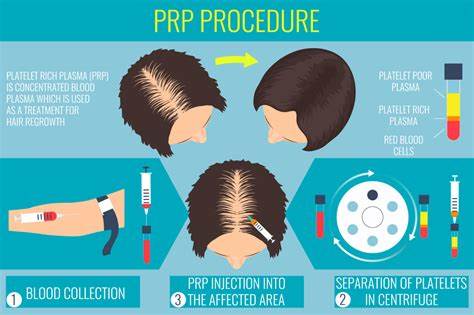
Dermal fillers offer a minimally invasive option to improve depressed acne scars by restoring volume beneath the damaged tissue. This treatment enhances facial contours producing smoother appearance in treated areas progressively over time.
- Indications: Rolling or boxcar types of scars respond well due to volume loss component.
- Pre-treatment assessment: Detailed evaluation identifies scar types suitable for filler correction. Procedure outline: Injection of biocompatible substances like hyaluronic acid carefully fills depressions immediately lifting scarred areas.
The result is instant improvement with minimal downtime; repeat sessions may be needed periodically to maintain optimal aesthetic outcomes within a comprehensive scar management plan.
TOPICAL TREATMENT OF PSORIASIS
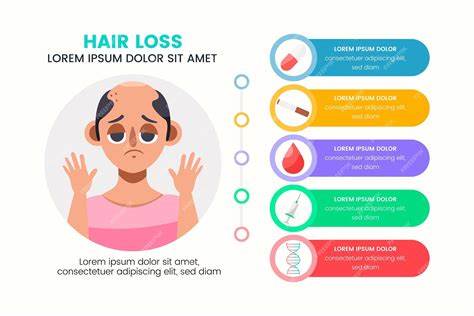
A chronic autoimmune condition characterized by thickened red patches covered with silvery scales. Topical treatments aim to slow rapid cell turnover while reducing inflammation at affected sites effectively managing symptoms long term.
- Disease overview: Psoriasis commonly manifests on elbows, knees, scalp but can occur anywhere including nails.
- Diagnostic methods: Clinical examination combined with patient history confirms diagnosis; biopsy rarely required.
- Treatment approach: Includes corticosteroids, vitamin D analogues, moisturizers applied directly on plaques.
- Monitoring progress: Regular follow-up assesses response guiding adjustments in potency/duration.
- Expected outcome: With adherence improvement is achievable though periodic flares necessitate ongoing care.
Early intervention reduces discomfort improving quality of life through effective topical regimens designed specifically for chronic plaque management.
MICRONEEDLING THERAPY
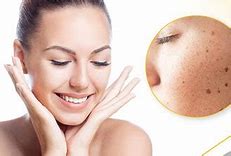
A technique involving tiny sterile needles creating micro-injuries in the skin to stimulate natural collagen production. It aims at improving texture irregularities and overall skin tone gently yet effectively.
- Main applications: Used for acne scars, enlarged pores, wrinkles, and stretch marks improvement.
- Efficacy confirmation: Examination of scar characteristics helps assess suitability for microneedling treatment plans.
- The procedure itself:The device rolls or stamps small needles penetrating superficially into the dermis promoting healing response without significant damage.
- Treatment frequency:A series of 3-6 sessions spaced weeks apart yields optimal remodeling effects over time.
The gradual improvement enhances confidence by restoring healthier-looking skin while maintaining safety through controlled injury levels during therapy sessions.
LASER HAIR REMOVAL
This technique employs concentrated light beams aimed at hair follicles to reduce unwanted hair permanently. It is preferred for large areas requiring long-term hair reduction with minimal downtime.
- Indications: Commonly used on facial hair, legs, arms, underarms, and bikini area for cosmetic purposes.
- Pre-treatment evaluation: Skin type and hair color assessment ensure safe settings tailored for effective results.
- Treatment sessions: Multiple visits spaced weeks apart are necessary as lasers only affect hairs in active growth phases.
- Pain management: Most patients experience mild tingling sensations; cooling devices help enhance comfort during procedures.
- Post-care advice: Sun protection and avoiding irritants optimize healing while minimizing complications like redness or pigment changes.
This controlled technology provides a practical alternative to shaving or waxing with lasting benefits when performed properly by trained professionals.
CRYOTHERAPY FOR SKIN LESIONS
Cryotherapy uses extreme cold to freeze abnormal skin tissues such as warts and precancerous spots. It's a quick outpatient procedure that targets superficial lesions without surgery.
- What it treats: Effective for benign growths like warts, actinic keratosis, and some superficial skin cancers.
- Assessment: Diagnosis involves clinical examination sometimes supplemented by dermoscopy or biopsy if needed.
- Treatment process: Liquid nitrogen is applied using a spray or probe to freeze affected cells causing them to die off gradually.
- Management considerations: Sessions may be repeated for complete lesion clearance depending on size and type.
- Healing and side effects: Mild discomfort, blistering, or temporary pigment changes can occur but usually resolve over time.
This minimally invasive method offers an efficient way to remove problematic lesions safely under professional guidance.
CHEMICAL PEELS
Chemical peels are a cosmetic procedure used to improve the texture and appearance of the skin by removing damaged outer layers. This technique promotes regeneration and can target various skin concerns.
- Causes and uses: Suitable for treating acne scars, sun damage, uneven pigmentation, and fine lines.
- Diagnosis: A thorough skin examination helps determine the appropriate type and depth of peel for individual needs.
- Treatment options: Different chemical solutions such as alpha hydroxy acids, trichloroacetic acid, or phenol are applied based on severity and goals.
- Procedure details: The solution is applied evenly to the skin; peeling typically follows days after with new skin revealing improved appearance.
- Expected outcomes: Results vary but commonly include smoother texture, clearer complexion, and reduction in pigmentation irregularities.
This non-invasive approach requires proper aftercare to support healing and maximize benefits while minimizing risks like irritation or hyperpigmentation.