
Dr Shaifali Dadhi
About Me
Dr Shaifali Dadhi
MD
Cardiologist
10 Years Experience
Biography
My Clinic
OPD Hours
| Monday | Morning | 10:00 AM | - | 02:00 PM |
| Evening | 06:00 PM | - | 09:00 PM | |
| Tuesday | Morning | 10:00 AM | - | 02:00 PM |
| Evening | 06:00 PM | - | 09:00 PM | |
| Wednesday | Morning | 10:00 AM | - | 02:00 PM |
| Evening | 06:00 PM | - | 09:00 PM | |
| Thursday | Morning | 10:00 AM | - | 02:00 PM |
| Evening | 06:00 PM | - | 09:00 PM | |
| Friday | Morning | 10:00 AM | - | 02:00 PM |
| Evening | 06:00 PM | - | 09:00 PM | |
| Saturday | Morning | 10:00 AM | - | 02:00 PM |
| Evening | 06:00 PM | - | 09:00 PM | |
| Sunday | Morning | 10:00 AM | - | 02:00 PM |
| Evening | 06:00 PM | - | 09:00 PM |
Treatments
Specialised care and treatments offered
ELECTROPHYSIOLOGICAL STUDY

An electrophysiological study (EPS) assesses electrical activity within the heart to diagnose arrhythmias that lead to abnormal heart rhythms. It’s key for pinpointing the origin of electrical disturbances affecting normal heartbeat patterns.
- Patients reporting frequent irregularities such as rapid heartbeat episodes might be referred for this procedure after initial evaluations have raised concerns.
- Diagnosis involves threading catheters through blood vessels into the heart where electrical signals are measured directly while stimulating different areas deliberately inducing arrhythmias.
- Treatment afterward could entail catheter ablation when indicated or tailored medication regimens aimed at stabilization based on precise mapping performed during EPS.
- This intervention typically takes several hours but includes thorough monitoring both before and after it concludes ensuring safety throughout.
The information gathered during this study profoundly aids specialists in formulating effective management plans geared toward arrhythmic control enhancing long-term cardiac wellness prospects
CARDIAC MRI
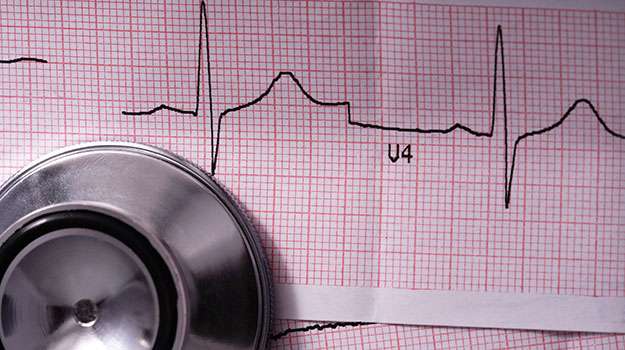
A Cardiac MRI (Magnetic Resonance Imaging) provides detailed images of the heart's structures without using radiation. This advanced imaging technique offers unparalleled clarity in assessing various cardiac conditions.
- This test typically targets patients presenting with complex symptoms such as chronic chest pain or unexplained shortness of breath after other tests have been inconclusive.
- The diagnosis involves lying still inside an MRI machine where powerful magnets capture high-resolution images of the heart muscle and blood vessels over time while also evaluating functionality post-stress tests if needed.
- Treatment options can vary widely; they often involve lifestyle modifications combined with medications once specific issues are identified through imaging results.
- Pain management techniques may be employed during scanning if necessary since some patients find prolonged lying still uncomfortable.
The insights gained from a Cardiac MRI provide critical information essential for individualized treatment planning in managing diverse cardiovascular issues.
CORONARY ANGIOGRAPHY
Coronary angiography is a specialized imaging technique used to visualize the coronary arteries. This procedure is crucial for diagnosing blockages that could lead to significant cardiac events like heart attacks.
- Patients may report suspicious symptoms, such as severe chest pain or unexplained fatigue preceding this procedure.
- The diagnosis is made using contrast dye injected into the coronary arteries while X-ray images are taken, highlighting any abnormalities present within those vessels.
- Treatment options following analysis may include angioplasty or stent placement for blocked arteries along with medication management strategies for optimal results.
- This minimally invasive procedure usually takes about 30 minutes and requires patient monitoring post-procedure for safety reasons.
Coronary angiography serves as a cornerstone in determining appropriate interventions for cardiac care and preserving overall cardiovascular health.
HOLTER MONITOR
A Holter monitor is a portable device worn by patients to continuously record heart rhythm over 24 to 48 hours. It provides critical insights into cardiac activity during daily activities and sleep patterns.
- This test is often recommended if you experience irregular heartbeat symptoms like palpitations or fainting spells that are not captured during standard exams.
- The diagnosis involves attaching electrodes to the chest that transmit data to the recorder worn on a belt or shoulder strap.
- Treatment plans may incorporate lifestyle modifications based on findings from the monitor’s data analysis, helping manage conditions more effectively.
- You will undergo normal activities while wearing the device; however, certain precautions regarding water exposure need to be followed.
Your Holter monitor results can guide your doctor in designing an appropriate treatment strategy tailored to your specific needs.
STRESS TESTING
A stress test evaluates how well your heart functions during physical exertion. It provides valuable information about heart performance under stress and helps identify problems that might not be apparent at rest.
- Common symptoms prompting a stress test include irregular heartbeats, dizziness, or fatigue during exercise.
- The condition is evaluated by monitoring your heart rate, blood pressure, and ECG while you walk on a treadmill or pedal a stationary bike.
- If abnormal results are found, treatment may involve further testing or lifestyle recommendations to mitigate risks.
- Patients should be prepared for a monitored session ranging from 10 to 30 minutes, depending on their fitness level and medical history.
This test plays an essential role in guiding management strategies for individuals at risk of cardiovascular disease.
ECHOCARDIOGRAM
An echocardiogram is a vital diagnostic tool used to visualize the heart's structure and function. This ultrasound-based imaging technique allows healthcare providers to assess various aspects of cardiac health.
- Symptoms that may lead to this test include unexplained shortness of breath, chest pain, or fatigue.
- The condition is diagnosed through sound waves that create images of the heart's chambers, valves, and blood flow.
- Treatment options depend on findings; they may range from medication adjustments to lifestyle changes aimed at improving cardiac health.
- During the procedure, patients can expect non-invasive monitoring with minimal discomfort.
- Echocardiograms can also aid in tracking heart disease progression over time.
This procedure offers crucial insights into your cardiovascular health and helps guide future treatment decisions.