
Dr Shahid Iqbal
About Me
Dr Shahid Iqbal
MBBS
Internal Medicine
10 Years Experience
Biography
My Clinic
OPD Hours
| Monday | Morning | 10:00 AM | - | 02:00 PM |
| Evening | 06:00 PM | - | 09:00 PM | |
| Tuesday | Morning | 10:00 AM | - | 02:00 PM |
| Evening | 06:00 PM | - | 09:00 PM | |
| Wednesday | Morning | 10:00 AM | - | 02:00 PM |
| Evening | 06:00 PM | - | 09:00 PM | |
| Thursday | Morning | 10:00 AM | - | 02:00 PM |
| Evening | 06:00 PM | - | 09:00 PM | |
| Friday | Morning | 10:00 AM | - | 02:00 PM |
| Evening | 06:00 PM | - | 09:00 PM | |
| Saturday | Morning | 10:00 AM | - | 02:00 PM |
| Evening | 06:00 PM | - | 09:00 PM | |
| Sunday | Morning | 10:00 AM | - | 02:00 PM |
| Evening | 06:00 PM | - | 09:00 PM |
Treatments
Specialised care and treatments offered
PREVENTIVE HEALTH CHECK-UPS
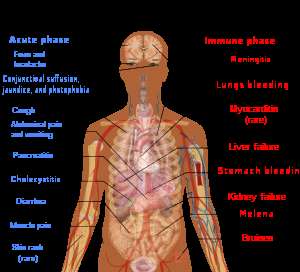
The importance of routine preventive health examinations cannot be overstated. They provide an opportunity for early detection of potential health issues before symptoms arise.
CHRONIC OBSTRUCTIVE PULMONARY DISEASE (COPD) MONITORING
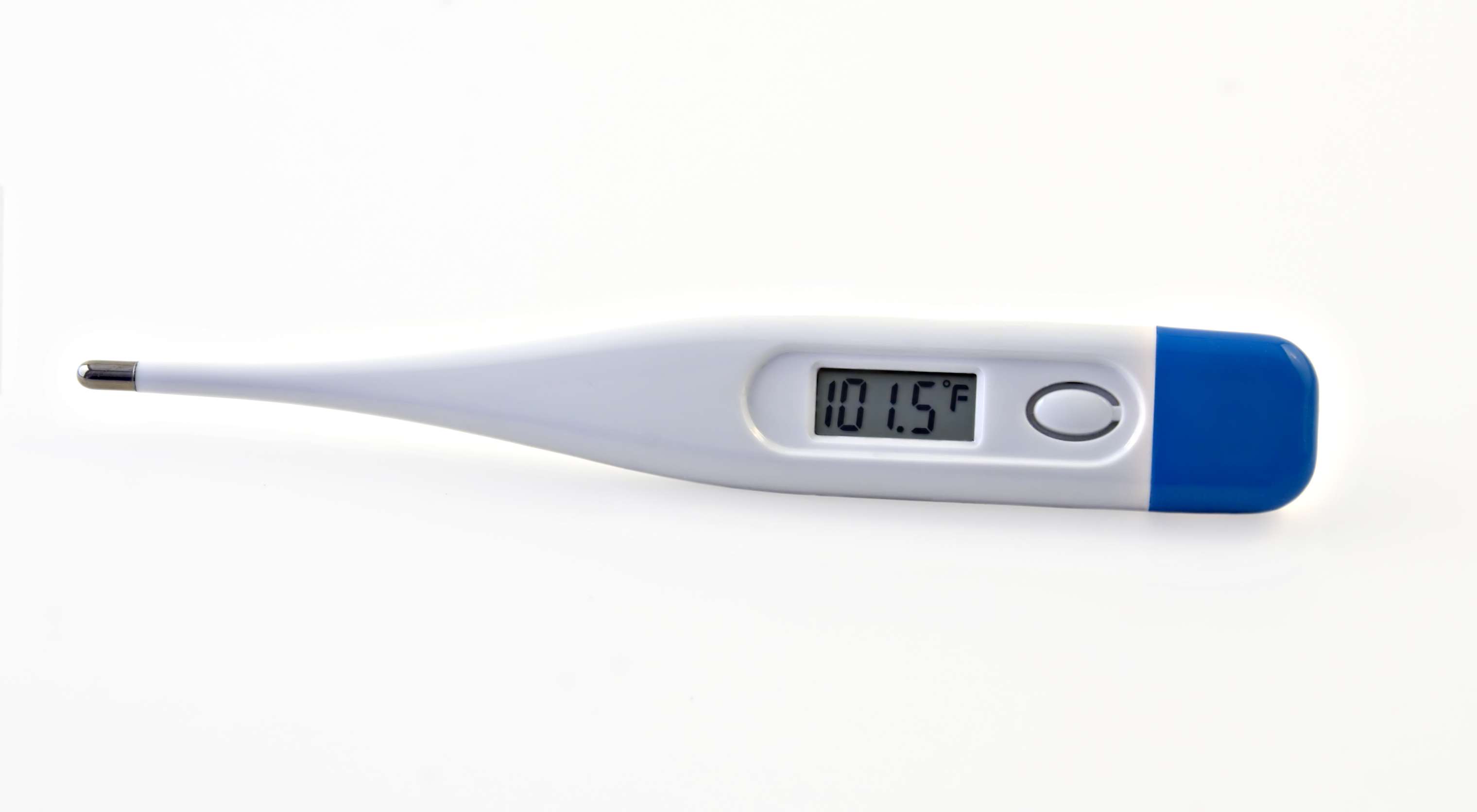
COPD is a progressive lung disease primarily caused by smoking leading to airflow limitation. Early recognition and management help improve patient comfort and slow progression.
- Symptoms : Chronic cough , shortness of breath , sputum production , frequent respiratory infections .
- Diagnosis : Spirometry testing confirms airflow obstruction severity ; chest imaging supports evaluation .
- Treatment : Smoking cessation , bronchodilators , inhaled corticosteroids , pulmonary rehabilitation help relieve symptoms .
- Follow-Up Care : Regular assessments prevent exacerbations ; timely vaccinations ( influenza , pneumococcal ) reduce infection risks .
Effective COPD monitoring combined with lifestyle changes enhances quality of life even though the disease is chronic in nature .
ANEMIA EVALUATION AND TREATMENT
Anemia results from a deficiency of red blood cells or hemoglobin affecting oxygen delivery throughout the body. Identifying underlying causes is vital for proper treatment.
- Causative Factors: Nutritional deficiencies (iron, B12), chronic diseases, or blood loss commonly cause anemia symptoms such as fatigue and pallor.
- Diagnostic Approach: Complete blood count (CBC) along with iron studies aid in differentiating anemia types for targeted therapy.
- Treatment Strategies: Depending on cause—supplementation with iron or vitamins, managing chronic illnesses or addressing bleeding sources may be necessary.
- Mild Cases Management: Diet improvements often support recovery alongside medical treatments when required.
CHOLESTEROL SCREENING AND LIPID MANAGEMENT
Lipid disorders often contribute silently to cardiovascular diseases. Routine cholesterol screening identifies individuals at risk who may benefit from intervention.
- Causal Factors: Genetics, unhealthy diets high in saturated fats, obesity, and lack of physical activity can raise cholesterol levels.
- Diagnostic Tests: Lipid profile blood test measures LDL, HDL, total cholesterol, and triglycerides values.
- Treatment Modalities: Lifestyle changes including dietary adjustments alongside medications like statins may be employed based on risk assessment.
- Lifestyle Importance: Regular exercise can improve lipid profiles significantly in addition to pharmacologic measures when prescribed.
- Efficacy Monitoring: Periodic re-testing tracks therapeutic effectiveness ensuring cardiovascular protection goals are met.
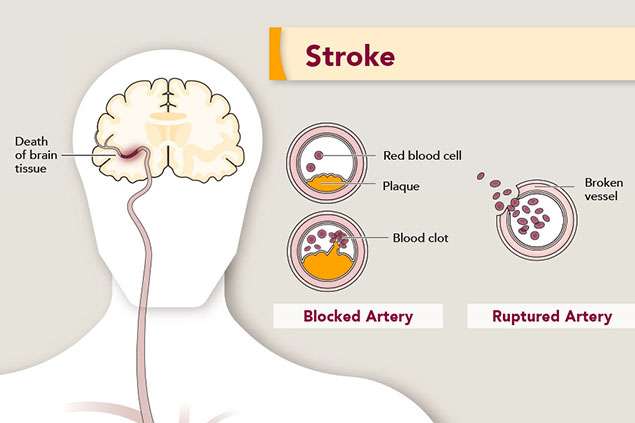
A focused strategy addressing cholesterol abnormalities helps reduce risks related to heart attacks and strokes effectively over time.
DIABETES MELLITUS SCREENING AND CONTROL
Diabetes mellitus is a metabolic disorder characterized by elevated blood sugar levels. Early detection through screening helps prevent complications.
- Risk Factors: Includes obesity, family history, sedentary lifestyle, and age.
- Screening Methods: Blood tests like fasting glucose and HbA1c levels assess sugar control status.
- Treatment Approaches: Emphasize lifestyle changes such as diet regulation and exercise; some cases require oral hypoglycemics or insulin therapy.
- Ongoing Monitoring: Regular testing guides therapy adjustments to maintain target glucose levels.
- Prevention Focus: Addressing prediabetes with interventions can delay or prevent progression to full diabetes.
A comprehensive approach combining screening and management leads to better health outcomes for those at risk or living with diabetes mellitus.
HYPERTENSION MANAGEMENT
High blood pressure is a common condition that can silently cause serious damage to the heart and blood vessels if left untreated. Understanding how to control it is essential for maintaining long-term health.
- Causes and Symptoms: Often asymptomatic, hypertension may develop due to genetics, lifestyle factors such as diet and stress, or other medical conditions.
- Diagnosis: Blood pressure readings taken over multiple visits help confirm persistent elevation above normal levels.
- Treatment Options: Lifestyle modifications including diet and exercise, along with possible medications like ACE inhibitors or beta blockers, are commonly used to control blood pressure.
- Monitoring: Regular check-ups and home monitoring assist in adjusting treatment plans effectively.
- Outlook: With consistent management, risks of heart attack, stroke, and kidney disease can be significantly reduced.
Taking proactive steps can lead to better outcomes and improved quality of life for individuals affected by hypertension.