
Dr Shachindra She
About Me
Dr Shachindra She
MBBS
General Physician
10 Years Experience
Biography
My Clinic
OPD Hours
| Monday | Morning | 10:00 AM | - | 02:00 PM |
| Evening | 06:00 PM | - | 09:00 PM | |
| Tuesday | Morning | 10:00 AM | - | 02:00 PM |
| Evening | 06:00 PM | - | 09:00 PM | |
| Wednesday | Morning | 10:00 AM | - | 02:00 PM |
| Evening | 06:00 PM | - | 09:00 PM | |
| Thursday | Morning | 10:00 AM | - | 02:00 PM |
| Evening | 06:00 PM | - | 09:00 PM | |
| Friday | Morning | 10:00 AM | - | 02:00 PM |
| Evening | 06:00 PM | - | 09:00 PM | |
| Saturday | Morning | 10:00 AM | - | 02:00 PM |
| Evening | 06:00 PM | - | 09:00 PM | |
| Sunday | Morning | 10:00 AM | - | 02:00 PM |
| Evening | 06:00 PM | - | 09:00 PM |
Treatments
Specialised care and treatments offered
ACUTE UPPER RESPIRATORY TRACT INFECTION (URTI) CARE
The common cold or acute URTI affects the nose, throat, sinuses causing discomfort but generally resolves within days without severe complications in most cases.
- Symptoms & causative factors: Sneezing, sore throat, nasal congestion caused mainly by viruses like rhinovirus transmission via droplets.
- Clinical diagnosis elements: Physical examination focusing on respiratory signs aids early identification.
- Treatment measures: Symptom relief using analgesics, hydration; antibiotics rarely required unless bacterial infection suspected.
- Outcome expectations: Most recover fully within 7-10 days though supportive care enhances comfort during illness period.
Prompt recognition helps limit spread while ensuring appropriate home care promotes faster recovery without unnecessary medication use.
ANEMIA DIAGNOSIS AND MANAGEMENT

Anemia occurs when there is a deficiency in red blood cells or hemoglobin leading to decreased oxygen delivery throughout the body. It's important to identify its cause for appropriate treatment.
- Main symptoms & causes: Fatigue, pallor, shortness of breath; result from nutritional deficiencies, chronic disease or blood loss.
- Laboratory evaluations: Complete blood count (CBC), iron studies help differentiate anemia types accurately.
- Treatment options: Iron supplements for deficiency anemia; addressing underlying conditions such as bleeding sources is critical.
- Prognosis: Many forms respond well to therapy but require follow-up testing until resolution.
Early recognition enables timely interventions improving patient energy levels and overall health status effectively.
HYPOTHYROIDISM TREATMENT
An underactive thyroid gland leads to reduced hormone production affecting metabolism. Hypothyroidism requires ongoing treatment to maintain balance in bodily functions.
- Recognizing signs & causes: Fatigue, weight gain, cold intolerance; commonly linked to autoimmune diseases or iodine deficiency.
- Differential diagnosis techniques: Blood tests measuring thyroid hormone T4 and thyroid stimulating hormone (TSH) levels confirm diagnosis.
- Therapeutic approaches: Daily oral levothyroxine replacement therapy tailored according to hormone levels and symptomatic response.
- Lifelong management expectations: Regular monitoring ensures hormone doses remain effective avoiding overtreatment or undertreatment complications.
Adequate therapy restores normal metabolism allowing patients to resume their daily activities with improved well-being over time.
CHRONIC OBSTRUCTIVE PULMONARY DISEASE (COPD) MANAGEMENT
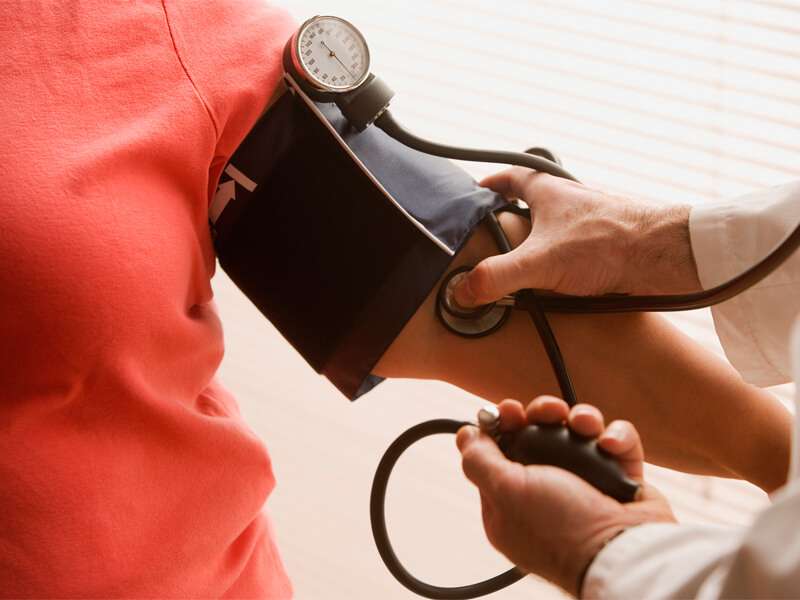
COPD is a progressive lung disease that makes breathing difficult. It usually results from long-term exposure to harmful particles or gases such as cigarette smoke.
- Main symptoms & causes: Persistent cough, shortness of breath, wheezing; caused primarily by smoking or air pollution exposure.
- Evolving diagnosis tools: Pulmonary function tests including spirometry to assess airflow limitation severity.
- Treatment modalities: Smoking cessation support, inhaled bronchodilators, steroids; oxygen therapy in advanced stages.
- Disease course understanding: A lifelong condition managed through symptom control and regular medical checkups to improve quality of life.
A comprehensive approach combining medication adherence and lifestyle changes can significantly ease symptoms for those affected by COPD.
TYPE 2 DIABETES MELLITUS CARE
This metabolic disorder is characterized by elevated blood sugar levels due to insulin resistance. Proper management prevents serious health issues over time.
- Symptoms & Causes: Increased thirst, frequent urination, fatigue; influenced by obesity, inactivity, family history.
- Diagnostic approach: Blood tests including fasting glucose and HbA1c levels determine disease presence and control.
- Treatment strategies: Lifestyle modifications with balanced diet and physical activity; oral hypoglycemic agents or insulin when necessary.
- Prognosis & follow-up: Regular monitoring of glucose levels and screening for complications like neuropathy are essential for good outcomes.
With proper care, individuals with type 2 diabetes can lead active lives while minimizing risks of long-term damage.
HYPERTENSION MANAGEMENT
High blood pressure is a common condition where the force of blood against artery walls is consistently too high. Managing hypertension is vital to reduce the risk of heart disease and stroke.
- Symptoms and causes: Often called the "silent killer" as it may not show symptoms; causes include stress, obesity, diet, and genetics.
- Diagnosis: Regular blood pressure monitoring using a cuff and sometimes ambulatory devices over 24 hours.
- Treatment options: Lifestyle changes such as diet and exercise; medications including ACE inhibitors, beta-blockers, or diuretics.
- Management expectations: Chronic condition requiring ongoing monitoring; controlling hypertension reduces cardiovascular risks significantly.
Early detection and consistent treatment help in maintaining healthy blood pressure levels and preventing complications.