
Dr Sethi Fractur
About Me
Dr Sethi Fractur
MS
Orthopaedic Surgeons
10 Years Experience
Biography
My Clinic
OPD Hours
| Monday | Morning | 10:00 AM | - | 02:00 PM |
| Evening | 06:00 PM | - | 09:00 PM | |
| Tuesday | Morning | 10:00 AM | - | 02:00 PM |
| Evening | 06:00 PM | - | 09:00 PM | |
| Wednesday | Morning | 10:00 AM | - | 02:00 PM |
| Evening | 06:00 PM | - | 09:00 PM | |
| Thursday | Morning | 10:00 AM | - | 02:00 PM |
| Evening | 06:00 PM | - | 09:00 PM | |
| Friday | Morning | 10:00 AM | - | 02:00 PM |
| Evening | 06:00 PM | - | 09:00 PM | |
| Saturday | Morning | 10:00 AM | - | 02:00 PM |
| Evening | 06:00 PM | - | 09:00 PM | |
| Sunday | Morning | 10:00 AM | - | 02:00 PM |
| Evening | 06:00 PM | - | 09:00 PM |
Treatments
Specialised care and treatments offered
HIP FRACTURE
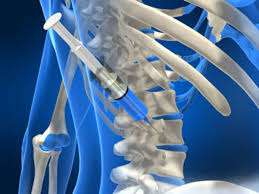
A hip fracture often occurs due to falls or trauma particularly affecting older adults whose bones may be weakened by osteoporosis. This injury poses serious implications for mobility and independence...
- Symptoms: Patients typically experience severe hip pain unable to bear weight on the affected leg.
- Cause:
PLANTAR FASCIITIS

This common foot condition involves inflammation of the plantar fascia—the thick band of tissue that connects your heel bone to your toes. It's prevalent among runners and people with sedentary lifestyles alike.
- Causes: Factors include excessive running or standing, being overweight, or having flat feet or high arches.
Diagnosis:A thorough examination along with patient history assists healthcare providers in identifying this condition.
Treatment options:The initial approach includes rest, ice application, stretching exercises, and orthotics. If conservative measures fail to provide relief within several months surgical intervention may be needed.
What to expect:Most patients achieve significant improvement with appropriate measures over time allowing a return to daily activities without discomfort.
Recognition of early signs plays a critical role in effective treatment pathways.
CARPAL TUNNEL SYNDROME

This condition results from pressure on the median nerve in the wrist leading to numbness and tingling in the hand. It's commonly seen in individuals who perform repetitive tasks.
- Symptoms: Patients often feel pain or numbness in their fingers especially when gripping objects or at night.
- Diagnosis: A detailed history along with nerve conduction studies helps confirm carpal tunnel syndrome's presence.
- Treatment options: Initial management may include wrist splints or anti-inflammatory medications; severe cases might require surgery to relieve pressure on the nerve.
Timely diagnosis is crucial for preventing worsening symptoms and restoring function effectively without long-term consequences.
SHOULDER IMPINGEMENT SYNDROME

This condition occurs when shoulder tendons become irritated and inflamed as they pass through the shoulder joint. It is common among athletes as well as manual laborers.
- Symptoms: Typical signs include pain during overhead activities and a decreased range of motion in the shoulder.
- Diagnosis: Physical examinations alongside imaging techniques such as X-rays or MRI provide insight into the condition's severity.
- Treatment options: Initially involves rest and modification of activities; physical therapy is also vital. In resistant cases, corticosteroid injections or surgery may be necessary.
A proactive approach can alleviate discomfort effectively and restore normal function over time.
OSTEOARTHRITIS

This degenerative joint disease is prevalent among older adults and can significantly affect mobility. It results from wear-and-tear on joints over time.
- Causes: Factors include age, prior injuries, obesity, and genetics.
- Symptoms: Patients often report joint pain, stiffness especially after inactivity, and swelling.
- Diagnosis: A combination of patient history, physical exams, and imaging studies help confirm osteoarthritis.
- Treatment options: Management focuses on pain relief with medications, lifestyle modifications like weight loss, and physical therapies. In advanced cases, joint replacement surgery may be considered.
Recognizing the early signs can lead to more effective management strategies for maintaining mobility and quality of life.
ACL TEAR

An anterior cruciate ligament (ACL) tear is a common knee injury, particularly among athletes. It often occurs during sports that require sudden stops or changes in direction.
- Symptoms: Patients typically experience pain, swelling, and instability in the knee.
- Diagnosis: A thorough physical examination and imaging tests like MRI are used to confirm the injury.
- Treatment options: Depends on the severity. Non-surgical methods include physical therapy, while severe cases may need reconstructive surgery.
- Management: Rehabilitation plays a crucial role in recovery; it focuses on restoring strength and range of motion.
- Expectations: With proper treatment, many individuals can return to their previous activities within six to twelve months.
Early intervention can significantly improve outcomes, so it's important to seek care promptly if symptoms arise.