
Dr Sen Mallik
About Me
Dr Sen Mallik
B.P.T
Physiotherapist
10 Years Experience
Biography
My Clinic
OPD Hours
| Monday | Morning | 10:00 AM | - | 02:00 PM |
| Evening | 06:00 PM | - | 09:00 PM | |
| Tuesday | Morning | 10:00 AM | - | 02:00 PM |
| Evening | 06:00 PM | - | 09:00 PM | |
| Wednesday | Morning | 10:00 AM | - | 02:00 PM |
| Evening | 06:00 PM | - | 09:00 PM | |
| Thursday | Morning | 10:00 AM | - | 02:00 PM |
| Evening | 06:00 PM | - | 09:00 PM | |
| Friday | Morning | 10:00 AM | - | 02:00 PM |
| Evening | 06:00 PM | - | 09:00 PM | |
| Saturday | Morning | 10:00 AM | - | 02:00 PM |
| Evening | 06:00 PM | - | 09:00 PM | |
| Sunday | Morning | 10:00 AM | - | 02:00 PM |
| Evening | 06:00 PM | - | 09:00 PM |
Treatments
Specialised care and treatments offered
NEUROMUSCULAR RE-EDUCATION
Nueromuscular re-education aims at restoring proper movement patterns by integrating sensory feedback mechanisms into therapeutic exercises. It plays a crucial role in helping patients recover from issues affecting coordination, balance,and fine motor skills traditionally illustrated after injuries or surgeries.
- Key identifying signs showcasing need for treatment include imbalance,trouble performing tasks requiring coordination along with other neuromotor deficits experienced post-injury.
- Most frequently experienced triggers leading up symptoms could derive from neurological conditions,musculoskeletal injuries manifesting instability throughout body networks .
- Accurate evaluations track patients' progress regularly provide necessary information required establishing appropriate diagnoses guiding targeted interventions .
- Such approaches utilize an array of relevant modalities including functional training,balance drills,and individualized exercise plans integrated closely into everyday routines .
- Expect noticeable improvements over time once committed towards dedicated practice ensuring safe application across challenges faced daily !
Ultimately , understanding how neural pathways interact inspires an empowering approach fostering stronger functional results achieved collectively strengthening core systems interrelatedly .
SPORTS INJURY REHABILITATION
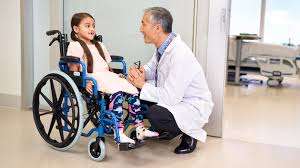
Sports injury rehabilitation focuses on both recovery from injuries sustained during athletic activities and preventing future occurrences. An effective rehab program addresses both immediate symptoms and longer-term functional outcomes for athletes at all levels.
- Athletes often report distinct symptoms, including pain or swelling immediately following injury events during sports activities.
- Commonly identified underlying causes might be due to improper training techniques or insufficient conditioning before engaging in intense physical activity.
- A thorough clinical assessment forms the basis of accurate diagnosis based upon observed symptoms alongside diagnostic imaging if necessary.
- Treatment usually incorporates tailored exercise regimes alongside behavioral modifications aimed at safer participation in sports.
- Expect skilled monitoring throughout your rehab journey leading to gradual return-to-sport phases aligned with performance goals.[
Prioritizing education about injury prevention alongside recovery fully supports long-lasting athletic wellness moving forward.
JOINT MOBILIZATION

Joint mobilization involves manual therapy techniques aimed at improving joint movement and alleviating pain. This technique is commonly used in treating conditions affecting joint functionality throughout the body.
- Pain around joints often signals underlying issues such as arthritis or tendonitis, which are typical symptoms.
- The primary causes may relate to restricted movement resulting from injury or chronic conditions impacting joint health over time.
- A detailed differential diagnosis, involving patient history and physical assessments, allows physiotherapists to identify appropriate mobilization techniques effectively.
- This modality includes gentle movements designed to increase range of motion while simultaneously reducing discomfort through targeted management plans.
- You will likely experience enhanced mobility along with significant pain relief as regular sessions progress under professional supervision.
The aim of joint mobilization is fostering healthier joints that contribute positively to your daily activities and overall function.
POST-SURGERY REHABILITATION

Post-surgery rehabilitation is vital for regaining strength and function after a surgical procedure. The right rehabilitation program can expedite recovery and reduce complications during healing phases.
- The initial symptoms post-surgery may include swelling, stiffness, or limited mobility in the affected area.
- Certain surgical interventions necessitate tailored rehabilitation plans that focus on targeted recovery goals based on procedures performed.
- A careful diagnosis, informed by pre- and post-operative evaluations, helps craft an individualized rehab strategy.
- This process often includes a combination of physical therapy techniques such as stretching, strengthening exercises, and manual therapy methods to accelerate healing.
- You should anticipate a gradual increase in activity levels as your body adapts over time with professional guidance throughout recovery sessions.
The goal is to not only restore pre-surgery function but also enhance overall wellness through progressive rehabilitation efforts.
TENNIS ELBOW

Tennis elbow is characterized by pain and inflammation around the elbow joint, primarily due to repetitive motion. Despite its name, it can occur in anyone who engages in repetitive arm activities.
- The most noticeable symptoms include tenderness and pain on the outer part of the elbow.
- This condition often arises from chronic overuse or strain placed on the elbow's muscles and tendons.
- A thorough diagnosis generally involves physical examinations and sometimes imaging tests like MRI or ultrasound.
- Management strategies may include physiotherapy with specific exercises aimed at enhancing flexibility and strength while reducing tension on the affected area.
- You can expect gradual improvement with consistent treatment adherence combined with lifestyle adjustments to prevent recurrence.
Easing the pain while restoring functionality is key to managing tennis elbow effectively.
CHRONIC BACK PAIN

Chronic back pain is a common condition that affects individuals of all ages, often stemming from various underlying causes. This persistent pain can significantly alter daily activities and overall quality of life.
- Symptoms may include dull, aching sensations or sharp pain that radiates down the legs.
- Common causes involve muscle strains, poor posture, or degenerative disc disease.
- This condition is typically diagnosed through physical examinations and medical history assessments.
- Treatment options range from physiotherapy focusing on strengthening exercises to lifestyle modifications such as ergonomic adjustments at work.
- Patients can expect a comprehensive management plan that emphasizes long-term relief rather than short-term fixes.
Understanding this condition is crucial for effective management, which helps in restoring function and alleviating discomfort.