
DR SD Dondiyaal
About Me
DR SD Dondiyaal
MBBS
General Physician
10 Years Experience
Biography
My Clinic
OPD Hours
| Monday | Morning | 10:00 AM | - | 02:00 PM |
| Evening | 06:00 PM | - | 09:00 PM | |
| Tuesday | Morning | 10:00 AM | - | 02:00 PM |
| Evening | 06:00 PM | - | 09:00 PM | |
| Wednesday | Morning | 10:00 AM | - | 02:00 PM |
| Evening | 06:00 PM | - | 09:00 PM | |
| Thursday | Morning | 10:00 AM | - | 02:00 PM |
| Evening | 06:00 PM | - | 09:00 PM | |
| Friday | Morning | 10:00 AM | - | 02:00 PM |
| Evening | 06:00 PM | - | 09:00 PM | |
| Saturday | Morning | 10:00 AM | - | 02:00 PM |
| Evening | 06:00 PM | - | 09:00 PM | |
| Sunday | Morning | 10:00 AM | - | 02:00 PM |
| Evening | 06:00 PM | - | 09:00 PM |
Treatments
Specialised care and treatments offered
SEASONAL ALLERGIC RHINITIS MANAGEMENT
This condition features nasal inflammation from allergic reactions during certain seasons due to pollen exposure. Symptoms are bothersome but manageable with proper care.
- S/S & Triggers:: Sneezing fits, nasal congestion, itchy eyes commonly triggered by grass or tree pollens.
- Diagnostic Confirmation Methods Include:: Medical history review combined with allergy testing such as skin prick tests.
- Treatment Regimens Available Are:: Avoidance measures during peak pollen times; antihistamines or nasal corticosteroids alleviate symptoms effectively.
- The Expected Course With Treatment In Place Is:: Noticeable symptom relief allowing normal activities during allergy seasons following compliance.
OBESITY MANAGEMENT

An excess accumulation of body fat increases risk for multiple chronic diseases. Addressing obesity requires comprehensive strategies focusing on sustainable changes rather than quick fixes.
- Causative Factors & Indicators:: Imbalance between calorie intake versus expenditure; genetic predisposition also contributes.
- Evidential Diagnosis:: Body mass index (BMI) calculation helps categorize weight status along with waist circumference assessment.
- Nonsurgical Treatments Include:: Nutritional counseling encouraging balanced meals; physical activity promotion; behavioral therapy support.
- User Expectations During Treatment Course:: Gradual weight loss leading to improved metabolic health markers over months with consistent effort.
A multidisciplinary approach under medical guidance optimizes outcomes while enhancing overall well-being through achievable lifestyle adjustments.
CHRONIC OBSTRUCTIVE PULMONARY DISEASE (COPD) SUPPORT

COPD is a progressive lung disease making breathing difficult due to airflow obstruction. Early recognition and management improve quality of life substantially.
- Main Symptoms & Causes: Chronic cough with mucus production; primary cause is long-term exposure to cigarette smoke or pollutants.
CHOLESTEROL REGULATION
An imbalance of cholesterol types in the blood can increase cardiovascular risk. Controlling cholesterol is vital for heart health maintenance.
- Identification Signs and Causes: Usually asymptomatic; linked to poor diet, inactivity, genetics, and other conditions like diabetes.
- How It Is Diagnosed: Blood lipid profile checks levels of LDL (bad cholesterol), HDL (good cholesterol), and triglycerides.
- Treatment Modalities: Dietary changes lowering saturated fat intake, increased exercise, possible statin therapy based on risk assessment.
- The Patient Journey: Periodic lab monitoring coupled with lifestyle adjustments often leads to improved lipid profiles over time.
A structured approach focusing on prevention through habits supports sustained cholesterol balance and vascular protection.
TYPE 2 DIABETES MELLITUS CARE

This form of diabetes involves insulin resistance resulting in elevated blood sugar levels. Proper management helps avoid serious complications.
- Symptoms and Risk Factors: Increased thirst and urination; risk factors include obesity, sedentary lifestyle, family history.
- Diagnostic Tests: Fasting glucose tests and HbA1c provide insight into blood sugar control.
- Treatment Approaches: Emphasis on balanced diet, regular physical activity, weight control; medications like metformin may be prescribed.
- What Patients Should Expect: Ongoing self-monitoring with healthcare support to maintain target glucose levels and prevent organ damage.
Lifestyle plays a pivotal role in managing Type 2 diabetes effectively alongside medical treatment when required.
HYPERTENSION MANAGEMENT
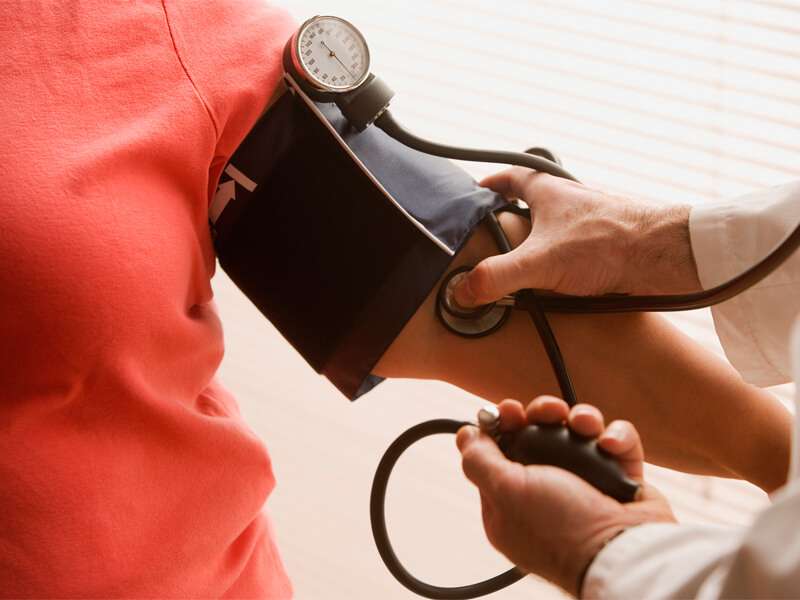
High blood pressure, or hypertension, is a common condition where the force of blood against artery walls stays elevated, potentially leading to health problems. Managing it effectively reduces risks of heart disease and stroke.
- Symptoms and Causes: Often called the 'silent killer' because it may have no symptoms; causes include genetics, obesity, stress, and excessive salt intake.
- Diagnosis: Blood pressure readings taken over multiple visits help confirm persistent high levels above 130/80 mm Hg.
- Treatment Options: Lifestyle changes like diet, exercise, quitting smoking, plus medications when necessary.
- Management Expectations: Regular monitoring and adherence to therapy can prevent complications; gradual improvement is common.
Effective control of hypertension involves consistent effort but significantly improves overall cardiovascular health and longevity.