
Dr SCShukla
About Me
Dr SCShukla
MBBS
General Physician
10 Years Experience
Biography
My Clinic
OPD Hours
| Monday | Morning | 10:00 AM | - | 02:00 PM |
| Evening | 06:00 PM | - | 09:00 PM | |
| Tuesday | Morning | 10:00 AM | - | 02:00 PM |
| Evening | 06:00 PM | - | 09:00 PM | |
| Wednesday | Morning | 10:00 AM | - | 02:00 PM |
| Evening | 06:00 PM | - | 09:00 PM | |
| Thursday | Morning | 10:00 AM | - | 02:00 PM |
| Evening | 06:00 PM | - | 09:00 PM | |
| Friday | Morning | 10:00 AM | - | 02:00 PM |
| Evening | 06:00 PM | - | 09:00 PM | |
| Saturday | Morning | 10:00 AM | - | 02:00 PM |
| Evening | 06:00 PM | - | 09:00 PM | |
| Sunday | Morning | 10:00 AM | - | 02:00 PM |
| Evening | 06:00 PM | - | 09:00 PM |
Treatments
Specialised care and treatments offered
VIRAL HEPATITIS SCREENING AND MANAGEMENT
Liver inflammation caused by viral infections poses significant health concerns worldwide. Proper identification aids in timely intervention reducing liver damage risk considerably.
- Etiology & Presentation: Common hepatitis viruses include A,B,C causing symptoms like jaundice abdominal discomfort dark urine
- Diagnostic Measures: Blood serology detecting specific antigens/antibodies alongside liver function tests clarify infection status
- Treatment Overview: Depending on virus type antiviral treatments exist including supportive care with hydration rest avoiding alcohol
- Prevention Tips: Immunization against hepatitis A/B availability safe hygiene practices protect from transmission especially in communal settings
A structured approach involving screening at-risk patients ensures better outcomes minimizing progression towards chronic liver disease
IRON DEFICIENCY ANEMIA

Anemia due to insufficient iron is a widespread nutritional deficiency impacting oxygen delivery by red blood cells. Early detection is vital for preventing fatigue-related complications.
OSTEOARTHRITIS CARE

A degenerative joint condition commonly affecting middle-aged and elderly individuals that leads to pain and stiffness in joints commonly knees and hips.
- Main Causes & Symptoms: Caused by cartilage breakdown resulting in joint pain, swelling, decreased mobility during activity or after rest periods.
- The Diagnostic Steps: Physical exam supported by imaging like X-ray reveals characteristic joint space narrowing indicating osteoarthritis severity.
- Treatment Modalities: Includes physical therapy exercises, weight management, pain relievers like NSAIDs; occasionally corticosteroid injections are used for flare-ups.
- Lifestyle Recommendations: Maintaining joint flexibility through low-impact activities prevents further deterioration of joints over time.
This chronic condition progresses slowly but can be managed effectively through combined therapies enhancing quality of life.
ACUTE RESPIRATORY INFECTIONS
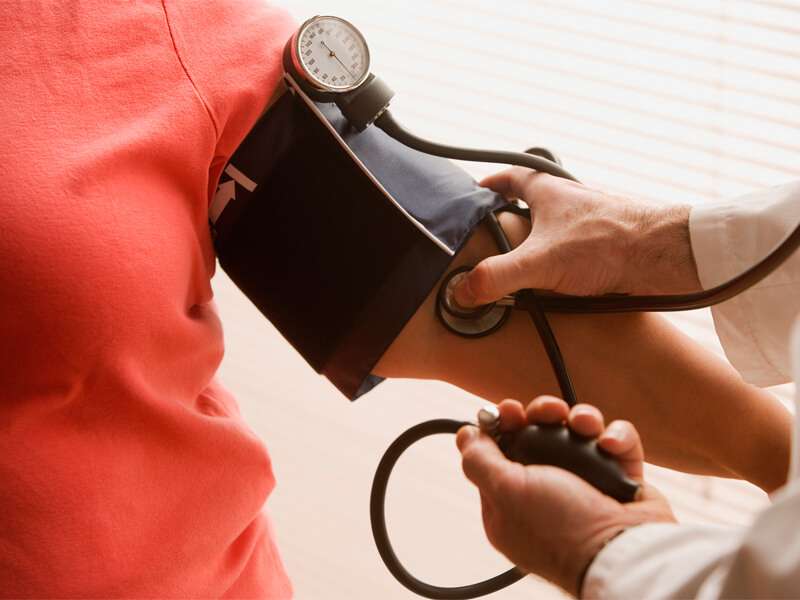
Acute respiratory infections affect the nose, throat, airways or lungs and are among the most common illnesses seen by general physicians across all age groups.
- Symptoms & Causes: Typical symptoms include cough, sore throat, fever; caused by viruses or bacteria transmitted through droplets.
- Diagnosis Process: Clinical examination supplemented by chest x-rays or laboratory tests in severe cases helps confirm diagnosis.
- Treatment Approaches: Supportive care includes hydration and rest; antibiotics may be used if bacterial infection is confirmed.
- Avoiding Complications: Timely treatment reduces risk of pneumonia or bronchitis developing from untreated infections.
Mild infections usually resolve within weeks but prompt medical advice is important for persistent or worsening symptoms.
TYPE 2 DIABETES MELLITUS
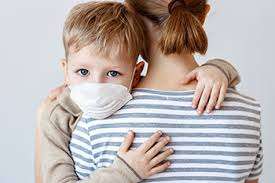
This chronic metabolic disorder is characterized by high blood sugar levels due to insulin resistance. It requires lifelong management to avoid complications.
- Causes and Symptoms: Common causes include obesity and sedentary lifestyle; symptoms range from increased thirst to frequent urination and fatigue.
- How It's Diagnosed: Blood tests such as fasting glucose and HbA1c help establish diagnosis.
- Treatment Strategies: Incorporates dietary modifications, regular physical activity, oral hypoglycemic drugs, and sometimes insulin therapy.
- Long-Term Care: Regular checkups to monitor blood sugar control and screening for potential organ damage are crucial.
This condition demands consistent self-care but can be effectively managed with appropriate lifestyle choices and medical support.
HYPERTENSION MANAGEMENT
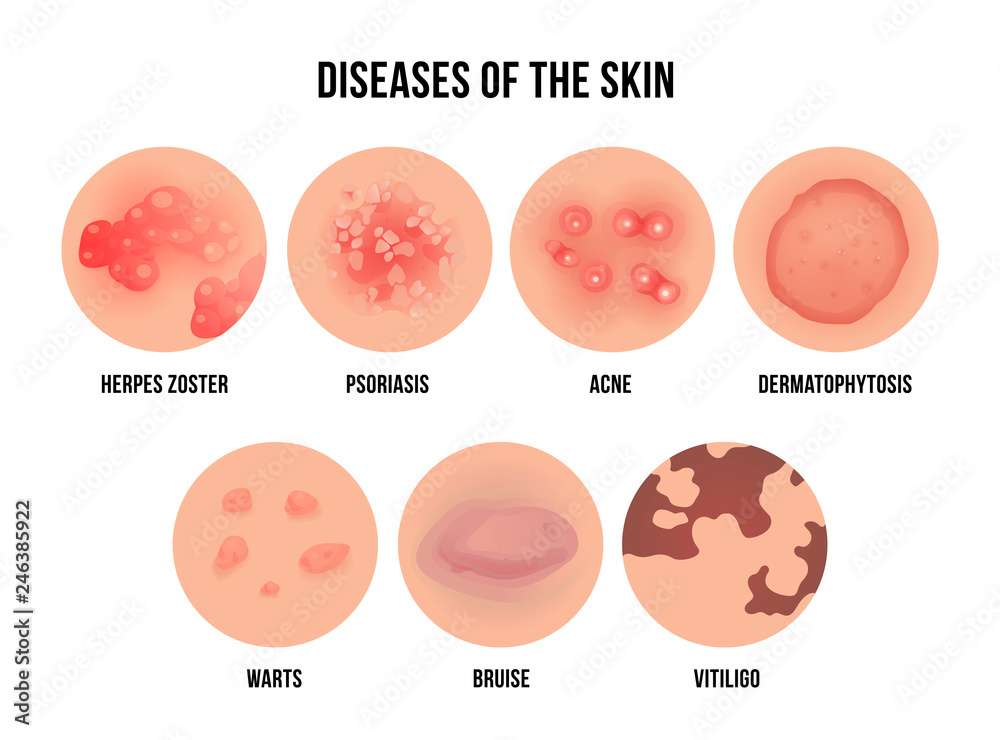
High blood pressure, or hypertension, is a common but serious condition affecting many adults. It increases the risk of heart disease and stroke if left uncontrolled.
- Symptoms and Causes: Often called the "silent killer," hypertension may have no symptoms; risk factors include genetics, unhealthy diet, obesity, and stress.
- Diagnosis: Regular blood pressure monitoring using a sphygmomanometer during clinic visits confirms diagnosis.
- Treatment Options: Lifestyle changes such as salt reduction, regular exercise, weight management, along with medications like ACE inhibitors or beta-blockers as prescribed.
- Management: Ongoing monitoring to ensure blood pressure stays within target levels and prevent complications.
With proper care and adherence to treatment plans, individuals can live healthy lives despite hypertension.