
Dr SC Gupta Cl
About Me
Dr SC Gupta Cl
MBBS
General Physician
10 Years Experience
Biography
My Clinic
OPD Hours
| Monday | Morning | 10:00 AM | - | 02:00 PM |
| Evening | 06:00 PM | - | 09:00 PM | |
| Tuesday | Morning | 10:00 AM | - | 02:00 PM |
| Evening | 06:00 PM | - | 09:00 PM | |
| Wednesday | Morning | 10:00 AM | - | 02:00 PM |
| Evening | 06:00 PM | - | 09:00 PM | |
| Thursday | Morning | 10:00 AM | - | 02:00 PM |
| Evening | 06:00 PM | - | 09:00 PM | |
| Friday | Morning | 10:00 AM | - | 02:00 PM |
| Evening | 06:00 PM | - | 09:00 PM | |
| Saturday | Morning | 10:00 AM | - | 02:00 PM |
| Evening | 06:00 PM | - | 09:00 PM | |
| Sunday | Morning | 10:00 AM | - | 02:00 PM |
| Evening | 06:00 PM | - | 09:00 PM |
Treatments
Specialised care and treatments offered
THYROID DISORDERS MANAGEMENT
The thyroid gland regulates many metabolic processes in the body. Both hypothyroidism and hyperthyroidism require careful medical evaluation for optimal health outcomes.
- Common presentations :Fatigue , weight changes , temperature sensitivity , palpitations ; causes include autoimmune diseases such as Hashimoto's thyroiditis or Graves' disease .
- Assessment :Blood tests measuring TSH , free T4 , free T3 levels diagnose dysfunction ; imaging studies sometimes required .
- Therapeutic options :Hypothyroidism managed with hormone replacement therapy ; hyperthyroidism treated by medications reducing hormone production , radioactive iodine , or surgery in select cases .
- Follow - up :Regular monitoring adjusts treatment dosages maintaining hormonal balance preventing complications .
With consistent care , patients can lead normal lives despite thyroid abnormalities .
ANEMIA EVALUATION AND TREATMENT

Anemia occurs when there are insufficient healthy red blood cells to carry adequate oxygen throughout the body. Addressing the underlying cause resolves symptoms in most cases effectively.
- Causative factors & symptoms: Fatigue, pallor, shortness of breath; common causes include nutritional deficiencies (iron, vitamin B12), chronic disease states or blood loss.
- Diagnostic approach: Complete blood count helps detect anemia type; further tests identify specific reasons including iron studies or bone marrow examination if necessary.
- Treatment protocols: Supplementation tailored according to deficiency (iron tablets, vitamin B12 injections); treating chronic illnesses contributing to anemia also essential;
- Prognosis :Most patients experience significant symptom improvement once appropriate therapy begins alongside regular monitoring .
Proper diagnosis followed by timely intervention greatly improves energy levels and overall well-being in anemic individuals .
IRRITABLE BOWEL SYNDROME (IBS) MANAGEMENT

Irritable bowel syndrome is a functional gastrointestinal disorder causing abdominal discomfort with altered bowel habits. Managing triggers improves daily comfort remarkably.
- Main symptoms and causes: Abdominal pain, bloating, diarrhea or constipation; stress and certain foods often exacerbate symptoms.
- Epidemiology and diagnosis: Diagnosis primarily based on clinical criteria after excluding other diseases through tests like stool analysis or colonoscopy if indicated.
- Treatment modalities: Dietary modifications including low FODMAP diet; medications tailored for predominant symptoms such as antispasmodics or laxatives/antidiarrheals;
- Lifestyle advice: Stress reduction techniques are beneficial alongside medication adherence for symptom control long term.
An individualized plan focused on symptom relief and lifestyle adjustment forms the cornerstone of effective IBS management.
CHRONIC OBSTRUCTIVE PULMONARY DISEASE (COPD) SUPPORT
COPD encompasses lung disorders that cause breathing difficulties. Early identification and ongoing care improve quality of life significantly.
- Causes and symptoms: Chronic cough, breathlessness, often due to smoking or environmental pollutants.
- Diagnostic methods: Spirometry tests measure lung function; imaging may assist evaluation.
- Treatment strategies: Smoking cessation is critical; bronchodilators, corticosteroids help relieve symptoms; pulmonary rehabilitation advised.
- The outlook: While COPD is progressive, proper management slows decline and reduces exacerbations.
Lifelong support focusing on symptom control enables patients to maintain independence longer despite this chronic condition.
TYPE 2 DIABETES MELLITUS CARE

This form of diabetes arises when the body becomes resistant to insulin or doesn't produce enough. Proper management can prevent severe complications associated with this chronic illness.
- Symptoms and causes: Increased thirst, frequent urination, fatigue; influenced by genetics, obesity, sedentary lifestyle.
- Diagnosis: Blood tests including fasting glucose levels and HbA1c provide confirmation.
- Treatment plan: Lifestyle adjustment focusing on balanced diet and regular exercise; oral medications or insulin therapy as needed.
- What to expect: Continuous follow-up for blood sugar monitoring to avoid complications like neuropathy or kidney damage.
A personalized approach with patient engagement is key to managing type 2 diabetes effectively over time.
HYPERTENSION MANAGEMENT
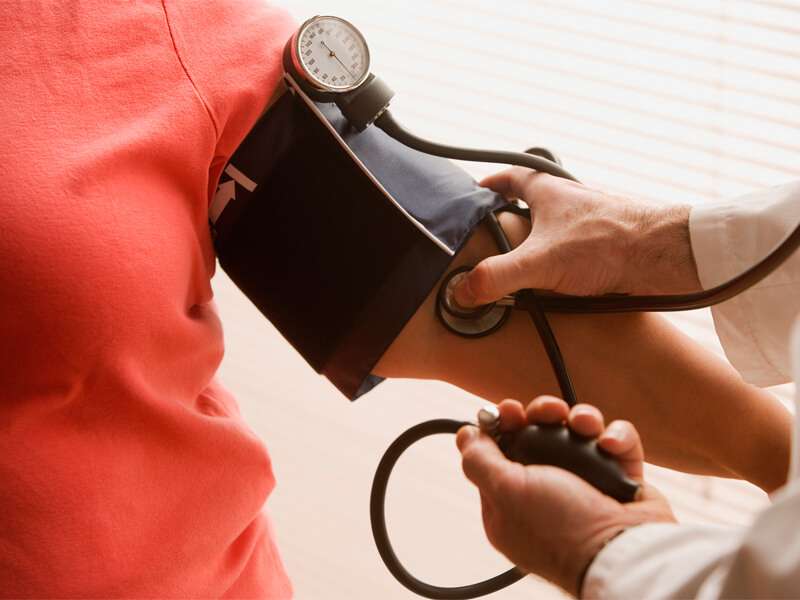
High blood pressure, or hypertension, is a common condition that can lead to serious health problems if left untreated. Understanding the importance of monitoring and controlling blood pressure is crucial for long-term health.
- Symptoms and causes: Often called the 'silent killer' as it may show no symptoms; causes include genetics, lifestyle factors such as diet and physical inactivity.
- Diagnosis: Regular blood pressure measurements using a cuff; multiple readings over time confirm diagnosis.
- Treatment options: Lifestyle changes like diet modification, increasing physical activity, weight management; medications including ACE inhibitors, beta-blockers as prescribed.
- Management expectations: Ongoing monitoring is important; with proper control, risks of stroke and heart disease decrease significantly.
Consistent adherence to treatment plans helps ensure healthy blood pressure levels and reduces potential complications.