
Dr SC Bajpai
About Me
Dr SC Bajpai
MBBS
General Physician
10 Years Experience
Biography
My Clinic
OPD Hours
| Monday | Morning | 10:00 AM | - | 02:00 PM |
| Evening | 06:00 PM | - | 09:00 PM | |
| Tuesday | Morning | 10:00 AM | - | 02:00 PM |
| Evening | 06:00 PM | - | 09:00 PM | |
| Wednesday | Morning | 10:00 AM | - | 02:00 PM |
| Evening | 06:00 PM | - | 09:00 PM | |
| Thursday | Morning | 10:00 AM | - | 02:00 PM |
| Evening | 06:00 PM | - | 09:00 PM | |
| Friday | Morning | 10:00 AM | - | 02:00 PM |
| Evening | 06:00 PM | - | 09:00 PM | |
| Saturday | Morning | 10:00 AM | - | 02:00 PM |
| Evening | 06:00 PM | - | 09:00 PM | |
| Sunday | Morning | 10:00 AM | - | 02:00 PM |
| Evening | 06:00 PM | - | 09:00 PM |
Treatments
Specialised care and treatments offered
GASTROESOPHAGEAL REFLUX DISEASE (GERD) CARE
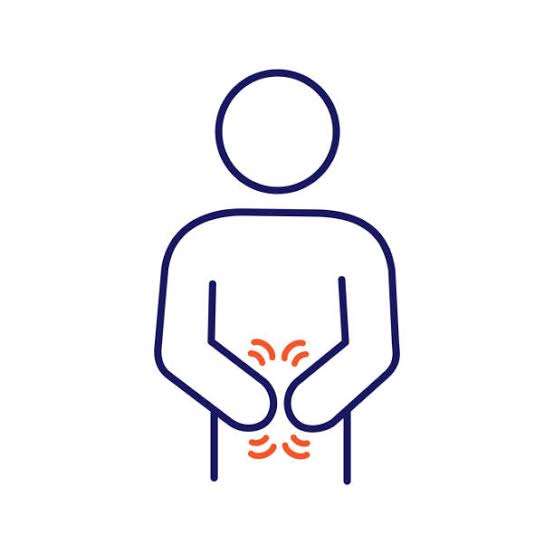
This digestive disorder involves stomach acid frequently flowing back into the esophagus causing irritation. GERD can lead to discomfort such as heartburn which should be addressed promptly for symptom relief and prevention of complications.
SEASONAL ALLERGIC RHINITIS TREATMENT

This allergic condition occurs due to hypersensitivity reactions triggered by airborne allergens such as pollen during specific seasons causing nasal inflammation. Symptoms can impact daily comfort substantially but are manageable with appropriate care.
- Causative agents & symptoms:Sneezing fits, nasal congestion or runny nose along with itchy eyes commonly occur in affected individuals during allergy seasons;
- Diagnosis involves: detailed history taking plus possible allergy testing assist in identifying specific allergens;
- The mainstay manual treatment: avoidance measures where possible alongside antihistamines or nasal corticosteroids reduce inflammation; < li>
OBESITY COUNSELING AND WEIGHT MANAGEMENT

The condition of obesity arises from excess body fat accumulation often due to an imbalance between calorie intake and expenditure. Managing weight effectively reduces risk for many diseases.
- Main causes & signs: Sedentary lifestyle coupled with high-calorie diets; visible excess body mass impacting daily function.
- Evaluation methods: Measurement tools like BMI calculation provide objective assessment of obesity severity.
- Treatment strategies: Personalized nutritional guidance focused on balanced low-calorie meals combined with gradual introduction to physical activities forms core therapy; behavior modification supports adherence;
- Additional support: When necessary, medical or surgical options may be discussed after thorough evaluation by specialists.
A sustained multifaceted approach empowers individuals toward healthier habits leading to gradual weight loss and improved overall health outcomes.
CHRONIC OBSTRUCTIVE PULMONARY DISEASE (COPD) SUPPORT
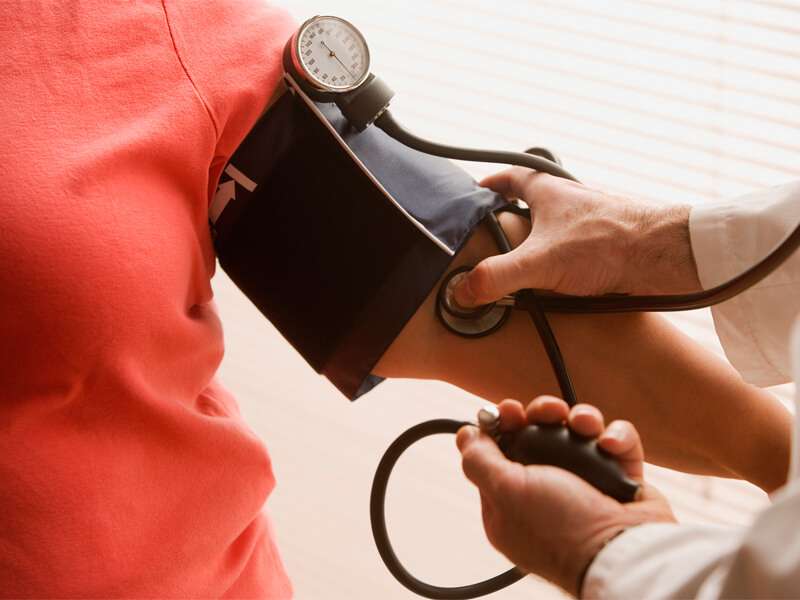
COPD is a progressive lung disease primarily caused by long-term exposure to irritants like tobacco smoke. It impairs airflow making breathing progressively difficult.
- Causative factors & symptoms: Smoking history is predominant; symptoms include chronic cough, mucus production, shortness of breath especially on exertion.
- Diagnostic tools: Spirometry measures lung function confirming airflow obstruction characteristic of COPD.
- Treatment modalities: Smoking cessation is critical; pulmonary rehabilitation exercises improve lung capacity; inhalers relieve airway constriction; vaccination helps prevent infections.
- Disease monitoring: Regular follow-up visits assess symptom progression and treatment effectiveness.
Lifestyle modifications combined with tailored respiratory therapies can improve quality of life for individuals living with COPD despite its chronic nature.
TYPE 2 DIABETES MELLITUS CARE

Type 2 diabetes is a metabolic disorder characterized by elevated blood sugar levels due to insulin resistance. It can develop gradually and requires ongoing care to prevent complications.
- Symptoms: Increased thirst, frequent urination, fatigue, and slow wound healing are common signs.
- Diagnostic tests: Fasting blood glucose and HbA1c tests assist in confirming diagnosis.
- Treatment approach: Emphasis on lifestyle interventions including balanced diets tailored to manage glucose levels, regular exercise, weight control, along with prescribed medications as needed.
- Monitoring: Blood sugar tracking at home combined with periodic lab evaluations ensures effective disease control.
A comprehensive plan focusing on diet and activity alongside medical therapy helps maintain optimal glucose regulation and prevents progression of diabetes-related complications.
HYPERTENSION MANAGEMENT
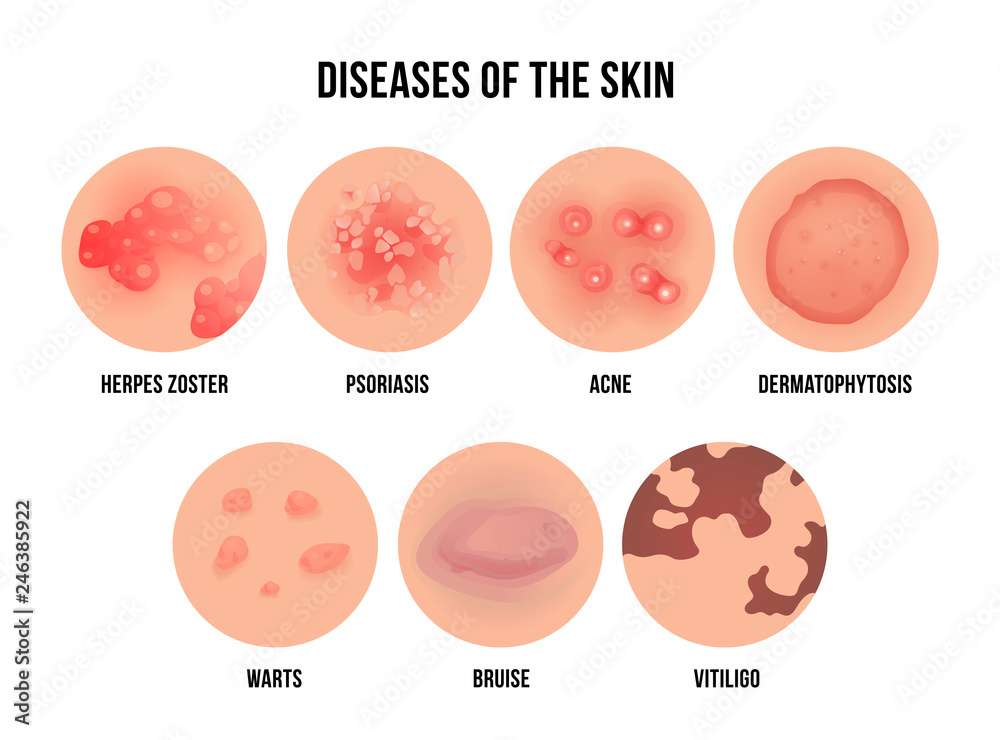
High blood pressure, or hypertension, is a common chronic condition that affects the arteries and can lead to serious health complications if left untreated. It often has no obvious symptoms but requires regular monitoring.
- Causes and symptoms: Often asymptomatic, it may be linked to obesity, stress, high salt intake, and genetics.
- Diagnosis: Blood pressure readings taken on multiple occasions using a sphygmomanometer help confirm hypertension.
- Treatment: Lifestyle changes such as dietary modification, increased physical activity, weight management, and medication adherence are crucial.
- Management: Regular check-ups to monitor blood pressure levels and adjust treatment plans accordingly.
Early identification and consistent management of hypertension significantly reduce risks of heart disease and stroke, supporting long-term well-being.