
Dr Saurav Shrivastav
About Me
Dr Saurav Shrivastav
B.P.T
Physiotherapist
10 Years Experience
Biography
My Clinic
OPD Hours
| Monday | Morning | 10:00 AM | - | 02:00 PM |
| Evening | 06:00 PM | - | 09:00 PM | |
| Tuesday | Morning | 10:00 AM | - | 02:00 PM |
| Evening | 06:00 PM | - | 09:00 PM | |
| Wednesday | Morning | 10:00 AM | - | 02:00 PM |
| Evening | 06:00 PM | - | 09:00 PM | |
| Thursday | Morning | 10:00 AM | - | 02:00 PM |
| Evening | 06:00 PM | - | 09:00 PM | |
| Friday | Morning | 10:00 AM | - | 02:00 PM |
| Evening | 06:00 PM | - | 09:00 PM | |
| Saturday | Morning | 10:00 AM | - | 02:00 PM |
| Evening | 06:00 PM | - | 09:00 PM | |
| Sunday | Morning | 10:00 AM | - | 02:00 PM |
| Evening | 06:00 PM | - | 09:00 PM |
Treatments
Specialised care and treatments offered
CERVICAL SPONDYLOSIS
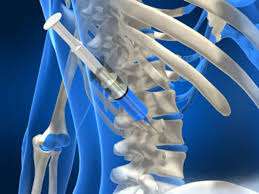
Cervical spondylosis refers to age-related changes affecting discs in your neck caused predominantly by wear-and-tear processes that occur throughout life. As this condition develops so patients frequently experience numbness extending into arms alongside neck stiffness hindering routine tasks daily!
Symptoms:-Characteristics include persistent neck pains radiating towards shoulders/arms while complaints might arise concerning headaches concurrently'Pain & Tension' accompanied alongside tingling sensations account typical presentations within diagnosis framework/pathway among medical professionals alike!(All conditions should take care together examining options available.) ();} { -Each physician recommends assessments followed by targeted therapeutic methods involving muscle strengthening protocols/stabilization routines aiming maximize alleviate discomfort whilst enhancing functional capacities throughout resumed engagements within normal life roles thereafter!}PLANTAR FASCIITIS

This common foot ailment arises due to inflammation of the plantar fascia — a thick band of tissue running along the bottom of your foot connecting your heel bone to your toes. Individuals often experience debilitating heel pain especially when taking their first steps in the morning or after long periods rest during the day.
FROZEN SHOULDER (ADHESIVE CAPSULITIS)

A frozen shoulder is characterized by stiffness and pain in the shoulder joint where movement becomes significantly limited. This condition can develop gradually over time without any clear cause.
- The primary symptoms include dull aching or sharp pains that intensify with movement as well as noticeable restriction in shoulder mobility which affects daily tasks.
- Poorly understood yet frequent triggers consist of prolonged immobility following an arm injury or conditions like diabetes that may predispose individuals to this ailment.
- A healthcare professional generally conducts a thorough physical assessment coupled with imaging studies like X-rays to rule out other possible issues before establishing a diagnosis of adhesive capsulitis.
LOWER BACK PAIN

Lower back pain is one of the most common musculoskeletal issues experienced by adults. It can range from mild discomfort to debilitating pain affecting mobility.
- The most frequent symptoms include persistent ache in the lower back region, stiffness upon waking up or sitting for prolonged periods, and sometimes radiating pain down the legs (sciatica).
- This condition may arise from various factors such as poor posture, muscle strain from lifting heavy objects incorrectly, or degenerative disc disease over time.
- A thorough evaluation typically includes a physical exam and possibly MRI scans or X-rays to pinpoint underlying causes of discomfort before starting treatment.
- Main management strategies encompass physical therapy techniques aimed at strengthening core muscles along with ergonomic adjustments at work and home life to prevent further injury.
A proactive approach involving education about body mechanics could enhance long-term outcomes for those suffering from lower back pain.
TENDINITIS

Tendinitis is an inflammation or irritation of a tendon that often results from repetitive strain or injury. This condition can significantly affect daily activities if not addressed promptly.
- Common symptoms: Pain around the affected joint or tendon area during activity, tenderness, swelling, and restricted motion may occur.
- Causes: Repetitive movements or acute injuries are typical contributors. Athletes and individuals with occupations requiring repetitive motions are at higher risk.
- Diagnosis methods: A healthcare provider can diagnose tendinitis through a detailed patient history along with a physical examination; imaging tests might also aid in ruling out other conditions.
- Treatment options: Resting the affected area, applying ice packs, non-steroidal anti-inflammatory medications (NSAIDs), stretching exercises, and guided physiotherapy are effective approaches.
- Recovery expectations: Early intervention generally leads to faster recovery times and improved function without long-term consequences.
A comprehensive rehabilitation program is vital for regaining strength and flexibility in the affected tendon.
OSTEOARTHRITIS

Osteoarthritis is a degenerative joint disease that affects millions of individuals worldwide. It commonly occurs due to wear and tear on the joints, leading to pain and stiffness.
- Symptoms: Pain during movement, stiffness after periods of inactivity, and swelling around affected joints are common signs.
- Causes: Age, obesity, injury to joints, and genetics can all contribute to the onset of osteoarthritis.
- Diagnosis: Healthcare professionals often utilize X-rays and MRI scans, alongside a physical examination to assess symptoms.
- Treatment options: Physical therapy, weight management strategies, medications for pain relief such as NSAIDs, and in severe cases, surgical interventions might be recommended.
- What to expect: Management typically focuses on alleviating symptoms and improving functionality through consistent physical therapy sessions.
With appropriate management, many individuals can lead an active lifestyle despite having osteoarthritis.