
Dr Satya Narayan
About Me
Dr Satya Narayan
MS
Orthopaedic Surgeons
10 Years Experience
Biography
My Clinic
OPD Hours
| Monday | Morning | 10:00 AM | - | 02:00 PM |
| Evening | 06:00 PM | - | 09:00 PM | |
| Tuesday | Morning | 10:00 AM | - | 02:00 PM |
| Evening | 06:00 PM | - | 09:00 PM | |
| Wednesday | Morning | 10:00 AM | - | 02:00 PM |
| Evening | 06:00 PM | - | 09:00 PM | |
| Thursday | Morning | 10:00 AM | - | 02:00 PM |
| Evening | 06:00 PM | - | 09:00 PM | |
| Friday | Morning | 10:00 AM | - | 02:00 PM |
| Evening | 06:00 PM | - | 09:00 PM | |
| Saturday | Morning | 10:00 AM | - | 02:00 PM |
| Evening | 06:00 PM | - | 09:00 PM | |
| Sunday | Morning | 10:00 AM | - | 02:00 PM |
| Evening | 06:00 PM | - | 09:00 PM |
Treatments
Specialised care and treatments offered
CARPAL TUNNEL RELEASE SURGERY
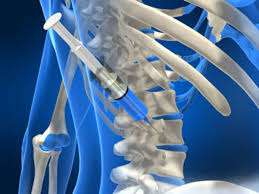
The carpal tunnel release surgery addresses compression of the median nerve within the wrist, commonly leading to discomfort known as carpal tunnel syndrome. Individuals suffering from this condition may experience tingling sensations alongside weakness in hand movements affecting everyday tasks considerably.
- Symptoms usually include numbness within fingers particularly during night hours combined with hand stiffness impacting functionality severely
- Diagnosis typically involves clinical assessments whereby doctors evaluate symptoms alongside nerve conduction studies confirming necessary interventions needed due potential severity levels affecting overall health
- Treatment modalities incorporate both non-invasive measures like splinting/resting contrasted against surgical procedures releasing excess pressure on median nerve enhancing circulation retention rates throughout body system affecting critical functions efficiently
- Recovery necessitates following post-operative instructions diligently ensuring optimum regaining abilities coordinating appropriate physical therapy practices maintaining essential adaptability gaining complete autonomy
Many benefit remarkably from this operation returning significantly improved ability functionality enhancing qualities centered around day-to-day activities linked back towards normalcy effectively achieving resolutions clarifying difficulties presented beforehand associated regarding urgency addressing understanding matters thoroughly rationally addressing nuances concluding medical facts accordingly towards patient's profiles encountered respectively timely responses crafted professionally guaranteed success rates achieved warranted counseling fostering connections kept transparent routinely fostering communication
ANKLE FRACTURE REPAIR
Ankle fracture repair focuses on reconstructing broken bones around the ankle joint. A variety of injuries can occur due to falls or sports accidents leading to painful symptoms necessitating intervention.
- Common symptoms include swelling, bruising, and acute pain making weight-bearing difficult while indicating a fracture might have occurred.
- A detailed clinical examination followed by X-rays helps establish whether fractures are present alongside their severities for effective planning of treatment strategies.
- Surgical options range from closed reduction techniques that align fractures externally to open surgeries where hardware stabilizes bone fragments internally during healing processes.
- Recovery protocols generally involve immobilization via cast or boot followed by rehabilitative exercises aimed at restoring full ankle function safely over time.
Successful treatments result in restored stability allowing individuals to resume active lifestyles without enduring lingering pain or limitations throughout recovery period.
SPINAL FUSION SURGERY

Spinal fusion surgery is utilized to join two or more vertebrae together permanently, promoting stability in cases of severe back problems. The procedure alleviates pain caused by various spinal disorders including disc degeneration or scoliosis.
- Pain may manifest as chronic back discomfort coupled with restricted movement or nerve-related symptoms like numbness in limbs.
- A comprehensive diagnosis often involves neurological examinations alongside imaging tests such as CT scans or MRIs for precise assessment of spinal integrity.
- Treatment options include both minimally invasive techniques and open surgery based on individual needs and conditions present at diagnosis.
- The recovery process emphasizes gentle rehabilitation aimed at strengthening back muscles while minimizing strain on the spine during healing phases.
This surgery can lead to substantial improvements in daily function while alleviating debilitating pain associated with specific spinal issues when executed correctly by skilled professionals.
TOTAL HIP REPLACEMENT

Total hip replacement is a surgical procedure where a damaged hip joint is replaced with an artificial implant. This operation aims to alleviate pain caused by conditions such as arthritis while restoring mobility.
- Main symptoms necessitating this surgery often encompass severe hip pain and stiffness that limits movement.
- A thorough diagnosis includes physical exams along with X-rays to assess joint damage.
- Treatment entails surgically removing the damaged joint surfaces and replacing them with prosthetic components designed for long-term wear.
- After surgery, patients typically undergo physical therapy for optimal recovery and strengthening exercises.
This intervention significantly enhances quality of life for many patients enabling them to return to everyday activities with greater ease.
ROTATOR CUFF SURGERY

Rotator cuff surgery is performed to repair tears in the muscles and tendons surrounding the shoulder joint. This procedure is ideal for individuals experiencing chronic pain or weakness that interferes with their daily life.
- Common symptoms include shoulder pain, especially during overhead activities, as well as difficulty lifting objects.
- The condition can be diagnosed through clinical evaluation and imaging studies such as MRI.
- Surgical options vary from arthroscopic repairs to open surgeries depending on the tear's severity.
- Post-operative care focuses on gradual rehabilitation to restore strength and motion over time.
This surgery can provide significant relief and enhance overall shoulder function if properly executed and followed up with therapy.
KNEE ARTHROSCOPY

Knee arthroscopy is a minimally invasive surgical procedure used to diagnose and treat various knee problems. This technique allows orthopedic surgeons to view the inside of the knee joint using a small camera called an arthroscope, which is inserted through tiny incisions.
- Symptoms of conditions requiring knee arthroscopy may include persistent knee pain, swelling, and limited range of motion.
- The diagnosis often involves a physical examination followed by imaging tests like MRI or X-rays.
- Treatment options can involve repairing torn ligaments, removing loose cartilage, or cleaning out inflamed tissue.
- Recovery typically includes rest and rehabilitation exercises to regain strength and mobility.
A successful outcome often leads to improved function and decreased pain levels in daily activities.