
Dr Satish Savant
About Me
Dr Satish Savant
Dermatologist
Biography
My Clinic
OPD Hours
| Tuesday | Morning | 10:00 AM | - | 02:00 PM |
| Evening | 06:00 PM | - | 09:00 PM | |
| Wednesday | Morning | 10:00 AM | - | 02:00 PM |
| Evening | 06:00 PM | - | 09:00 PM | |
| Thursday | Morning | 10:00 AM | - | 02:00 PM |
| Evening | 06:00 PM | - | 09:00 PM | |
| Friday | Morning | 10:00 AM | - | 02:00 PM |
| Evening | 06:00 PM | - | 09:00 PM | |
| Saturday | Morning | 10:00 AM | - | 02:00 PM |
| Evening | 06:00 PM | - | 09:00 PM | |
| Sunday | Morning | 10:00 AM | - | 02:00 PM |
| Evening | 06:00 PM | - | 09:00 PM | |
| Thursday | Morning | 10:00 AM | - | 02:00 PM |
| Evening | 06:00 PM | - | 09:00 PM |
Treatments
Specialised care and treatments offered
AGING SKIN
The aging process naturally leads to changes in our skin's appearance including wrinkles sagging & loss of elasticity primarily driven by intrinsic factors alongside environmental exposures. Understanding these changes helps manage expectations effectively!
- Symptoms comprise fine lines deeper creases drying out enhancing vascularity & sun-induced pigmentation issues arising too!
- A specialist evaluates signs during consultations suggesting suitable interventions best tailored according individual's needs determined after initial assessments conducted diligently throughout consultations undertaken regularly ahead!
- Comprehensive outlines suggesting preventive measures encouraging hydration regular use moisturizers adopting sun protective habits alongside antioxidant intake also form key elements maintaining youthful-looking skins longer term!
Implementing these suggestions gradually reveals significant improvements restoring confidence appreciating natural beauty radiantly!
HYPERPIGMENTATION
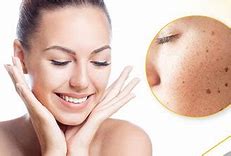
Hyperpigmentation refers to darkened areas of skin due to excess melanin production triggered by sun exposure or inflammation. Various forms exist including melasma and post-inflammatory hyperpigmentation following injury or acne lesions respectively.
- Main symptoms entail uneven skin tone prominently seen on sun-exposed areas like cheeks forehead neck & back of hands while affecting people across multiple ethnicities too!
- A dermatologist can accurately diagnose hyperpigmentation via visual inspection assessing patients’ skincare history—often ruling out underlying medical issues first before proceeding further!
- Treatment modalities usually consist of topical agents such as hydroquinone vitamin C derivatives & retinoids along with chemical peels laser therapies available currently!
- Adopting sun protection measures becomes crucial during this treatment phase since excessive UV exposure exacerbates existing spots!
Coordinated efforts between patients & professionals enhance overall effectiveness thus ensuring restoration towards an even complexion noticeably improves self-esteem levels greatly!
ROSACEA
Rosacea is a chronic facial skin condition marked by flushing and persistent redness primarily affecting the central face. While its precise cause is unknown, it tends to occur in middle-aged individuals more frequently than others.
- The symptoms can range from facial redness to visible blood vessels along with small red bumps resembling acne lesions without pus formation.
- Dermatologists usually diagnose rosacea through clinical observation; sometimes additional tests exclude other conditions before confirming it.
- Treatment options often encompass topical medications like metronidazole or azelaic acid along with oral antibiotics for severe presentations when necessary.
- Avoidance of known triggers such as certain foods or extreme temperatures can help mitigate symptom flare-ups as well.
An informed understanding about rosacea enables better management through personalized care plans aimed at minimizing its impact on daily life activities!
PSORIASIS
Psoriasis is an autoimmune condition that leads to rapid skin cell turnover resulting in scaly patches primarily on elbows, knees, scalp, and lower back. The exact cause remains unclear but it involves immune system dysfunction.
- Symptoms typically include red patches covered with thick silvery scales accompanied by itching or burning sensations.
- A diagnosis can be confirmed through clinical evaluation by examining the characteristics of the plaques present on the body.
- Treatment often includes topical therapies like corticosteroids or vitamin D analogs as well as phototherapy options for more severe cases.
- Lifestyle modifications such as stress management techniques may also contribute positively towards minimizing flare-ups and improving overall wellbeing.
- Patients may find considerable relief with consistent management routines tailored specifically by their healthcare provider.
Regular follow-up consultations are key in controlling psoriasis effectively over time while educating patients about their condition further empowers them in their treatment journey.
ECZEMA
Eczema is a chronic inflammatory skin condition characterized by dry, itchy patches of skin. It can significantly affect quality of life and may flare up due to various triggers.
- The main symptoms include intense itching, redness, and dryness which can lead to secondary infections if scratched.
- A dermatologist will diagnose eczema based on a detailed examination of the affected areas and may conduct patch testing for allergens.
- Treatment options involve moisturizing creams, topical steroids, and in some cases, antihistamines for itch relief.
- Avoiding known triggers like certain soaps or environmental factors plays an essential role in managing outbreaks effectively.
- With proper management strategies in place, individuals often find their condition greatly improves over time.
Coping with eczema requires both lifestyle adaptations and possibly ongoing dermatological support to maintain healthy skin.
ACNE VULGARIS
Acne vulgaris is a common skin condition that primarily affects adolescents and young adults but can occur at any age. It arises from the overproduction of oil in the skin and clogged hair follicles.
- Symptoms may include inflamed blemishes, whiteheads, blackheads, and sometimes painful cysts on the face, back, and shoulders.
- This condition is diagnosed through a physical examination and an assessment of the patient's medical history.
- Treatment often involves topical retinoids, benzoyl peroxide, antibiotics, or hormonal therapy to help manage symptoms.
- Additionally, lifestyle changes such as proper skincare routines and dietary adjustments can significantly improve skin health.
- Patients should expect gradual improvements over weeks to months with consistent treatment adherence.
Understanding acne vulgaris is crucial for effective management; it’s advisable to consult a dermatologist for personalized care plans tailored to individual needs.