
Dr Satendra Chauhan
About Me
Dr Satendra Chauhan
B.P.T
Physiotherapist
10 Years Experience
Biography
My Clinic
OPD Hours
| Monday | Morning | 10:00 AM | - | 02:00 PM |
| Evening | 06:00 PM | - | 09:00 PM | |
| Tuesday | Morning | 10:00 AM | - | 02:00 PM |
| Evening | 06:00 PM | - | 09:00 PM | |
| Wednesday | Morning | 10:00 AM | - | 02:00 PM |
| Evening | 06:00 PM | - | 09:00 PM | |
| Thursday | Morning | 10:00 AM | - | 02:00 PM |
| Evening | 06:00 PM | - | 09:00 PM | |
| Friday | Morning | 10:00 AM | - | 02:00 PM |
| Evening | 06:00 PM | - | 09:00 PM | |
| Saturday | Morning | 10:00 AM | - | 02:00 PM |
| Evening | 06:00 PM | - | 09:00 PM | |
| Sunday | Morning | 10:00 AM | - | 02:00 PM |
| Evening | 06:00 PM | - | 09:00 PM |
Treatments
Specialised care and treatments offered
SPORTS INJURY REHABILITATION
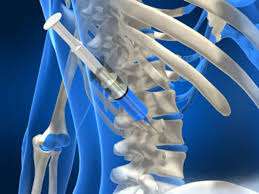
A wide array of injuries can occur during sports activities due to both contact-related incidents as well as non-contact scenarios requiring prompt attention for optimal healing possibilities. Early recognition contributes significantly toward recovery success rates!
- The most frequent injuries, often classified into strains/sprains among other musculoskeletal issues appear immediately following injury events impacting performance capacities among athletes directly involved!
- Diagnosis relies heavily upon detailed histories thoroughly discussing incident context along physical exams verifying ranges available determining specifics surrounding each case type presented ideally suited tailored treatments matching needs accordingly!
- Physiotherapy principles play vital roles integrating therapeutic exercises geared towards enhancing stability/strength enabling safer return-to-play propositions realized sooner/faster under adequate supervision always prioritizing safety first throughout supervised training environments ensuring prevention future risks remain key focus areas highlighted regularly throughout entire process involved!
- Additional components including nutrition guidelines help inform balanced diets crucially aiding overall wellness support systemic functionalities improve athletic performances maximized too beneficially impacting returns realized later stages!
Targeted rehabilitative approaches cultivate resilience allowing athletes recover efficiently after injuries returning confidently inspired powerful form/determination moving forward effectively exercised too!
POST-SURGICAL REHABILITATION

Post-surgical rehabilitation plays a fundamental role in recovery following various surgical procedures involving musculoskeletal structures. Tailoring these programs correctly ensures optimal healing outcomes for patients during their recovery journey.
- Pain management directly relates to how well surgery was performed but common post-operative symptoms may still include swelling, tenderness around incision sites, and restricted movements depending upon surgical nature involved—whether orthopedic or soft tissue oriented!
- Doctors will conduct thorough assessments alongside recovery goals identified through examination alongside any imaging necessary post-operation completion before treatment initiation commences.
- Therapy modalities encompass structured exercise plans designed focusing initially on gentle mobility before progressing towards more challenging strengthening strategies as recovery advances towards target milestones assessed regularly!
- Collaboration among healthcare providers remains essential; physiotherapists liaise closely regarding modifications needed throughout recovery phases ensuring safety focused around achieving results expected effectively!
- Emphasis shifts not only restoring pre-operative functioning but preparing patients mentally emotionally facing challenges ahead reintegrating into usual routines/outdoors once complete/full recovery achieved too!
A robust rehabilitative approach fosters improved outcomes after any surgical intervention helping individuals regain independence effectively!
OSTEOARTHRITIS MANAGEMENT

This degenerative joint disease affects millions globally, characterized by wear-and-tear damage primarily in weight-bearing joints. Understanding its implications is critical for effective management strategies.
- The primary symptoms include joint stiffness after periods of inactivity, swelling, decreased range of motion, and localized pain during movement or activity.
- Diagnostic processes typically involve clinical evaluations along with X-rays showing narrowing joint spaces or bone spurs indicative of osteoarthritis progression.
- Treatment focuses on restoring mobility through individualized exercise plans supplemented by modalities like heat/cold therapies aimed at reducing discomfort.
- Medication options might also be explored based upon severity levels ranging from anti-inflammatories to more advanced interventions such as injections targeting affected joints.
- The outcome aims for enhanced movement capacity while improving overall life quality affected by ongoing joint pains arising from osteoarthritis challenges.
A comprehensive rehabilitation framework allows long-term maintenance of functionality despite living with osteoarthritis symptoms effectively.
TENNIS ELBOW (LATERAL EPICONDYLITIS)

Tennis elbow is an overuse injury characterized by inflammation of the tendons that attach to the outer elbow. It can result from repetitive motion or strain on forearm muscles during activities.
- The most common symptoms include persistent pain around the elbow that radiates down the forearm, especially when gripping objects or raising your hand.
- A comprehensive diagnosis includes a medical history review along with physical examinations assessing tenderness and range of motion in the elbow joint.
- Treatment usually involves a combination of rest, icing the affected area, stretching exercises, and possibly braces that alleviate pressure on the elbow's tendons.
- Corticosteroid injections might be considered if conservative methods do not yield sufficient relief within a specific timeframe.
- The goal is ultimately to restore function while preventing further injury for those engaged in repetitive activities requiring elbow use.
A well-structured rehabilitation plan can significantly alleviate symptoms associated with tennis elbow over time.
SHOULDER IMPINGEMENT SYNDROME

This syndrome occurs when shoulder tendons are repeatedly pinched during arm movements, leading to inflammation and pain. It's crucial to recognize the signs early for effective treatment.
- Common symptoms include shoulder pain that worsens with overhead activities, weakness, and stiffness in the joint.
- Diagnosis often involves physical assessments along with imaging tests such as ultrasound or MRI to evaluate tendon status.
- Treatment strategies focus on reducing inflammation, improving flexibility through targeted exercises, and manual therapy techniques.
- Pain management might also include over-the-counter medications or prescribed anti-inflammatories depending on severity.
- Your rehabilitation plan will be tailored specifically to help restore full function while minimizing recurring episodes of impingement.
A proactive approach assists in regaining strength and preventing future injuries associated with shoulder impingement syndrome.
CHRONIC BACK PAIN

Chronic back pain is a prevalent issue affecting individuals of all ages and can stem from various causes such as lifestyle choices, accidents, or underlying health conditions. Understanding this condition is the first step towards effective management.
- Symptoms often include persistent discomfort, stiffness, and limited mobility, which can significantly impact daily activities.
- The diagnosis typically involves a thorough physical examination and may include imaging studies like X-rays or MRIs to identify potential causes.
- Treatment options range from physical therapy, which helps strengthen the muscles supporting the spine, to medications and lifestyle modifications aimed at reducing pain.
- Management may also include ergonomic assessments to improve posture and activity modification tailored to individual needs.
- Patients can expect a personalized plan focusing on gradual restoration of movement and pain reduction through consistent therapy sessions.
A comprehensive approach can lead to significant improvement in quality of life for those suffering from chronic back pain.